Early stem staking
Install thin, stable stakes and soft ties while the plant is still young to keep upright stems from bending or snapping as they elongate and become top-heavy.

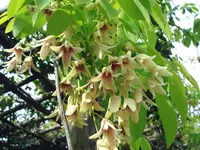
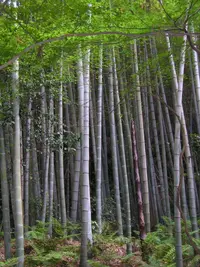
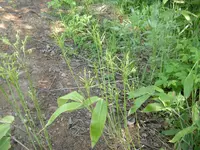
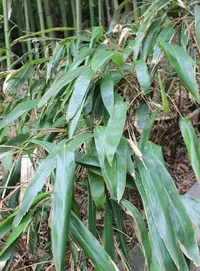
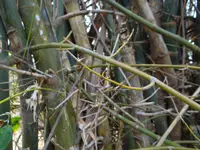
Hexaphylla hirsuta is a lesser-known herbaceous plant, typically forming low, leafy clumps with distinctly hairy foliage. Its name refers to the many-parted, bristly leaves that give it a textured look.
This species is usually found in naturally cool, temperate habitats, often in lightly shaded woodland or scrubby areas with well-drained soil. It is generally modest in size and not grown for showy flowers, but for its foliage and quiet, naturalistic appearance.
Gardeners tend to find it moderately easy if its basic needs are met. Consistent moisture, protection from harsh sun, and reasonably fertile soil are the main points when learning how to care for Hexaphylla hirsuta.

Care Difficulty
Moderate Care

Light Preference
Partial Shade

Water Requirements
Moderate Water

Temperature Preference
Warm Climate

Hardiness Zone
Unknown

Soil Texture
Loamy

Soil pH
Slightly acidic (6.5–7.0)

Soil Drainage
Well-drained

Fertilization
Minimal (feed rarely)
Scan your plant to receive care tips personalized for your specific plant
Available on iOS and Android
This species prefers bright conditions with some protection from harsh midday rays.
Watering should aim for steady moisture without prolonged saturation.
Stable, moderate temperatures support healthy growth and flowering.
This species prefers moderate ambient humidity and reacts if air stays very dry for long periods.
Provide loose, well-drained, moderately fertile soil to support stable growth and root health.
This species can be grown successfully in containers if the pot is chosen to support root depth and prevent waterlogging.
This species generally manages with modest nutrients, but light feeding can support steady growth in cultivation.
Pruning is mainly used to maintain structure and remove unhealthy tissue rather than to control size strongly.
This plant is usually grown in the ground, so focus on careful transplanting rather than frequent repotting.
Propagation is feasible for patient growers using either seed or vegetative methods, depending on material available.
This species is generally cold hardy in temperate climates and usually needs only modest winter care outdoors.

Plant Health Check
Not sure what's wrong with your plant? Check your plant's health inside the app.
The species has a dense covering of fine hairs on its leaves, which reduces water loss by slowing air movement over the surface and can also protect tissues from intense sunlight.
H. hirsuta is typically associated with specific microhabitats in its native range, favoring stable environmental conditions where its hairy foliage gives a competitive advantage against desiccation and temperature swings.
This species can be grown indoors if it receives strong light, good air movement, and a fast-draining substrate. Provide a stable environment and avoid crowded, dark corners for successful Hexaphylla hirsuta indoor care.
Keep your plants happy and healthy with plant identification, disease detection, and easy care guidance.