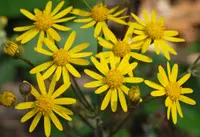
comfortroot Care (Hibiscus aculeatus)

Also known as: hibiscus, crimson-eyed rosemallow, marshmallow hibiscus, swamp rosemallow, mallow rose, Pineland Hibiscus
comfortroot

About comfortroot

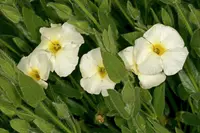
Comfortroot, Hibiscus aculeatus, is a perennial hibiscus native to the coastal plains of the southeastern United States. It typically grows as a small, shrubby plant with branching stems and pale yellow flowers marked by a dark center.

This species often occurs in sandy woods, pine barrens, and open, well-drained sites. Its deep root system helps it tolerate drought and poor soils, which makes it relatively forgiving once established.

Light, moderately moist but well-drained soil, and good air circulation support healthy growth. Understanding these preferences makes it easier to care for comfortroot in home landscapes or naturalistic plantings.

Main Plant Requirements

Care Difficulty

Moderate Care

Light Preference

Full Sun

Water Requirements

Moderate Water

Temperature Preference

Warm Climate

Hardiness Zone

8–11

Soil Texture

Sandy, Loamy, Organic-rich

Soil pH

Acidic (5.5–6.5), Slightly acidic (6.5–7.0)

Soil Drainage

Moist but well-drained

Fertilization

Minimal (feed rarely)

Get Personalized Care Plan

Scan your plant to receive care tips personalized for your specific plant

Available on iOS and Android

How to Care for the comfortroot

Hibiscus aculeatus grows best in bright, direct sun but tolerates some light shade in hot climates.

  • Provide 6–8 hours of direct sun daily, ideally with strong morning sun and some light afternoon shade in very hot regions.
  • Allow partial shade (3–4 hours sun) in areas with intense summer heat to reduce leaf scorch, especially for young comfortroot plants.
  • In cooler seasons, maximize open exposure by avoiding heavy tree shade or north-facing spots to maintain flowering and compact growth.

Hibiscus aculeatus prefers consistently moist but not saturated soil, with brief drying at the surface between waterings.

  • Water when the top 2–3 cm of soil feels dry, applying enough to moisten the root zone, then let excess drain away fully.
  • Reduce frequency in cool or rainy seasons and increase during hot, windy weather, using soil feel rather than a fixed schedule.
  • Watch for yellowing, soft leaves and sour smell as signs of overwatering, and dull, drooping leaves and dry, hard soil as signs of underwatering in Hibiscus aculeatus.

This species thrives in warm, frost-free conditions and struggles with prolonged cold or freezing temperatures.

  • Aim for active growth in 70–85°F (21–29°C), where flowering and leaf production remain strong and consistent.
  • Protect plants when temperatures approach 32°F (0°C), since light frost can damage foliage and harder freezes may kill stems or roots.
  • In hot summers above 95°F (35°C), provide mulch and occasional afternoon shade to limit heat stress and reduce moisture loss from the soil.

Humidity moderately influences comfortroot performance, but it stays adaptable in most homes.

  • Aim for 40–60% humidity for steady growth and better flowering.
  • Plant tolerates short dry-air spells, but sustained <35% humidity may crisp leaf edges and distort new buds.
  • Increase humidity by grouping plants, placing the pot near (not on) a pebble tray with water, or running a small humidifier nearby.

Hibiscus aculeatus prefers loose, well-drained, slightly acidic to neutral soil that does not stay waterlogged.

  • Use a sandy loam with 30–50% mineral sand plus organic matter such as compost or leaf mold for structure and nutrients.
  • Ensure rapid drainage by blending coarse sand or fine grit with pine bark fines to keep pores open around the roots.
  • Target pH 6.0–7.0; amend alkaline mixes with peat or pine bark and avoid heavy lime applications.
  • Avoid compacted clay or peat-heavy mixes that stay wet, instead lighten them with perlite and coarse bark to improve aeration.

This species adapts well to container growing when given a stable, well-drained setup.

  • Choose a pot at least 30 cm deep so the taproot and lateral roots can extend without circling tightly.
  • Select a heavier clay or ceramic container outdoors to prevent wind from tipping over the tall, woody stems.
  • Use a potting mix that drains quickly, then elevate the container slightly so drainage holes never sit in collected runoff water.

Hibiscus aculeatus benefits from light, targeted feeding when grown in garden beds or containers, especially in poor soils.

  • Use a balanced NPK fertilizer (such as 10-10-10) or well-rotted compost for comfortroot in spring as growth starts.
  • Apply fertilizer every 4–6 weeks during the warm growing season, skipping feeds during very hot, dry spells.
  • Dilute liquid fertilizer to 1/2–1/4 strength to avoid salt buildup and leaf burn, especially in containers.
  • Stop feeding in late summer and do not fertilize in winter to allow natural dormancy and sturdy wood development.

Pruning Hibiscus aculeatus helps maintain a compact shape and encourage flowering wood.

  • Carry out main pruning in late winter or very early spring before new growth starts.
  • Remove dead, diseased, storm-damaged, or crossing branches back to healthy wood using sharp, clean bypass pruners.
  • Thin crowded interior stems to improve light and airflow, which supports better bud formation and reduces fungal problems.
  • Shorten overly long shoots by up to 1/3 of their length to control size and stimulate vigorous new flowering growth.

This species is usually grown in the ground, so care focuses more on transplanting young plants than on frequent repotting.

  • Transplant in late winter to early spring while the plant is still dormant and soil is workable.
  • Look for roots circling the pot, water running straight through, or stalled top growth as signs a container plant needs a larger pot.
  • Shift to a container only 1–2 in wider with free-draining, slightly acidic soil, handling the root ball gently to limit disturbance.
  • Water thoroughly after planting, keep soil evenly moist (not saturated) for 2–3 weeks, and provide light shade to reduce transplant shock.

Hibiscus aculeatus is commonly propagated from semi-hardwood cuttings or seeds for landscape use.

  • Take 8–12 in semi-hardwood stem cuttings in late spring to mid-summer, including several leaf nodes.
  • Insert cuttings in a sterile, well-draining mix, use rooting hormone, and keep humidity high with bright, indirect light.
  • Sow fresh seeds in spring in a warm (70–80°F), lightly covered seedbed or trays, using moist but not soggy medium.
  • Ventilate propagating containers daily to limit fungal issues and transplant rooted material gently once a firm root system forms.

This species is moderately cold hardy in its native range and needs only light winter care in mild climates.

  • In regions with frost, add a 5–8 cm layer of mulch around the root zone in late fall, keeping it off the stems.
  • Avoid heavy pruning in autumn so stems can lignify, which improves tolerance to occasional freezes.
  • Move container-grown plants indoors or into an unheated, bright shelter whenever temperatures threaten to drop below about 25°F.

Care Tips

Wind-resistant staking

Install a low, sturdy stake and tie stems loosely with soft ties in windy sites so the plant does not rock at the base, which reduces root damage and flower drop.


Sand mulch ring

Apply a 2–3 cm ring of coarse sand or fine gravel directly around the crown to keep the stem base drier and less attractive to slugs, snails, and fungal pathogens.

Targeted deadheading

Remove spent blooms by cutting just above a healthy leaf node rather than snapping them off, which encourages new flowering shoots and reduces entry points for disease.

Seasonal cutback timing

Plan any harder structural cutback for late winter after the coldest weather has passed, which protects regrowth buds yet allows time for strong new shoots before summer flowering.

Edge-of-bed placement

Position plants toward the sunny edge of mixed borders so they receive airflow from at least 2 sides, which helps foliage dry quickly and supports healthier, more compact growth when growing comfortroot.

Common Pests and Diseases

Hibiscus sawfly

This pest targets hibiscus foliage, with larvae skeletonizing leaves so that only the veins remain. Symptoms include ragged, translucent leaf tissue and rapid defoliation, especially on younger growth.

Solution

Hand-pick and crush larvae from leaf undersides, and prune off heavily infested leaves to slow the population. For continued activity, spray foliage thoroughly with a labeled insecticidal soap or spinosad product in the evening, repeating every 5–7 days until new damage stops.

Hibiscus aphids

These insects cluster on tender stems, buds, and leaf undersides, sucking plant sap and causing curling, distortion, and sticky honeydew deposits that can attract sooty mold. Infestations are often heaviest on new growth and flower buds, which may fail to open or drop prematurely.

Solution

Rinse colonies off with a strong stream of water, focusing on shoot tips and leaf undersides. If populations persist, apply insecticidal soap or a light horticultural oil, ensuring full coverage and repeating at 5–7 day intervals while monitoring beneficial insects like lady beetles.

Spider mites

This pest thrives in hot, dry conditions, causing stippled, pale leaves and fine webbing along leaf undersides and between stems. Symptoms include dull, yellowed foliage that may drop early if populations are not reduced.

Solution

Increase humidity around the plant and hose down foliage, especially undersides, to physically remove mites. For ongoing outbreaks, use insecticidal soap or a low-rate horticultural oil, applied in the evening and repeated several times to cover newly hatched mites.

Leaf spot

This disease causes small, circular to irregular brown or tan lesions on leaves, sometimes with darker margins and yellow halos. Symptoms include premature leaf drop when many spots coalesce, especially during warm, humid weather or in dense plantings.

Solution

Remove and discard affected leaves on and under the plant, and avoid overhead watering to keep foliage dry. Improve spacing and airflow, and if the problem recurs severely, use a labeled copper or chlorothalonil fungicide as a protective spray during extended wet periods, following all label directions.

Powdery mildew

This disease appears as a white, powdery coating on upper leaf surfaces, stems, and sometimes buds, leading to distorted growth and reduced vigor. Symptoms include dull, grayish leaves that may yellow and drop if infection is heavy.

Solution

Improve air movement and sun exposure, and avoid crowding plants to lower humidity around foliage. Remove the most affected leaves, then apply a labeled sulfur, potassium bicarbonate, or horticultural oil product at the first sign of mildew, repeating as directed to protect new growth and support consistent Hibiscus aculeatus plant care.

Interesting Facts

Native coastal specialist

This species is naturally restricted to sandy, well-drained habitats of the southeastern US Coastal Plain, such as dunes, scrub, and open pine woods, where it tolerates salt spray and shifting substrates better than many other hibiscus species.

Color-shifting blossoms

The flowers typically open a pale yellow with a dark maroon center in the morning and often deepen toward orange or pinkish tones as the day progresses, a pattern linked to pigment changes and flower aging.

Short-lived daily flowers

Individual blooms usually last only a single day, opening in the morning and fading or dropping by evening, yet the plant produces many buds so flowering can continue for weeks in suitable conditions.

Botan icon

Did you know?

Hibiscus aculeatus is considered uncommon or of conservation concern in parts of its native US range, because its specialized coastal and sandy habitats have been reduced and fragmented by development and land-use change.

FAQs about comfortroot

Poor flowering usually comes from insufficient light, low phosphorus, or heavy pruning at the wrong time. Old, woody stems can also reduce buds. Check soil fertility, avoid high-nitrogen fertilizers, and prune lightly right after the main bloom period.

Grow Healthy Plants with Botan Care

Keep your plants happy and healthy with plant identification, disease detection, and easy care guidance.

Botan plant care app — identify plants on mobile

Explore More Plants