Support Heavy Scapes
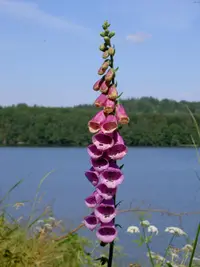
Stake tall flowering stalks with a thin bamboo cane and soft ties as buds swell, positioning the support on the side away from the main light source to prevent leaning and snapping.

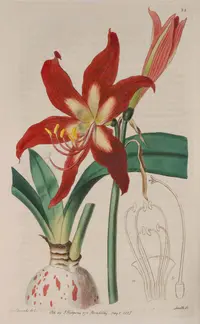
The striped Barbados lily, Hippeastrum striatum, is a bulb-forming flowering plant known for its upright stems and trumpet-shaped blooms with greenish centers and red-striped petals. It typically produces a small cluster of glossy, strap-like leaves around the base.
This species is native to parts of South America and is often grown as an ornamental houseplant or in mild outdoor climates. It is usually considered moderately easy to grow if its bulb is kept well-drained and not waterlogged.
It prefers bright light, stable warmth, and loose, airy soil, which helps owners understand how to care for striped Barbados lily in home conditions.

Care Difficulty
Moderate Care

Light Preference
Partial Sun

Water Requirements
Moderate Water

Temperature Preference
Tropical / Frost Sensitive

Hardiness Zone
9–11

Soil Texture
Sandy, Loamy, Organic-rich

Soil pH
Acidic (5.5–6.5), Slightly acidic (6.5–7.0)

Soil Drainage
Well-drained

Fertilization
Light (every 4–6 weeks)
Scan your plant to receive care tips personalized for your specific plant
Available on iOS and Android
This species prefers bright conditions that balance strong light with protection from harsh exposure.
Watering should support a firm, healthy bulb without leaving the roots in soggy soil.
Stable, warm conditions support strong growth and flowering in this bulb.
This species handles typical indoor humidity well but benefits from slightly moist air during active growth.
This bulb prefers a loose, airy, sharply draining mix that does not stay wet around the roots.
This species is very suitable for container growing when the pot is sized and drained correctly.
Hippeastrum striatum benefits from moderate feeding during active growth but needs a rest in dormancy.
Pruning Hippeastrum striatum focuses on maintaining bulb strength and clean growth rather than shaping.
Repotting or transplanting this bulb is infrequent and should be timed around its growth cycle.
Hippeastrum striatum is commonly propagated by bulb division and sometimes from seed for breeders or collectors.
This tender bulb needs careful winter management in regions with freezing conditions.

Plant Health Check
Not sure what's wrong with your plant? Check your plant's health inside the app.
The flowers have longitudinal red stripes on a paler background, a stable trait used by botanists to distinguish this species from many similar Hippeastrum hybrids.
This species is native to Brazil, where it often grows on rocky slopes and disturbed sites rather than in deep forest, which explains its tolerance of bright light and relatively dry resting periods.
The plant forms clusters of bulbs by producing offsets around the main bulb, a natural clonal strategy that lets it slowly spread and form loose colonies in suitable habitats.

In some regions outside its native range, this species has escaped cultivation and naturalized along roadsides and urban edges, showing a strong ability to establish in human-altered landscapes without intensive care.
Lack of blooms usually comes from insufficient light, cramped bulbs, or skipping a dry rest after flowering. Provide bright conditions, avoid overwatering, feed lightly in active growth, and ensure bulbs experience a cooler, drier rest period.
Keep your plants happy and healthy with plant identification, disease detection, and easy care guidance.