Star Hyacinth Care (Scilla amoena)

About Star Hyacinth

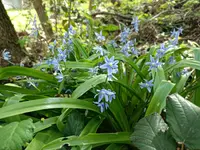
Star hyacinth, Scilla amoena, is a small bulb-forming perennial grown mainly for its early spring flowers. It typically produces low tufts of narrow leaves and short stems topped with loose clusters of soft blue, star-shaped blooms.

This species is native to parts of Europe and western Asia, where it naturalizes in open woods, meadows, and grassy slopes. In gardens it often spreads gently by bulb offsets and seed, forming informal drifts over time.

It is generally considered easy to grow, as long as the soil drains well and does not stay waterlogged. Light shade to sun and moderate moisture help simplify how to care for Star Hyacinth.

Main Plant Requirements

Care Difficulty

Easy Care

Light Preference

Partial Sun

Water Requirements

Moderate Water

Temperature Preference

Cold Hardy

Hardiness Zone

4–8

Soil Texture

Sandy, Loamy, Organic-rich

Soil pH

Acidic (5.5–6.5), Slightly acidic (6.5–7.0)

Soil Drainage

Well-drained

Fertilization

Minimal (feed rarely)

Get Personalized Care Plan

Scan your plant to receive care tips personalized for your specific plant

Available on iOS and Android

How to Care for the Star Hyacinth

This bulb thrives in cool, bright conditions with a balance of sun and light shade.

  • Provide 4–6 hours of sun daily, ideally with morning sun and light afternoon shade, especially in warmer regions.
  • Plant in a spot with dappled or filtered light under deciduous shrubs or trees so spring growth receives sun before full leaf-out.
  • Avoid deep shade, which reduces flowering, and intense all-day summer sun that can scorch foliage and shorten the blooming period of Star Hyacinth.

This spring bulb prefers evenly moist but not saturated soil during active growth.

  • In spring, water when the top 2–4 cm of soil feel dry, aiming for consistently moist soil while leaves are green and flowering.
  • Ensure sharply draining soil; add grit or sand if water lingers in the planting area to reduce bulb rot risk from overwatering.
  • Reduce watering sharply once foliage yellows and dies back; dry soil at this stage supports dormancy and prevents soft, mushy bulbs in Scilla amoena.

This hardy bulb tolerates cold winters and cool springs, with brief protection needed only from extremes.

  • Optimal growth occurs in cool spring temperatures around 45–60°F (7–16°C), with flowering best in stable, frost-free periods.
  • Bulbs survive winter soil temperatures down to about 0°F (−18°C) in well-drained ground, provided they experience a cold dormancy period.
  • During summer dormancy, plants tolerate 75–90°F (24–32°C) if soil remains relatively dry; sustained heat above 90°F (32°C) with wet soil increases rot risk.

Scilla amoena grows well in typical indoor humidity if extremes are avoided.

  • Aim for 40–60% humidity, similar to most heated homes, as higher levels are unnecessary for Star Hyacinth.
  • Dry air is usually tolerated, but prolonged very low humidity can cause leaf tips to brown and flowers to fade faster.
  • Increase humidity slightly by grouping pots together or placing the container on a pebble tray with water kept below the pot base.

Scilla amoena prefers loose, well-drained, moderately fertile soil that never stays waterlogged.

  • Use a mix of 50–60% loam-based or all-purpose potting soil with 20–30% coarse sand and 10–20% fine gravel or perlite for drainage.
  • Aim for slightly acidic to neutral pH around 6.0–7.0, which supports nutrient uptake and healthy bulb growth.
  • In heavy or compact garden soil, incorporate at least 5–8 cm of compost plus grit to improve aeration and prevent bulb rot.
  • Avoid dense clay, peat-heavy mixes that stay wet, or any site where water pools after rain, since bulbs are highly prone to rot.

This species is well suited to container growing for patio, balcony, or doorstep displays.

  • Choose a pot at least 12–15 cm deep so bulbs can sit with 5–8 cm of mix below them and still have room for roots.
  • Select a sturdy, heavier pot material, such as terracotta or ceramic, to keep the container stable as flower stems elongate.
  • Raise the pot slightly on feet or bricks so drainage holes stay clear and excess water exits quickly after rain or watering.

Scilla amoena benefits from light feeding but performs well even in fairly lean soil.

  • Use a balanced liquid fertilizer (around 10-10-10) at 1/2 strength every 4–6 weeks during active spring growth.
  • Alternatively, apply a thin layer of compost or a mild slow-release bulb fertilizer at planting or early spring.
  • Stop feeding once foliage begins to yellow and the bulbs approach dormancy, typically by early summer.
  • Avoid high-nitrogen products, which can cause soft foliage and weaker bulbs in Star Hyacinth.

Scilla amoena needs only minimal pruning focused on hygiene and bulb strength.

  • In late spring, deadhead spent flower stalks at the base to reduce self-seeding and conserve bulb energy.
  • Allow leaves to yellow and dry naturally before removing, as green foliage is still photosynthesizing and feeding the bulb.
  • Use clean, sharp scissors or hand pruners to cut dry foliage and any damaged or diseased leaves at ground level.
  • In dense plantings, thin crowded clumps during dormancy by lifting and replanting bulbs with better spacing.

This bulb is usually grown in the ground, so transplanting clumps is more common than repotting individual plants.

  • Lift and divide clumps every 3–5 years in late summer or early fall when foliage is fully dormant.
  • Transplant when flowering declines, bulbs are congested, or growth appears stunted despite good conditions.
  • Dig widely and deeply to keep bulbs and roots together, then replant at the same depth in well-drained soil.
  • Water after transplanting to settle soil, then keep slightly moist for a few weeks to reduce root stress.

Scilla amoena is commonly propagated by bulb division and sometimes from seed in garden settings.

  • Divide established clumps during summer dormancy, separating offsets from the parent bulb by hand.
  • Replant divisions 5–8 cm deep in loose, well-drained soil, spacing bulbs to avoid future overcrowding.
  • For seeds, sow fresh in fall in trays or beds outdoors so they experience natural winter chilling.
  • Keep seed medium evenly moist and shaded; seedlings may take several years to reach flowering size.

This hardy bulb typically needs little special winter care in most temperate climates.

  • Bulbs tolerate normal freezing winters when planted 5–8 cm deep in well-drained soil.
  • In colder zones or exposed sites, apply a 3–5 cm layer of loose mulch after the ground cools to insulate the root zone.
  • Container-grown plants benefit from moving pots into a sheltered, frost-free but cool area with minimal watering.

Care Tips

Mark Dormant Sites

After the foliage dies back, place small labels or stones where clumps are growing so you avoid disturbing the bulbs during summer bed work or replanting.

Staggered Clump Planting

Plant bulbs in small groups at slightly different depths within the same area to create a more natural, layered bloom effect and to spread flowering over a slightly longer window.

Seedling Management

Allow self-sown seedlings to grow only where desired and gently lift and transplant them with a small plug of soil while still small to establish new drifts without damaging the delicate roots.

Bulb Division Timing

Divide congested clumps immediately after foliage yellows, lifting the bulbs carefully, separating offsets by hand, and replanting them at once to reduce stress and maintain consistent flowering density.

Mower-Safe Naturalizing

In lawns, mark the outer edge of colonies and delay mowing that area until at least 2–3 weeks after the leaves have fully yellowed, which supports long-term vigor when growing Star Hyacinth in turf.

Common Pests and Diseases

Bulb mites

This pest targets the bulbs, tunneling into the basal plate and scales so bulbs feel soft, fail to sprout well, or produce weak, stunted foliage.

Solution

Discard badly infested bulbs, and for mildly affected bulbs remove damaged tissue and briefly soak in lukewarm water with a labeled insecticidal soap, then dry thoroughly before replanting in fresh, well-drained soil; avoid storing bulbs in damp, warm conditions to reduce future infestations.

Narcissus bulb fly

This pest lays eggs at the base of bulbs; larvae tunnel inside and hollow out the bulb, causing sudden collapse of leaves or failure to emerge in spring.

Solution

Lift and inspect suspect bulbs, discarding any that are soft or show internal tunneling; cover bulb beds with fine mesh in late spring to block egg-laying adults and plant bulbs slightly deeper and in denser groups to reduce access to individual bulbs.

Botrytis blight

This disease causes yellowing and water-soaked lesions on leaves and flower stems that may develop a gray, fuzzy mold in cool, damp weather.

Solution

Promptly remove and discard affected leaves and spent flowers, avoid overhead watering, space bulbs for good air movement, and in areas with recurrent issues consider an early-season application of a labeled fungicide as part of broader Scilla amoena care instructions.

Basal plate rot

This disease starts at the base of the bulb, leading to brown, sunken, and foul-smelling tissue and eventual failure of shoots to emerge or early dieback.

Solution

Dig up and destroy affected bulbs, improve drainage with gritty or sandy amendments, avoid mechanical injury when handling bulbs, and store healthy bulbs cool and dry to limit fungal development between seasons.

Slugs and snails

These pests feed on tender emerging shoots and leaves, leaving irregular holes, shredded leaf edges, and slime trails around young plants.

Solution

Hand-pick pests in the evening, use iron-phosphate pellets or beer traps around plantings, and reduce hiding spots by clearing dense mulch or debris near bulbs, especially during the main spring growth period.

Interesting Facts

Early spring bloomer

This species flowers very early in spring, often emerging through cold, wet soil before many other ornamentals, which makes it valuable for early pollinators in temperate gardens.

Self-seeding woodland bulb

Scilla amoena readily sets viable seed and can slowly naturalize in light woodland or lawn settings, forming small drifts over several years where conditions suit it.

True bulb dormancy

After a short growth and flowering period, its foliage dies back completely and the plant survives summer as a dormant bulb, an adaptation to avoid heat and drought stress.

FAQs about Star Hyacinth

Lack of blooms usually comes from insufficient cold period, overcrowded bulbs, or depleted nutrients. Ensure bulbs experience a cool winter, lift and divide congested clumps every few years, and allow foliage to die back naturally to recharge.

Grow Healthy Plants with Botan Care

Keep your plants happy and healthy with plant identification, disease detection, and easy care guidance.

Botan plant care app — identify plants on mobile

Explore More Plants