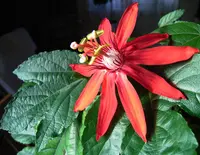
Thunberg's Lily Care (Lilium maculatum)

Thunberg's Lily

About Thunberg's Lily

Thunberg's lily, Lilium maculatum, is a bulb-forming perennial in the lily family, valued for its striking, upward-facing orange flowers speckled with dark spots. Plants typically grow on sturdy, upright stems with narrow leaves arranged in whorls or spirals.

In nature it occurs in coastal and mountainous areas of Japan, where it experiences cool winters and mild, bright summers. This background helps explain its preference for well-drained, fertile soil and consistent moisture without waterlogging.

Gardeners who want to care for Thunberg's Lily should note that it prefers full sun to light shade and good air circulation, which support strong flowering and help reduce disease problems.

Main Plant Requirements

Care Difficulty

Moderate Care

Light Preference

Full Sun

Water Requirements

Moderate Water

Temperature Preference

Cold Hardy

Hardiness Zone

3–8

Soil Texture

Sandy, Loamy, Organic-rich

Soil pH

Acidic (5.5–6.5), Slightly acidic (6.5–7.0)

Soil Drainage

Moist but well-drained

Fertilization

Light (every 4–6 weeks)

Get Personalized Care Plan

Scan your plant to receive care tips personalized for your specific plant

Available on iOS and Android

How to Care for the Thunberg's Lily

Lilium maculatum performs best with abundant sun but benefits from some protection during the hottest hours.

  • Provide 6–8 hours of direct sun daily, ideally with morning sun and light afternoon shade, especially in hotter regions.
  • Allow light partial shade (3–4 hours sun) in summer; flowering of Thunberg's Lily declines if grown in deeper shade.
  • Watch foliage for stress: pale, floppy stems and few buds indicate too little light; scorched, crispy leaf tips suggest excessive intense afternoon sun.

Lilium maculatum prefers evenly moist, never waterlogged soil during its active growth period.

  • Water when the top 3–5 cm of soil feel dry, soaking the root zone deeply rather than applying light, frequent splashes.
  • Ensure free-draining soil or raised beds; persistent wetness, sour smell, or yellowing, limp leaves can indicate developing bulb rot from overwatering.
  • Reduce watering after flowering as foliage begins to yellow, keeping soil just barely moist; drooping, dry leaves and shrunken buds signal underwatering during bloom.

This lily is a hardy garden bulb that handles cool winters and mild to warm summers when temperature extremes are avoided.

  • Active growth and flowering occur best around 60–75°F (16–24°C), with steady spring and early-summer conditions promoting strong stems and buds.
  • Dormant bulbs tolerate winter cold down to about 0–5°F (-18 to -15°C) in the ground when mulched, but emerging shoots are sensitive to late hard frosts.
  • During heat waves above 86–90°F (30–32°C), provide mulch and light afternoon shade to reduce soil overheating and stress on foliage.

This species grows well in average home humidity when extremes are avoided.

  • Target 40–60% relative humidity, similar to most living areas, as the primary focus should remain on light and soil moisture.
  • Dry central heating air is usually tolerated if the potting mix does not dry out completely between waterings.
  • Watch for browned leaf tips or pale, drooping foliage as mild humidity stress, but adjust watering and light before trying specialized caring for Thunberg's Lily devices.

Soil preparation for Lilium maculatum focuses on fast drainage with even moisture retention around the bulbs.

  • Use a loose, sandy-loam mix with 40–50% mineral material (garden soil or sandy topsoil) and 50–60% organic matter such as compost or leaf mold.
  • Aim for slightly acidic to neutral pH, roughly 6.0–7.0, avoiding very acidic or chalky conditions that reduce nutrient availability.
  • Increase drainage and aeration by adding coarse sand or fine grit and 10–20% perlite, keeping texture crumbly rather than dense.
  • Avoid heavy clay, compacted beds, or spots where water stands after rain, as bulbs are prone to rot in oxygen-poor, saturated soil.

This lily is suitable for container growing when pot depth and stability are planned carefully.

  • Choose a tall, heavy pot to balance the top-heavy stems and prevent tipping in wind or on balconies.
  • Select a container 25–30 cm deep so bulbs can sit several bulb-heights below the surface without crowding roots.
  • Elevate the pot on feet or bricks so drainage holes stay clear and excess water leaves quickly after rain or irrigation.

Lilium maculatum responds well to moderate feeding during its active growing season.

  • Apply a balanced 10-10-10 or 5-10-10 granular fertilizer in early spring as shoots emerge, following label rates.
  • Supplement with a light top-dressing of compost around the clump once in spring to improve soil structure and nutrition.
  • During late spring and early summer, use a half-strength balanced liquid feed every 4–6 weeks if growth seems weak.
  • Stop feeding by late summer and do not fertilize dormant bulbs in fall and winter to avoid soft, frost-prone growth.

Pruning for Lilium maculatum focuses on cleanliness and supporting strong flowering.

  • In spring and summer, remove dead or damaged leaves and spent flowers with clean, sharp scissors or snips to limit disease spread.
  • After blooms fade, deadhead just below the flower but keep green stems and leaves to allow bulbs to store energy.
  • Cut stems back to ground level only once foliage has fully yellowed and dried in late fall.
  • Avoid cutting healthy green growth during the season, as this can reduce flowering the following year.

This lily is usually grown in garden beds, with transplanting done only when clumps become crowded or growth declines.

  • Plan to lift and divide clumps every 3–4 years, or when flowering decreases and stems are thinner and sparse.
  • Transplant bulbs in late summer to early fall after foliage has died back, or very early spring before strong new growth.
  • Dig widely around the clump, keeping roots and basal plate intact, and replant bulbs at the same depth in well-drained soil.
  • Water thoroughly after transplanting, then keep soil lightly moist and shaded for 1–2 weeks to reduce root stress.

Lilium maculatum is commonly propagated by bulb division, with seeds used for longer-term projects.

  • Divide mature clumps in late summer or early fall once foliage has died back, separating offsets from the parent bulb.
  • Replant offsets at 10–15 cm depth in well-drained, humus-rich soil, spacing them 20–30 cm apart.
  • For seed propagation, sow fresh seed in trays of sterile, moist mix and keep at 60–70°F with bright, indirect light.
  • Maintain consistent moisture but not waterlogging, and expect seedlings to need several years before flowering.

Established Lilium maculatum bulbs are generally cold hardy and need only modest winter care in most temperate gardens.

  • After foliage dies back, allow soil to dry slightly but not completely, especially in heavy or poorly drained sites.
  • Apply a 5–8 cm mulch layer over the root zone in late fall to buffer freeze–thaw cycles, keeping mulch off the stems.
  • In very cold or wet climates, lift bulbs from heavy clay, dry them gently, and overwinter in a cool, frost-free, well-ventilated place.
  • For containers, move pots to a sheltered, unheated but frost-free spot and avoid waterlogged compost during winter.

Care Tips

Sturdy stem support

Install low, unobtrusive stakes or a single ring support as stems reach 20–30 cm to prevent wind damage and stem kinking, especially in exposed beds.


Mulch for bulb protection

Apply a 5–7 cm layer of loose organic mulch after the soil warms in spring to keep bulbs cool, reduce weed pressure, and maintain more even soil moisture without waterlogging.

Rotation against disease

Avoid replanting lilies in the same spot for at least 3–4 years after lifting bulbs, which helps limit soil-borne fungal problems and keeps Lilium maculatum plant care more reliable over time.

Timed deadheading

Remove spent flowers promptly but leave green stems and leaves intact until they yellow naturally so the plant can channel energy back into the bulbs for stronger flowering next year.

Pre-emptive pest checks

Inspect new foliage twice weekly in spring for lily beetles and their larvae, removing them by hand or treating early so pests do not strip leaves at the peak of growing Thunberg's Lily.

Common Pests and Diseases

Lily beetle

This pest feeds on leaves, buds, and flowers, leaving irregular holes and often stripping stems bare. Symptoms include bright red adult beetles and dark, slimy larvae usually covered in their own excrement.

Solution

Hand-pick and crush adults and larvae as soon as they are seen, checking plants daily in spring and early summer. For heavier infestations, use a targeted insecticide labeled for lily beetles, applying thoroughly to foliage and buds while avoiding open blooms to protect pollinators.

Aphids

These insects cluster on young stems, buds, and the undersides of leaves, sucking sap and causing distortion and sticky honeydew. Symptoms include curled or yellowing new growth and the presence of ants tending the aphid colonies.

Solution

Wash colonies off with a strong but controlled stream of water, repeating every few days as needed. If populations remain high, apply insecticidal soap or a horticultural oil to thoroughly coat affected areas, treating in the early morning or evening to reduce leaf scorch.

Botrytis blight

This disease causes brown, water-soaked or tan spots on leaves and buds that can expand rapidly in cool, damp weather. Symptoms include gray, fuzzy mold on affected tissues and premature leaf or bud drop.

Solution

Remove and discard all spotted or moldy leaves, buds, and spent flowers, and avoid overhead watering to keep foliage dry. Improve air movement around plants by spacing and light pruning, and if conditions stay wet, apply a fungicide labeled for botrytis on lilies according to label directions.

Basal rot

This disease affects the bulb, causing yellowing foliage, stunted growth, and eventual collapse of the stem from the base. Symptoms include soft, discolored bulb tissue with a possible foul smell when dug up.

Solution

Lift and discard severely affected bulbs and any obviously rotting scales, and avoid replanting lilies in the same spot for several years. Plant only firm, healthy bulbs in well-drained soil, and consider using a preventative bulb soak or soil drench fungicide where basal rot has been a recurring problem.

Lily mosaic virus

This disease leads to mottled, streaked, or banded leaves and deformed flowers, sometimes with reduced vigor over time. Symptoms include uneven color patterns that do not follow normal leaf veins.

Solution

Remove and destroy infected plants promptly, since there is no cure once a plant has the virus. Control sap-sucking insects such as aphids that spread the virus, and use only certified disease-free bulbs when planning Lilium maculatum plant care in garden beds or containers.

Interesting Facts

Coastal cliff specialist

This species naturally occurs on rocky sea cliffs and coastal grasslands of Japan, where it tolerates salt spray and strong winds better than many other lilies.

Distinctive speckled tepals

Its orange to reddish tepals are densely covered with dark purplish spots, which give the species name maculatum, meaning spotted, and help distinguish it from visually similar Asian lilies.

Early summer bloomer

Among Japanese wild lilies, it is known for flowering relatively early in the season, often in early summer, providing an important nectar source for local pollinating insects along the coast.

Botan icon

Did you know?

Lilium maculatum has played a role in Japanese horticulture as a parent species in breeding several garden lilies, contributing its strong color, spotting pattern, and coastal hardiness to modern ornamental cultivars.

FAQs about Thunberg's Lily

Lack of blooms usually comes from insufficient maturity, planting too deep, or depleted bulbs. Ensure full sun, balanced fertilizer after flowering, and avoid cutting green leaves early so bulbs can recharge for next season’s display.

Grow Healthy Plants with Botan Care

Keep your plants happy and healthy with plant identification, disease detection, and easy care guidance.


Botan plant care app — identify plants on mobile

Explore More Plants