Tulipa praestans Care

Tulipa praestans

About Tulipa praestans

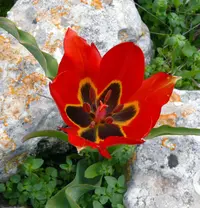
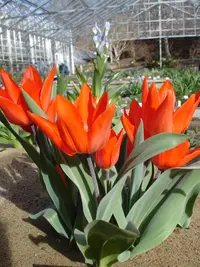
Tulipa praestans is a small, early-flowering bulbous plant from mountain regions of Central Asia. It belongs to the tulip group but stays more compact and natural-looking. Plants usually form low clumps with several vivid red, orange, or sometimes yellow flowers on each stem, giving strong color from a relatively small patch. Foliage is broad and gray-green, often creating an attractive base even when not in bloom. This species adapts well to rock gardens, borders, and naturalized plantings in temperate climates. It prefers full sun, well-drained soil, and relatively dry conditions in summer. Gardeners often find it reliable if drainage is good, which makes it easier to care for Tulipa praestans than some larger hybrid tulips.

Main Plant Requirements

Care Difficulty

Moderate Care

Light Preference

Full Sun

Water Requirements

Moderate Water

Temperature Preference

Cold Hardy

Hardiness Zone

3–8

Soil Texture

Sandy, Loamy, Rocky

Soil pH

Acidic (5.5–6.5), Slightly acidic (6.5–7.0)

Soil Drainage

Well-drained

Fertilization

Minimal (feed rarely)

Get Personalized Care Plan

Scan your plant to receive care tips personalized for your specific plant

Available on iOS and Android

How to Care for the Tulipa praestans

This spring-blooming bulb prefers strong light to produce compact plants and abundant flowers.

  • Provide 6–8 hours of direct sun daily in spring; full morning sun with light afternoon shade works well, especially in warmer regions.
  • Accepts light, dappled shade for part of the day, but prolonged shade causes weak, floppy stems and fewer blooms in Tulipa praestans.
  • After foliage yellows and dies back, sunlight is less critical, but avoid densely shaded, evergreen cover that keeps the soil cold and slow to dry.

This bulb prefers evenly moist but never waterlogged soil during active growth, then much drier conditions when dormant.

  • From emergence to 2–3 weeks after flowering, water only when the top 3–5 cm of soil feels dry, letting surplus water drain away freely.
  • In summer dormancy, keep bulbs almost dry, supplying only light moisture in very prolonged drought to prevent complete desiccation in sandy soils.
  • Signs of overwatering include yellow, soft foliage and a sour smell in the soil, while underwatering shows as prematurely collapsing leaves and undersized flowers.

This hardy tulip requires a cool winter and mild spring temperatures for reliable flowering.

  • Active growth and flowering occur best around 45–65°F (7–18°C), with cool nights supporting strong stems and long-lasting blooms.
  • Bulbs tolerate winter cold down to about -20°F (-29°C) in well-drained soil; snow cover further protects against freeze–thaw damage.
  • Prolonged heat above 80°F (27°C) in spring shortens bloom life; in hot-summer climates, plant bulbs deeper and ensure good mulch to buffer temperature swings.

This bulb tolerates typical home humidity and does not need special moisture in the air.

Tulipa praestans bulbs perform best in loose, well-drained mineral soil that never stays waterlogged.

  • Use a sandy or sandy-loam mix with 30–50% sharp sand or grit to keep pores open around the bulbs.
  • Incorporate a small amount of compost for nutrients, but avoid peat-heavy or dense organic mixes that hold water.
  • Aim for slightly acidic to neutral pH, around 6.0–7.0, as strongly alkaline soils can limit nutrient uptake.
  • On heavy clay sites, plant in raised beds or mounded rows amended with grit to improve drainage and aeration.

This species grows well in containers when the pot and substrate are managed for fast drainage.

  • Choose a deep, heavy pot that resists tipping when tall flower stems develop in spring winds.
  • Fill the pot with a gritty, free-draining bulb mix and keep the top of the bulb just below the surface to prevent rotting.
  • Raise containers on pot feet or bricks outdoors so drainage holes stay clear and excess water leaves quickly after rain or watering.

This small tulip is a bulb that stores much of its own nutrition, so fertilizing needs are modest.

  • Use a balanced granular or slow-release bulb fertilizer, or well-rotted compost, mixed into the soil before planting.
  • In established beds, apply a light balanced NPK feed once each spring as shoots emerge and again just after flowering.
  • Water in fertilizer well and avoid getting it on leaves to reduce scorch risk; keep rates at or below label recommendations.
  • Stop feeding once foliage begins yellowing and Tulipa praestans enters dormancy, as nutrients are no longer actively taken up.

Pruning needs are minimal and focus on preserving bulb strength rather than shaping.

  • Deadhead spent flowers of Tulipa praestans promptly, cutting just below the flower head without removing healthy leaves.
  • Allow foliage to remain until it turns fully yellow and dry, then cut back to soil level to let bulbs recharge.
  • Remove only damaged or diseased leaves with clean, sharp scissors or pruners to limit infection spread.
  • Avoid cutting green foliage for bouquets in bulk, since this reduces photosynthesis and can weaken next year’s flowering.

This species is most often grown in garden beds, where bulbs can remain undisturbed for several years.

  • Transplant clumps only when flowering declines or bulbs become crowded, usually every 3–5 years.
  • Lift bulbs in late spring or early summer once Tulipa praestans foliage has fully yellowed and dried naturally.
  • Gently loosen soil, lift bulbs with a trowel, brush off soil, and discard any soft, moldy, or damaged bulbs.
  • Replant bulbs in fall at the correct depth in well-drained soil, water once after planting, and avoid disturbing roots afterward.

This tulip is most commonly propagated by bulb division, with seed used mainly for breeding or long-term projects.

  • Lift mature clumps after foliage has died back, then separate offsets (small bulbs) from the main parent bulb.
  • Choose firm, healthy offsets; dust with a fungicidal powder if rot is a concern, then store dry and cool until fall planting.
  • Replant offsets in fall at 2–3 times their bulb height, in free-draining soil with full sun, spacing for future clump expansion.
  • Seed propagation requires cold stratification, cool moist conditions, and several years to flowering, so suits patient growers.

In most temperate climates, this hardy bulb overwinters in the ground with minimal intervention.

  • Tulipa praestans tolerates typical winter frosts when planted at proper depth in well-drained soil.
  • Apply a 5–7 cm mulch layer after the ground cools to buffer temperature swings and reduce heaving in freeze–thaw cycles.
  • Container-grown bulbs are more exposed; move pots into an unheated garage, cold frame, or sheltered spot to prevent deep freezing.

Care Tips

Bulb spacing strategy

Plant several bulbs in a tight 10–15 cm cluster rather than a straight line to create a fuller display and allow weaker bulbs to be visually supported by stronger flowering neighbors.

Post-bloom deadheading

As soon as petals fade, cut off the spent flower heads but leave all green foliage intact so that the bulb can redirect energy into storage rather than seed production, which improves flowering in the next season.

Targeted bulb lifting

In climates with wet or very hot summers, lift bulbs once the foliage has fully yellowed, dry them in a shaded, airy place for 7–10 days, then store them in labeled paper bags at 60–68°F until replanting.

Rotation to fresh ground

Replant bulbs every 3–4 years into a new, well-drained bed to reduce buildup of soil-borne diseases and pests, and use the move as an opportunity to divide and discard any obviously undersized or damaged bulbs.

Systematic pest monitoring

Inspect emerging shoots weekly in early spring for aphids or slug damage, hand-remove slugs at dusk and treat aphids early with a targeted insecticidal soap so that pests do not weaken plants during the brief active growth period of caring for Tulipa praestans.

Common Pests and Diseases

Tulip fire

This disease causes distorted, scorched-looking leaves, gray or brown spots, and deformed flowers, often giving the plant a burned appearance. Symptoms include stunted growth and flecking or streaking on foliage and blooms.

Solution

Remove and destroy all affected plants and any fallen leaves or petals, then avoid planting tulips in that spot for several years. Improve spacing and airflow, avoid overhead watering, and plant only healthy, certified bulbs to reduce Botrytis infection risk when growing Tulipa praestans.

Tulip breaking virus

This disease produces irregular streaks, feathering, or mottling on petals and sometimes lighter or distorted foliage. Symptoms include weak growth and reduced vigor over time, even if flowers appear attractive at first.

Solution

Dig up and destroy any bulbs showing clear virus symptoms, including nearby offsets, since the infection is systemic. Control aphids that spread the virus, avoid reusing suspect bulbs, and disinfect tools when handling infected plants to limit transmission.

Basal bulb rot

This disease starts at the base of the bulb, making it soft, brown, and often foul-smelling, which leads to poor emergence or collapse of shoots. Symptoms include failure to sprout, yellowing early in the season, and bulbs that disintegrate when lifted.

Solution

Discard all soft or discolored bulbs and do not compost them. Plant only firm, disease-free bulbs in well-drained soil, avoid planting too deeply or in waterlogged areas, and rotate planting sites to reduce buildup of Fusarium and related pathogens.

Narcissus bulb fly

This pest lays eggs at the base of bulbs, and the large larvae tunnel inside, hollowing them out and causing weak growth or complete collapse. Symptoms include missing shoots, stunted stems, and bulbs that feel light and show internal tunneling when cut open.

Solution

Lift and inspect bulbs that fail to emerge or show severe weakness, then destroy any infested bulbs. Use fine mesh or fleece over emerging shoots in early spring, plant bulbs a bit deeper, and promptly remove weak or suspicious plants to reduce breeding sites.

Slugs and snails

These pests chew irregular holes in emerging leaves and flower buds, especially in cool, damp conditions. Symptoms include ragged foliage, damaged buds, and slime trails around young shoots.

Solution

Hand-pick slugs and snails in the evening, use barriers such as copper tape or rough mulch, and remove hiding spots like dense debris near plantings. In high-pressure areas, apply iron phosphate slug bait according to label directions, focusing around emerging shoots and young plants to protect Tulipa praestans clumps.

Interesting Facts

Multi‑flowering wild tulip

This species typically produces several flowers per stem, often 3–5, which is unusual among wild tulips that more often bear a single bloom on each stem.

Origin in Pamir-Alai

The species is native to high, rocky slopes of the Pamir-Alai mountains in Central Asia, where it experiences cold, snowy winters and dry, bright springs, conditions that shaped its strong cold tolerance.

Early-season pollinator resource

Its bright red to orange flowers open very early in spring in its native habitat, providing one of the first nectar and pollen sources for emerging bees and other early pollinating insects.

Botan icon

Did you know?

The species gave rise to several popular garden selections, such as compact cultivars with multiple scarlet flowers per stem, and it became important in breeding programs aimed at producing reliable, long-lived multi-flowering tulips for rock gardens and naturalistic plantings.

FAQs about Tulipa praestans

This species usually flowers in early to mid spring, depending on climate. Individual blooms often last 1–2 weeks in cool, mild weather, but high temperatures, wind, and heavy rain can shorten the display significantly.

Grow Healthy Plants with Botan Care

Keep your plants happy and healthy with plant identification, disease detection, and easy care guidance.

Botan plant care app — identify plants on mobile

Explore More Plants