Provide climbing structure
Install a strong trellis, pergola, or tensioned wire system before planting so the vine can be tied and directed early rather than having to be cut back and repositioned later.

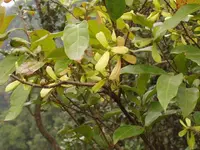
Hiptage benghalensis, often called hiptage or helicopter flower, is a vigorous evergreen climber from tropical South and Southeast Asia. It is usually grown outdoors in warm climates for its dense foliage and long, scrambling stems.
The plant is known for its fragrant white to pink flowers followed by distinctive winged fruits that spin as they fall. It can quickly cover fences, pergolas, or trees and may become invasive in frost-free regions.
Hiptage prefers full sun to light shade, warm temperatures, and moist but well-drained soil. Its fast growth and strong roots make it fairly tough, but regular pruning is part of how to care for hiptage.

Care Difficulty
Moderate Care

Light Preference
Full Sun

Water Requirements
Regular Water

Temperature Preference
Tropical / Frost Sensitive

Hardiness Zone
10–11

Soil Texture
Sandy, Loamy, Organic-rich

Soil pH
Acidic (5.5–6.5), Slightly acidic (6.5–7.0)

Soil Drainage
Moist but well-drained

Fertilization
Minimal (feed rarely)
Scan your plant to receive care tips personalized for your specific plant
Available on iOS and Android
This tropical climber thrives in bright outdoor conditions with some protection from harsh afternoon sun.
This vine prefers consistently moist, well-drained soil rather than extremes of dryness or saturation.
This species grows best in warm, frost-free climates with only mild temperature swings.
This vine prefers moderately humid air but usually adapts to typical outdoor conditions in warm climates.
Hiptage benghalensis grows best in loose, well-drained, moderately fertile soil.
This vigorous climber can be grown in containers if the pot is large and very stable.
This vigorous tropical vine benefits from moderate, targeted feeding during active growth.
Hiptage benghalensis responds well to structured pruning that controls vigor and improves flowering.
This fast-growing climber is more often transplanted outdoors than kept long-term in containers.
New plants are commonly raised from both seeds and semi-hardwood cuttings.
This tropical species is frost sensitive and needs protection in regions with cold winters.

Plant Health Check
Not sure what's wrong with your plant? Check your plant's health inside the app.
This liana produces distinctive three-winged samaras whose winged shape allows the seeds to spin and glide on the wind, helping them travel away from the parent plant and colonize new sites.
Its white to pale pink flowers open in clusters and release a strong, sweet fragrance that intensifies in the evening, attracting moths and other nocturnal pollinators.
As a vigorous woody climber, it can scramble over trees and shrubs, forming dense tangles that block light and physically weigh down host vegetation, which is why it is listed as invasive in several tropical and subtropical regions.

In parts of South and Southeast Asia, the showy, scented inflorescences have been traditionally used in temple offerings and local ornamentation, making this species both a cultural and ecological component of village landscapes.
This species can spread aggressively in warm climates. It seeds heavily, roots readily, and can smother nearby vegetation. Check local regulations, avoid planting near natural areas, and prune seed pods to limit unwanted spread and invasion.
Keep your plants happy and healthy with plant identification, disease detection, and easy care guidance.