

Ironwood Identification (Hopea odorata)

To recognize Hopea odorata, look for simple, alternate leaves with a long pointed tip and many close, parallel side veins, often 4 to 8 inches (10 to 20 cm) long.

Also check for a tall, straight trunk with narrow buttresses and small pale flowers in branched clusters.

Hopea odorata Identification

Check Your Plant with Botan

Not sure about your plant ID? Upload a photo and check it with Botan.

Clear images work best. Avoid photos taken too close or too far away

Check the leaf shape, trunk form, and winged fruit of Hopea odorata.

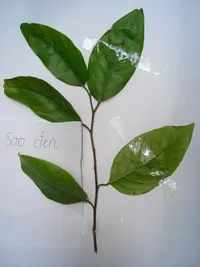
  • Leaves are simple, alternate, narrow-oval, and about 4 to 8 inches (10 to 20 cm) long, with a pointed tip and many fine, nearly parallel side veins.
  • The crown is dense and upright, often forming a tall, straight tree with a clear central trunk.
  • Bark is dark gray to brown and becomes rough or shallowly fissured on older trunks.
  • Fruits carry two long wing-like sepals and three much shorter lobes, a very visible dipterocarp feature.

Winged fruits and finely veined leaves are the quickest visual clues.

Hopea odorata shows clear visual shifts from sapling form to flowering and fruiting trees.

  • Juvenile plant: Young plants have a straight, slender stem with few side branches and relatively larger-looking, narrow leaves, giving a sparse, upright outline.
  • Young plant: As the crown expands, branching becomes more regular and layered, while the trunk stays slim and the canopy starts forming a distinctly narrow, conical shape.
  • Flowering stage: Mature flowering trees carry many small, pale blossoms in branched clusters near branch tips, adding a fine-textured, airy look absent on nonflowering plants.
  • Fruiting stage: The most distinctive change is the hanging fruit with 2 long wing-like sepals, often about 2–3 inches (5–8 cm) long, making the crown look tasselled.

Hopea odorata is evergreen, so it usually does not show a bare winter outline or a strong seasonal leaf-color shift. That limits seasonal identification clues. The most useful change is when flowering and fruiting make the crown look different. Small pale flowers may become visible in spring, followed by distinctive winged fruits that hang and later spin down as they mature.

A few Asian dipterocarps can be mistaken for Hopea odorata when seen as young trees.

yang na(Dipterocarpus alatus)

Often confused because both have simple, glossy, oval leaves and a straight trunk. Dipterocarpus alatus usually has larger leaves and fruit with two very long wings, while Hopea bears smaller winged fruit and often shows finer, denser branching.

merawan siput jantan(Shorea leprosula)

Similar as a tall, straight forest tree with alternate, leathery leaves. Shorea leprosula typically has broader leaves with a more obvious pointed tip, and its bark tends to become rougher and more fissured sooner than the smoother bark seen on younger Hopea odorata.

Hopea odorata is native to mainland Southeast Asia, including Cambodia, Laos, Myanmar, Thailand, and Vietnam. Its range is useful in identification because true wild plants are tied to this region rather than to Malesian rainforests or drier monsoon woodland farther west. It typically grows in lowland tropical forests, often along rivers and on seasonally flooded flats. Seeing a tall dipterocarp in moist alluvial forest helps narrow identification, especially in riparian settings where Hopea odorata is a characteristic native tree.

Confirm It from a Photo

Botan can identify or verify a plant using your photo, helping you avoid mix-ups before you label it or compare similar species.

FAQ

A strong field mark is the fruit: a small nut with five wing-like sepals, usually two noticeably longer than the other three. Mature bark is dark, rough, and shallowly fissured, supporting Hopea odorata identification.

More Plant Identification Guides

One Photo. More About Your Plant.

Use Botan to identify a plant from a photo, then get species details, care information, and common problems.

Botan app identifying a plant from a photo
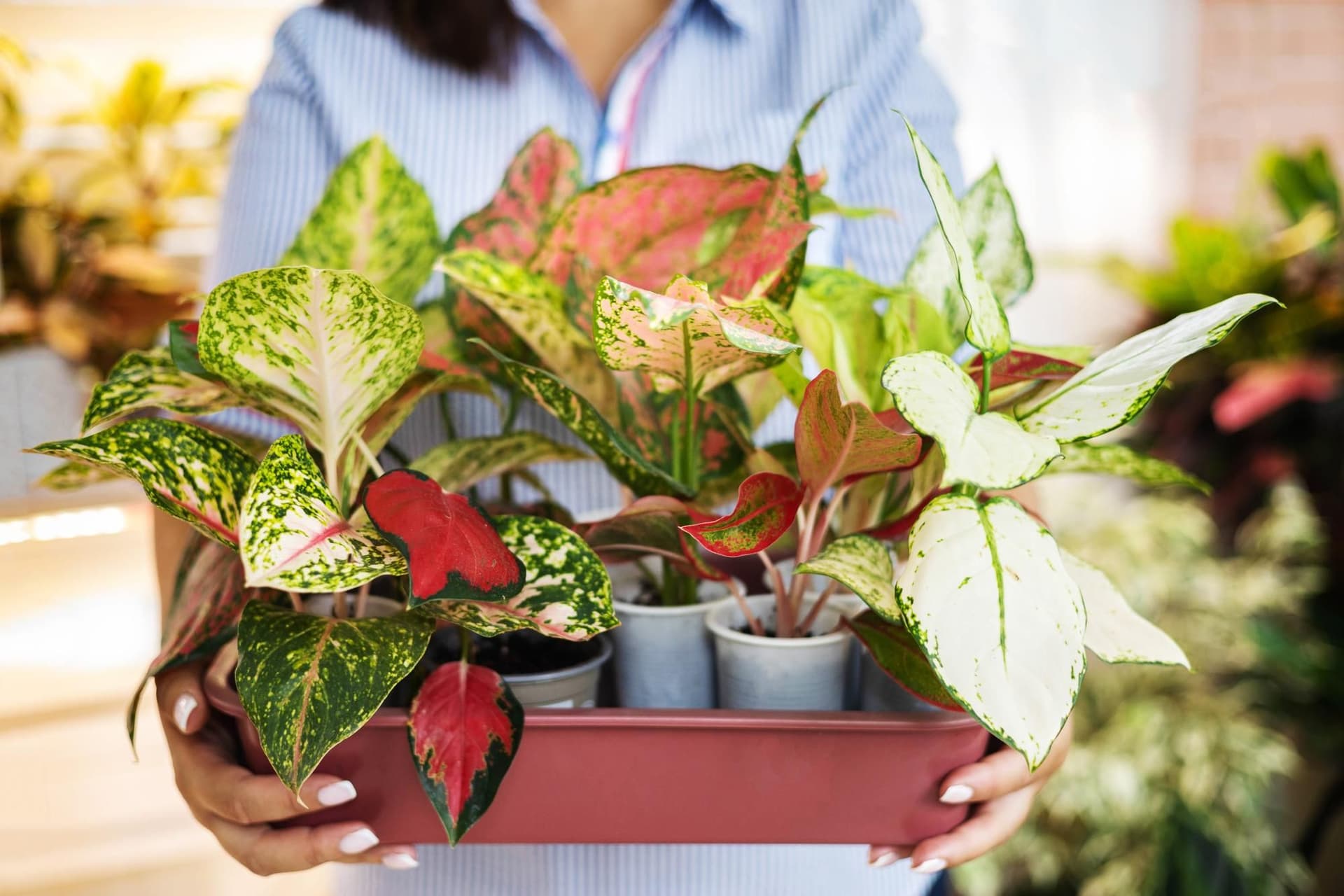
12 Most Wanted Rare Houseplants to Grow at Home

6 min read · 21 Sept 2026

12 Most Wanted Rare Houseplants to Grow at Home

Rare houseplants can turn an ordinary corner in your apartment into a living botanical collection. This guide covers 12 most admired picks, what makes them special, and how to grow them successfully at home.

Plant Recommendations
12 Most Wanted Rare Houseplants to Grow at Home
12 Best Plants for Bathroom That Thrive in Humid Conditions

9 min read · 29 Sept 2026

12 Best Plants for Bathroom That Thrive in Humid Conditions

Discover the 12 best plants for bathroom spaces. Each pick comes with its own advantages, plus light, humidity, watering, and placement tips. Take a look and match the plant to your specific bathroom.

Plant Recommendations
12 Best Plants for Bathroom That Thrive in Humid Conditions
8 Glow-in-the-Dark Plants and Fungi That Really Exist

8 min read · 6 Nov 2026

8 Glow-in-the-Dark Plants and Fungi That Really Exist

Plants that glow in the dusk really exist. Some of them produce their own light, while others need UV exposure or special treatments. Explore eight fascinating examples, including glowing petunias, bioluminescent mushrooms, fluorescent flowers, and experimental succulents.

Plant Recommendations
8 Glow-in-the-Dark Plants and Fungi That Really Exist