Ironwood Care (Hopea odorata)

Ironwood

About Ironwood

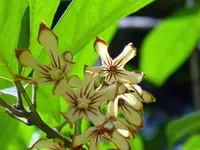
Ironwood, Hopea odorata, is a large evergreen tree valued for its dense, heavy timber and neat, upright crown. It is not suitable for small indoor spaces but may appear in large gardens or parks in very warm climates.

This species is native to tropical South and Southeast Asia, where it grows in lowland forests with high humidity and consistent warmth. Its glossy green leaves and straight trunk give it a formal, architectural look.

Because it is a true forest tree, it needs space, long-term commitment, and a stable warm climate, which makes it challenging for most home growers. Those who want to learn how to care for Ironwood should focus on warm temperatures, ample light, and evenly moist, well-drained soil.

Main Plant Requirements

Care Difficulty

Hard Care

Light Preference

Full Sun

Water Requirements

Regular Water

Temperature Preference

Tropical / Frost Sensitive

Hardiness Zone

11–12

Soil Texture

Loamy, Sandy, Organic-rich

Soil pH

Acidic (5.5–6.5), Slightly acidic (6.5–7.0)

Soil Drainage

Moist but well-drained

Fertilization

Minimal (feed rarely)

Get Personalized Care Plan

Scan your plant to receive care tips personalized for your specific plant

Available on iOS and Android

How to Care for the Ironwood

Hopea odorata thrives in bright, warm climates with strong but moderated sunlight.

  • Provide 6–8 hours of light daily, ideally with morning sun and light afternoon shade, especially in hot climates.
  • Young trees benefit from filtered light under taller canopy trees, while mature Ironwood tolerates more direct sun if soil moisture is stable.
  • Avoid harsh, all-day summer sun, which can scorch young leaves; too much shade leads to slow growth, sparse foliage, and overly tall, weak stems.

Hopea odorata prefers consistently moist, well-drained soil without long periods of drought or standing water.

  • Water deeply when the top 3–5 cm of soil feels dry, allowing moisture to reach the deeper root zone rather than giving light, frequent splashes.
  • During hot, dry seasons, increase watering frequency and monitor for wilting, curled leaves, or dull foliage, which signal insufficient moisture.
  • Improve drainage on heavy soils to prevent waterlogging; yellowing leaves, dieback from the tips, and sour-smelling soil indicate overwatering stress.

This tropical tree grows best in warm, frost-free climates with stable temperatures.

  • Aim for 70–90°F (21–32°C) for active growth, as Hopea odorata is adapted to humid, lowland tropical conditions.
  • Avoid temperatures below 50°F (10°C); growth slows sharply, and prolonged exposure near this range can weaken tissues.
  • The tree tolerates short heat waves up to about 100°F (38°C) if soil moisture is steady, but frost or freezing conditions can cause severe leaf damage or death.

This tropical tree benefits from consistently moist air but adapts to many outdoor humidity conditions.

  • Aim for 50–70% humidity for young or container-grown Ironwood, especially in warm climates.
  • Dry air can cause leaf tip browning and marginal scorch, while persistent curling or shedding indicates ongoing humidity stress.
  • Increase local humidity around potted plants with grouped planting, a water-filled pebble tray under (not in) the pot, or brief misting during hot, dry spells.

Hopea odorata prefers deep, moist, well-drained soil with high organic content for stable long-term growth.

  • Use a loamy mix that combines garden soil, coarse sand, and compost to balance moisture retention with drainage and aeration.
  • Ensure water drains freely; avoid compacted or heavy clay that stays wet, which encourages root rot and poor oxygen supply.
  • A slightly acidic to neutral pH around 6.0–7.0 supports nutrient availability and healthy root activity for this species.
  • On difficult sites, improve structure by incorporating leaf mold or fine bark into the top 20–30 cm to reduce compaction and surface waterlogging.

This species can be grown in containers only when young or maintained as a small specimen, not as a full-size tree.

  • Select a tall, heavy pot that resists wind tipping and provides enough depth for the strong taproot tendency.
  • Use a coarse, freely draining mix and raise the pot on feet so drainage holes never sit directly in collected water.
  • Position large containers where they will not need frequent moving, as weight increases rapidly with the deep root system and moist substrate.

Hopea odorata benefits from moderate, thoughtful feeding when grown in managed landscapes or containers.

  • Use a balanced slow-release NPK fertilizer or well-rotted compost at the start of the warm growing season.
  • Feed every 3–4 months in active growth, adjusting based on soil quality and tree vigor.
  • Apply at half the label rate for container Ironwood to limit salt buildup and root burn.
  • Reduce or stop fertilization in cooler months when growth slows, especially in subtropical or marginal climates.

Hopea odorata responds well to light structural pruning to keep trees safe and balanced in cultivation.

  • Carry out main pruning at the end of the dry or cool season, just before strong growth resumes.
  • Remove dead, diseased, crossing, or storm-damaged branches using sharp, clean loppers or a pruning saw.
  • Thin crowded interior shoots to improve light penetration and airflow, encouraging a stable canopy form.
  • Limit heavy cuts; favor gradual shaping over several years to reduce stress and decay risk.

This large forest tree is usually transplanted from nursery bags or pots into the ground rather than maintained long term in containers.

  • Shift young plants when roots circle the container, drainage slows, or height growth declines.
  • Schedule transplanting at the beginning of the rainy or warm growing season to support root establishment.
  • Move up only 1–2 pot sizes or into a well-prepared ground hole with deep, well-drained soil.
  • Minimize root disturbance, keep the root ball intact, water thoroughly, and shade lightly for 1–2 weeks to reduce stress.

Hopea odorata is typically propagated by seed in professional or forestry settings, as vegetative methods are more demanding.

  • Collect fresh, fully mature seeds and sow them promptly, since viability drops in storage.
  • Sow in a deep, well-drained, slightly shaded nursery bed or containers with a loose, organic mix.
  • Maintain 70–85°F, even moisture, and good air movement to support uniform germination.
  • Semi-hardwood cuttings can be attempted under high humidity with rooting hormone, though success is variable.

This tropical tree has low frost tolerance and needs protection in regions with cool or cold winters when grown outside its normal range.

  • In ground, use a 5–8 cm mulch layer over the root zone, keeping mulch slightly away from the trunk.
  • Wrap young trunks with breathable fabric or tree wrap during brief cold snaps in marginal climates.
  • Move container plants indoors or into a heated greenhouse before temperatures drop near 45°F.

Care Tips

Early structural training

In the first 3–5 years, stake the leader and lightly prune competing upright shoots to build a single straight trunk that supports the tree’s long-term timber-like form.

Wind acclimation phase

Before planting in a permanently windy site, grow young trees in a moderately exposed area for 1–2 seasons so they develop stronger, more flexible stems and better root anchorage.

Deep mulch basin

Maintain a 5–10 cm deep organic mulch ring out to at least the drip line, keeping it 5–8 cm away from the trunk, to moderate soil temperature and encourage a wide, fibrous root system.

Root flare monitoring

Check annually that the root flare at the base of the trunk is visible and not buried by soil or mulch, correcting any buildup to reduce risk of rot and girdling roots.

Seasonal pest scouting

During warm, humid months, inspect the underside of leaves and young shoots every 2–3 weeks for scale insects or borers, and treat early with horticultural oil or targeted products as part of caring for Ironwood.

Everything About Ironwood

Common Pests and Diseases

Stem borer

This pest tunnels into young stems and branches, causing wilting, branch dieback, and sometimes plant death in young trees.

Solution

Prune and destroy infested branches as soon as bore holes and frass (sawdust-like droppings) are noticed, and keep trees vigorous with proper watering and nutrition to help them resist attack; in areas with a history of borers, time targeted trunk and branch spray treatments with a borerspecific insecticide to coincide with adult flight, following local forestry or extension service guidance for Hopea odorata care.

Leaf miner

These insects feed between the upper and lower leaf surfaces, creating winding, pale trails that reduce photosynthesis and stress young trees.

Solution

Remove and destroy mined leaves to reduce the population, encourage natural predators by avoiding broad-spectrum insecticides, and if damage is heavy on nursery or young landscape trees, use a systemic insecticide or horticultural oil timed to early larval stages according to local label directions.

Scale insect

This pest attaches to twigs and leaves, sucking sap and often leading to leaf yellowing, sooty mold growth on honeydew, and reduced growth.

Solution

Inspect twigs and leaf undersides regularly, scrape or prune out localized colonies, and use horticultural oil or insecticidal soap thoroughly on infested parts, repeating as needed to target young crawler stages while ensuring good airflow in the canopy to discourage outbreaks.

Leaf spot

This disease causes small to medium brown or dark spots on leaves, sometimes with yellow halos, which can coalesce and lead to premature leaf drop in humid conditions.

Solution

Rake and remove fallen leaves to reduce reinfection, avoid overhead irrigation, thin nearby vegetation to improve airflow, and in nursery or high-value plantings with recurring problems, apply a suitable foliar fungicide at the start of the rainy season according to local recommendations for Hopea odorata plant care.

Interesting Facts

Valuable tropical timber

Hopea odorata produces a dense, durable hardwood that has been widely used in Southeast Asia for heavy construction, bridges, and boat building due to its resistance to decay in humid climates.

Dominant rainforest canopy tree

This species naturally grows as a very tall emergent tree, often forming part of the upper canopy in lowland evergreen forests, where its large crown influences light levels and understory plant composition.

Resin and bark uses

The tree yields a resin traditionally used as a varnish and waterproofer, and the bark has been used locally as a source of tannins for treating fishing nets and sometimes for leather tanning.

Botan icon

Did you know?

Mature Hopea odorata trees can live for several centuries and reach heights reported over 40–45 m, which has led to individual trees being protected and revered as heritage trees in some parts of Southeast Asia.

FAQs about Ironwood

This species has a slow to moderate growth rate. Young trees may add 30–60 cm per year under warm, moist, fertile conditions, then slow as they mature into dense, heavy-wooded forest trees.

Grow Healthy Plants with Botan Care

Keep your plants happy and healthy with plant identification, disease detection, and easy care guidance.

Botan plant care app — identify plants on mobile

Explore More Plants