


foxtail barley Identification (Hordeum jubatum)

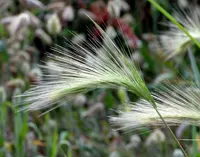
To recognize foxtail barley, look for a dense, cylindrical seed head 2 to 6 inches (5 to 15 cm) long with many long bristles that radiate outward.

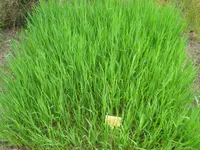
It grows in tight clumps of narrow, flat leaves, and the flowering stems usually stand 1 to 2 feet (30 to 60 cm) tall.

Hordeum jubatum Identification

Check Your Plant with Botan

Upload a clear image to check whether your plant ID is correct.

Clear images work best. Avoid photos taken too close or too far away

  • 1 free identification
  • No sign-up
  • 30,000+ plants in database

Check these visible traits on Hordeum jubatum before looking at finer details.

  • Forms loose clumps of narrow, upright grass stems rather than a broad mat.
  • Flowering stems usually stand about 1 to 2 feet (30 to 60 cm) tall.
  • Seed heads are dense, narrow, and bristly, often 2 to 6 inches (5 to 15 cm) long.
  • Each spikelet carries very long, fine awns that spread outward, giving a soft, feathery bottlebrush look.
  • Leaves are flat, slender, and mostly along the lower part of the stems.

The long, airy awns are often the fastest feature to confirm by eye.

Foxtail barley shows clear visual shifts from leafy tufts to bristly seed heads.

  • Seedling: Begins as a small grass tuft with narrow, flat blades emerging from the base, lacking stems and the dense, showy head that defines later stages.
  • Young plant: Forms a larger basal clump with several upright stems and longer linear leaves, but the stem tips remain plain because no head has emerged yet.
  • Flowering stage: Stems rise to about 1-2 feet (30-60 cm), each topped by a dense spike whose long awns create the soft, feathery bottlebrush outline.
  • Fruiting stage: The spike elongates visually as awns spread and turn straw-colored to pinkish, while the maturing grains remain embedded along the central axis.

In spring, foxtail barley appears as low green tufts of narrow leaves. The plant can look fairly plain before the flowering stems rise. The strongest seasonal clue shows from late spring into summer, when arching seed heads become obvious. Their long, silky awns often shift from green to pinkish, then pale straw as they dry, and the plant later stands as a tan, bristly clump.

A few awned grasses are regularly mistaken for foxtail barley.

squirrel-tail grass(Elymus elymoides)

Both have soft-looking, bristly seed heads. Squirrel-tail grass stays tan to straw-colored, and its head is narrower and more spike-like. It lacks the pink to purple tint often seen in Hordeum jubatum.

foxtail barley(Hordeum murinum)

This barley also has dense awns and a bottlebrush look. It is usually shorter, with stiffer, chunkier heads about 1 to 4 inches (2.5 to 10 cm) long, rather than the longer, silky plumes of Hordeum jubatum.

Hordeum jubatum is native across much of northern North America, including Alaska, Canada, and the northern and western United States. It is most often found in open grasslands, prairies, roadsides, stream edges, and saline or otherwise disturbed soils. Seeing it in sunny, often somewhat salty ground can help separate it from similar grasses of forests or consistently dry uplands.

  • Awn injury: The long, barbed awns on mature seed heads can injure skin on contact and are a larger risk to pets, especially dogs, if inhaled or if they enter the ears, eyes, nose, mouth, or paw skin.
  • Ingestion risk: Seeds and seed heads are not known for chemical poisoning, but swallowed awns can still cause mechanical injury in pets and sometimes people.

Check Your Plant ID

Use Botan to compare a photo and confirm the plant, which helps avoid mix-ups before you label, buy, or remove it.

FAQ

The flowering head is the strongest clue. It forms a soft, brushlike spike with many long awns, often pink to purplish when fresh and pale straw-colored later, a key trait in Hordeum jubatum identification.

More Plant Identification Guides

Identify Your Plant and Learn More

Upload a photo to identify it, then see plant details, care information, and common problems matched to that species.

Botan app identifying a plant from a photo
Top 15 Fast-Growing Trees For Your Garden

13 min read · 28 Jul 2026

Top 15 Fast-Growing Trees For Your Garden

Learn which of the 15 fastest-growing trees will suit your area. We’ll share detailed information on each: growth rate, mature spread, key tree demands, and main vulnerabilities. Read on and make the best choice possible.

Plant Recommendations
Top 15 Fast-Growing Trees For Your Garden
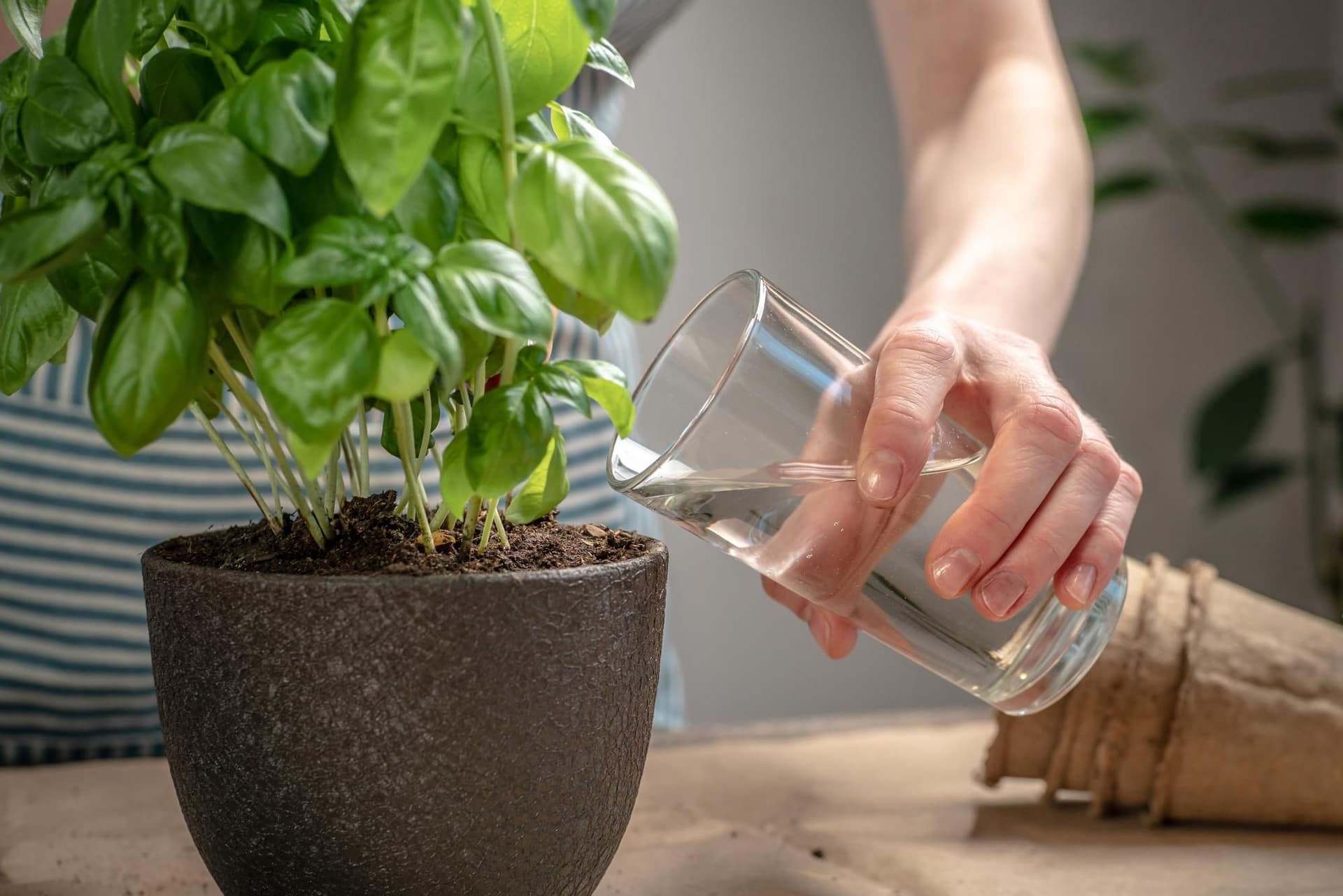
Is Sugar Water Good for Plants?

4 min read · 14 Sept 2026

Is Sugar Water Good for Plants?

Sugar water may sound like an easy boost, but most rooted plants do not need extra sucrose. This guide explains how green tissues produce carbohydrates, when a sweetened solution can be useful, and why too much can cause problems.

Plant Care
Is Sugar Water Good for Plants?
Frozen vs Fresh Vegetable Nutrients: Which Option Is Healthier?

6 min read · 8 Sept 2026

Frozen vs Fresh Vegetable Nutrients: Which Option Is Healthier?

Frozen and fresh vegetables are nutritionally comparable: frozen produce often retains vitamins just as well as fresh and may sometimes contain more. Here’s how blanching and storage affect nutrients—and when to choose each.

Plant Recommendations
Frozen vs Fresh Vegetable Nutrients: Which Option Is Healthier?