Hosta Care (Hosta 'Guacamole')

Hosta

About Hosta

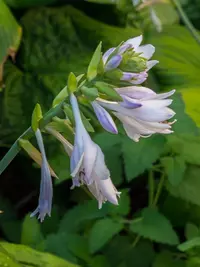
Hosta 'Guacamole' is a clump-forming perennial prized for its large, apple-green leaves with darker green margins and a lush, mounded habit. It produces fragrant, pale lavender to near-white flowers on tall stems in summer, adding height and seasonal interest.

This cultivar originates from garden breeding of Asian Hosta species that naturally grow in woodland and shaded environments. It is considered relatively easy to grow if given shade to part shade, evenly moist soil, and protection from strong afternoon sun.

The plant suits borders, shade gardens, and containers, and can form dense groundcover over time. Understanding how to care for Hosta helps keep its foliage full, healthy, and attractive across the growing season.

Main Plant Requirements

Care Difficulty

Easy Care

Light Preference

Partial Shade

Water Requirements

Regular Water

Temperature Preference

Cold Hardy

Hardiness Zone

3–8

Soil Texture

Loamy, Silty, Organic-rich

Soil pH

Acidic (5.5–6.5), Slightly acidic (6.5–7.0)

Soil Drainage

Moist but well-drained

Fertilization

Light (every 4–6 weeks)

Get Personalized Care Plan

Scan your plant to receive care tips personalized for your specific plant

Available on iOS and Android

How to Care for the Hosta

This cultivar prefers bright, gentle light with strong protection from harsh afternoon sun.

  • Provide 3–5 hours of morning sun with bright dappled or filtered shade the rest of the day for best color and growth.
  • Tolerates partial to full shade, but in deep shade leaves may stretch, lose variegation, and become more prone to disease.
  • In hot summers, shield Hosta from sun after 11 a.m. to prevent leaf scorch; adjust siting each spring as nearby trees leaf out and change light levels.

Watering should keep the root zone consistently moist but never saturated.

  • In active growth, water when the top 3–5 cm of soil feels dry, soaking the soil deeply so moisture reaches the full root depth.
  • Use well-drained, organic-rich soil; standing water or heavy clay increases risk of crown rot and mushy, yellowing leaves from overwatering.
  • During cooler spring and fall, reduce frequency, but avoid letting the leaves droop or crisp at the edges, which indicates underwatering.

This plant grows best in cool to mild conditions with a pronounced winter chill period.

  • Active growth is strongest around 60–75°F (16–24°C), with leaves expanding faster and colors staying clear in this range.
  • Dormant crowns tolerate cold to about -20°F (-29°C) outdoors if soil drains well and a 5–8 cm mulch layer protects roots.
  • In heat above 85°F (29°C), provide extra shade and moisture, since prolonged high temperatures stress foliage and can shorten the growing season.

This cultivar tolerates a fairly wide humidity range but benefits from slightly moist air in hot, dry conditions.

  • Aim for 40–60% humidity to limit leaf edge browning during summer heat.
  • Tolerates drier air if soil moisture is consistent, but prolonged very dry air plus drought causes scorched margins and limp foliage.
  • Increase humidity around plants in exposed spots by grouping containers and using mulch to keep the soil surface cooler and slightly moister.

Hosta 'Guacamole' performs best in deep, moisture-retentive but free-draining, organic-rich soil.

  • Use a loamy soil with high organic matter, such as a mix of existing garden soil, compost, and shredded bark for structure and moisture retention.
  • Ensure drainage is moderate to fast; avoid waterlogged or compacted clay where water stands after rain, which promotes crown rot.
  • Aim for slightly acidic to neutral pH, around 6.0–7.0, amending very alkaline soils with organic matter like leaf mold or compost.
  • Improve aeration and drainage by incorporating coarse materials such as pine bark fines or a small portion of sharp sand into heavy soils before planting.

This variety adapts well to container growing outdoors when moisture and stability are managed carefully.

  • Choose a wide, relatively deep pot that allows the spreading root system to expand without circling tightly against the sides.
  • Select a heavy or weighted container if sited in windy areas so the lush foliage does not tip the pot.
  • Use a fast-draining, compost-rich mix and elevate the pot slightly on feet or bricks so drainage holes never sit in collected water.

This cultivar responds well to modest, consistent feeding during the active growing season.

  • Apply a balanced slow-release fertilizer (around 10-10-10) in early spring as new shoots emerge, following label rates.
  • Supplement with light monthly liquid feed at 1/2 strength during late spring and summer if soil is poor.
  • Use a thin layer of compost around the clump to improve soil structure and moisture retention.
  • Stop feeding in late summer to early fall so growth can harden before winter dormancy.

Pruning for Hosta 'Guacamole' focuses on cleanliness and tidiness rather than shaping.

  • In spring, remove any remaining dead foliage with clean bypass pruners to reduce pest and disease carryover.
  • Throughout summer, clip off yellowing, torn, or slug-damaged leaves at the base to maintain appearance and airflow.
  • Cut flower stalks back to the crown after blooming if seed is not desired, directing energy into roots and foliage.
  • In late fall after hard frost, shear or hand-cut collapsed leaves to keep the crown clean over winter.

This hosta is usually grown in the ground, so care centers on dividing and transplanting mature clumps.

  • Plan major transplanting or division for early spring as shoots just emerge, or early fall 4–6 weeks before hard frost.
  • Look for overcrowded centers, declining vigor, or roots circling a pot as signs the plant needs more space.
  • Lift the clump carefully, then split into sections with several buds and roots each, trimming damaged roots cleanly.
  • Replant at the same depth in enriched, well-drained soil, water thoroughly, and shade for several days to limit stress.

Propagation of Hosta 'Guacamole' is most reliable by division, which maintains the exact cultivar traits.

  • Divide established clumps in early spring or early fall when temperatures are mild and soil is workable.
  • Lift the entire crown and gently tease or cut apart sections, each with at least 2–3 growing points and healthy roots.
  • Replant divisions promptly into moist, well-drained soil with light shade, keeping crowns at original soil level.
  • Water consistently for several weeks and use mulch to stabilize moisture while new roots establish.

This hardy perennial usually needs minimal winter care in most temperate climates.

  • Hostas tolerate freezing temperatures once dormant, but foliage will die back after hard frost.
  • After dieback, remove mushy leaves to limit slug habitat and fungal issues over winter.
  • Apply 5–8 cm of leaf mold or bark mulch around, not on top of, the crown to buffer freeze–thaw cycles.
  • Move container-grown plants into a sheltered, unheated area where soil stays cold but the pot does not freeze solid.

Care Tips

Spring crown check

At the start of spring, gently remove old mulch and debris from around the crown so emerging shoots are not distorted or trapped, then reapply a thin, clean mulch layer once new growth is 5–8 cm tall.

Slug and snail barrier

Before shoots emerge, set out beer traps or iron phosphate pellets and maintain a 5–8 cm ring of sharp gravel around clumps to protect the tender foliage from early slug and snail damage.

Divide for vigor

Every 4–6 years, divide mature clumps in early spring or early fall, replanting firm, healthy divisions with at least 3–5 eyes to maintain strong growth and consistent leaf size.

Hail and wind protection

In regions prone to hail or strong winds, place a simple mesh or shade cloth screen on the windward side to reduce tearing of the broad leaves and keep the plant looking intact through the season.

Autumn cleanup timing

Once frost has fully collapsed the foliage, cut leaves to ground level and remove them from the site to reduce overwintering pests and diseases, a key part of long-term caring for Hosta in the same planting bed.

Common Pests and Diseases

Foliar nematodes

Symptoms include tan to brown, water-soaked streaks between veins that follow the leaf structure, often appearing in mid to late summer and slowly enlarging. This disease spreads inside the leaves and is strongly associated with many hosta cultivars in crowded, moist plantings.

Solution

Remove and discard heavily affected leaves and, in severe cases, entire plants; do not compost infected material. Avoid overhead watering, reduce leaf wetness, improve spacing for airflow, and source new divisions from nematode-free stock to limit reinfestation when caring for Hosta.

Hosta virus X

This disease causes mottled, streaked, or ink-bleed patterns on leaves, often with twisted or distorted growth and reduced vigor over time. Symptoms include patterns that follow veins and do not disappear as the season progresses.

Solution

Immediately remove and destroy any plant suspected of infection, including roots, since this virus has no cure. Disinfect tools between plants, avoid sap transfer when dividing or trimming, and buy plants from reputable nurseries that test for Hosta virus X.

Slugs and snails

This pest creates irregular holes and shredded edges on leaves, especially on young, tender foliage, and often leaves silvery slime trails. Damage is usually worst in cool, wet conditions and in dense shade.

Solution

Hand-pick slugs and snails in the evening, use iron phosphate baits labeled for ornamental beds, and place copper barriers or traps where damage is concentrated. Reduce hiding places by clearing debris and mulching lightly rather than with thick, damp layers close to the crowns.

Black vine weevil

This pest causes notched, chewed leaf margins from adult feeding, while the larvae feed on roots and crowns underground, leading to wilting or plant decline. These insects are particularly troublesome on container or foundation plantings.

Solution

Inspect leaves at night and hand-pick adults from foliage, then use beneficial nematodes in the soil to target larvae around the root zone. Reduce dense groundcovers near hostas and refresh potting mixes in containers if infestation is suspected.

Anthracnose

This disease leads to irregular tan or brown leaf spots with dark borders that can merge into large dead areas, often along leaf margins and tips. Symptoms include papery, thinning tissue that may tear out, leaving ragged holes.

Solution

Remove and discard affected leaves to reduce spore spread, and water at soil level to keep foliage dry. Improve spacing and airflow, avoid overhead watering in late day, and in severe, recurring cases use a labeled fungicide as part of an integrated management plan.

Interesting Facts

Sport of a classic

This cultivar originated as a sport of Hosta 'Fragrant Bouquet', selected for its distinctive darker, guacamole-colored center contrasted with a lighter margin.

Enhanced leaf fragrance

In warm, humid conditions, the foliage can emit a noticeable sweet scent, not only the flowers, which is stronger than in many other large variegated hostas.

Consistent variegation pattern

Unlike some unstable variegated hostas, its leaf pattern tends to remain relatively uniform from year to year, which makes it reliable for landscape design.

Botan icon

Did you know?

In 2002, this cultivar was named Hosta of the Year by the American Hosta Growers Association, which significantly increased its popularity and distribution in gardens across North America.

FAQs about Hosta

Brown leaf edges usually come from dry soil, strong sun, or excess fertilizer salts. Check moisture, improve mulch, and reduce direct afternoon sun. Flush the soil occasionally to remove salts and trim damaged tissue if needed.

Grow Healthy Plants with Botan Care

Keep your plants happy and healthy with plant identification, disease detection, and easy care guidance.

Botan plant care app — identify plants on mobile

Explore More Plants