Hydnellum geogenium Care

Hydnellum geogenium

About Hydnellum geogenium

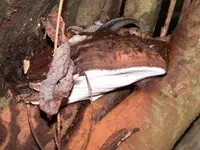
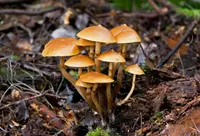
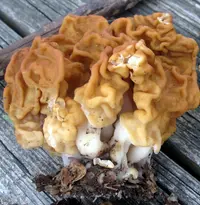
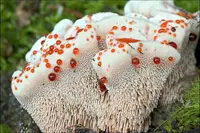
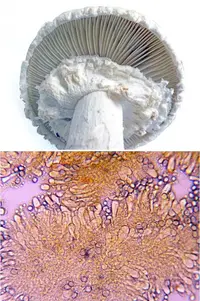
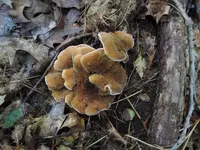
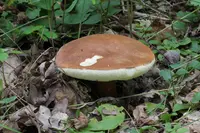
Hydnellum geogenium is a tooth fungus, not a typical leafy houseplant. It forms dense, irregular caps with spiny undersides instead of gills. Colors often range from pale to darker browns, blending well with forest litter.

This species naturally occurs in temperate coniferous forests, usually among moss and acidic, nutrient-poor soils. It lives in close partnership with tree roots, exchanging nutrients in a mycorrhizal relationship, which makes it difficult to cultivate away from its native habitat.

Because of this specialized lifestyle, attempts to grow or care for Hydnellum geogenium at home are rarely successful. It prefers cool, moist forest conditions, dappled light, and undisturbed, well-drained soil rich in organic matter.

Main Plant Requirements

Care Difficulty

Hard Care

Light Preference

Partial Shade

Water Requirements

Regular Water

Temperature Preference

Cool Climate

Hardiness Zone

Unknown

Soil Texture

Sandy, Loamy, Organic-rich

Soil pH

Strongly acidic (4.5–5.5)

Soil Drainage

Moist but well-drained

Fertilization

Minimal (feed rarely)

Get Personalized Care Plan

Scan your plant to receive care tips personalized for your specific plant

Available on iOS and Android

How to Care for the Hydnellum geogenium

This woodland fungus prefers cool, dappled light rather than direct, open sun.

  • Site Hydnellum geogenium in light to moderate shade under conifers or mixed woodland, with 2–4 hours of gentle morning sun or bright, filtered light through tree canopies.
  • Avoid strong midday and afternoon sun, which can dry the forest floor surface quickly and suppress fruiting; leaf litter or needle cover helps buffer light and moisture.
  • In summer, increasing shade from foliage is beneficial, while limited late-winter or early-spring sun is acceptable as long as the underlying soil stays moist.

Moist, not waterlogged, soil is essential for this mycorrhizal woodland fungus.

  • Aim for consistently moist forest soil, where the upper 1–2 cm feels slightly damp under the litter layer; prolonged surface drying reduces fruiting of Hydnellum geogenium.
  • Ensure water drains freely through a loose, organic, often coniferous substrate; avoid compacted or puddling sites that can lead to anaerobic, sour-smelling soil conditions.
  • During hot, dry periods, monitor the forest floor more often and add moisture if possible, while in cool, wet seasons rely mostly on rainfall and avoid creating standing water.

This species is adapted to cool, temperate woodland climates with moderate seasonal variation.

  • Optimal fruiting usually occurs around 50–68°F (10–20°C), typical of cool late-summer to autumn forest conditions in temperate regions.
  • The mycelium in soil tolerates winter cold below 32°F (0°C) when insulated by litter or snow, but repeated freeze–thaw at exposed, bare soil can be damaging.
  • Sustained heat above 77–82°F (25–28°C), especially combined with drought, reduces fruiting; shade, organic mulch, and moist soil help buffer high temperatures in warm spells.

Humidity is not a primary factor for Hydnellum geogenium, which is adapted to outdoor forest conditions.

This fungus needs a specific forest-floor substrate that is difficult to reproduce in gardens.

  • Fruiting bodies typically appear in cool, coniferous woodland soils rich in decomposed needles and woody debris, forming a deep organic layer.
  • Soils are usually acidic, around pH 4.0–5.5, and remain evenly moist yet never waterlogged due to coarse mineral content and natural slope drainage.
  • Avoid compacted, limed, or heavily fertilized ground, which disrupts the mycorrhizal relationship with host trees and suppresses Hydnellum geogenium development.
  • In managed sites, retain conifer litter, small branches, and undisturbed duff to maintain aeration, organic input, and the stable microhabitat required for fruiting.

This species is not suitable for container growing, as it depends on complex mycorrhizal associations with trees and undisturbed forest soil structure.

This ectomycorrhizal fungus relies on nutrient exchange with host trees, so added fertilizer is usually unnecessary and can be harmful.

Pruning is not applicable, as Hydnellum geogenium is a wild ectomycorrhizal fungus rather than a pruned ornamental plant.

Transplanting focuses on moving colonized soil or substrate supporting this fungus rather than handling it like a typical potted plant.

  • Transplant in cool, moist weather, ideally in early autumn, when fungal mycelium experiences less stress.
  • Move a substantial, intact plug of soil containing host tree roots, minimizing disturbance to fine roots and fungal threads.
  • Keep the soil block evenly moist before and after moving to limit desiccation of the mycelium.
  • Avoid frequent moves; once established with a host tree, the habitat should remain stable long term.

Deliberate propagation of this species is challenging and rarely successful outside specialized mycology or conservation work.

In its suitable hardiness range, this woodland fungus is naturally cold hardy and needs no dedicated winter care.

Care Tips

Host tree selection

Establish this mycorrhizal fungus near compatible conifers such as pine or spruce, as it relies on living tree roots rather than organic mulch or compost beds to complete its life cycle.

Minimal disturbance zone

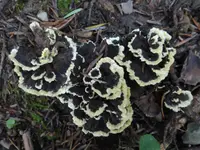
Mark a no-dig ring at least 60–90 cm around the fruiting area and avoid raking, compacting, or tilling the soil there, since mechanical disturbance easily breaks the fine mycelial network that supports future fruiting bodies.

Soil chemistry monitoring

Test pH and base saturation every 1–2 years and, if the site trends too alkaline, avoid lime applications and heavy wood ash so the fungus can maintain the slightly acidic conditions it prefers.

Controlled organic inputs

Use only light, well-decomposed conifer litter or needles as top-dress material and avoid thick layers of fresh wood chips or rich compost, which can favor competing fungi and bacteria over this slow-growing species.

Documentation and mapping

Photograph and map each fruiting location with GPS or simple sketches so long-term caring for Hydnellum geogenium includes tracking whether colonies are expanding, declining, or shifting in response to site changes.

Common Pests and Diseases

Mycophagous springtails

These insects feed on fungal tissue and can graze young fruiting bodies and spines, leaving them distorted or partially eaten. Symptoms include pitted, uneven surfaces and stalled development of small caps.

Solution

Maintain moist but not waterlogged substrates and avoid excess surface algae or mold that encourages high springtail populations. For small cultivation setups, gently flush the surface with clean, non-chlorinated water and improve drainage; in containers, reduce organic debris and use fine mesh or sticky barriers around the fruiting area to limit movement of springtails while still allowing air exchange for growing Hydnellum geogenium.

Fungus gnat larvae

This pest lives in very moist, organic substrates and the larvae can tunnel through developing fungal tissue and mycelium. Symptoms include collapse of young fruiting bodies and visible small, dark gnats around the cultivation area.

Solution

Allow the upper substrate layer to dry slightly between misting sessions while keeping deeper layers evenly moist, and remove any decaying plant material near the culture. Use yellow sticky traps to reduce adult gnats and, in container systems, apply a biological control such as Bacillus thuringiensis israelensis (BTI) in irrigation water to target larvae without harming the fungus.

Mite grazing

These insects (actually arachnids) can feed on fungal hyphae and the surface of fruiting bodies, causing rough, scarred, or bronzed patches. Symptoms include slowed growth, irregular cap margins, and fine movement of tiny pale or reddish dots under magnification.

Solution

Improve cleanliness around the growth area by removing rotting wood, leaf litter, and old fungal tissue that harbor mites, and avoid bringing in uninspected forest debris. For small indoor or sheltered setups, use fine mesh covers over trays, gently rinse affected surfaces with clean water, and, if needed, introduce predatory mites sourced for mushroom cultivation to rebalance the microfauna community.

Bacterial blotch

This disease is caused by opportunistic bacteria on very wet surfaces and leads to greasy, discolored spots on caps and spines. Symptoms include water-soaked patches that may turn yellowish to brown and soften over time.

Solution

Reduce direct overhead watering and instead maintain humidity with indirect misting and good air movement so surfaces dry between wetting events. Remove and discard badly affected fruiting bodies, sanitize tools and containers, and in controlled setups adjust ventilation to keep the microclimate humid but not stagnant as part of basic Hydnellum geogenium care instructions.

Competing saprotrophic fungi

This disease-like problem occurs when faster-growing mold or mushroom species overrun the substrate and outcompete H. geogenium mycelium. Symptoms include patches of green, black, or fluffy white mold and suppression or complete absence of the desired fruiting bodies.

Solution

Use clean, well-aged but not moldy wood-based substrates and avoid introducing unsterilized forest debris into controlled beds or containers. When contamination appears, physically remove invaded substrate and competing fruiting bodies, improve drainage and airflow, and, if possible, start new cultures from healthy tissue or spores on a fresh, clean substrate away from the contaminated area.

Interesting Facts

Northern conifer associate

This tooth fungus is strongly associated with coniferous forests in northern and montane Europe, where it occurs on nutrient-poor, often sandy or podzolic soils under pines and spruces.

Pale, zoned cap

The fruiting body typically has a pale to grayish-brown cap with subtle concentric zoning and a velvety to felted surface, lacking the dramatic blue or bloodlike colors seen in some related Hydnellum species.

Conservation concern species

In several European countries this species is regarded as regionally rare and is monitored as an indicator of old, relatively undisturbed conifer forests with low nitrogen input.

FAQs about Hydnellum geogenium

This tooth fungus is not considered edible. The flesh is tough, corky, and strongly bitter. It is not eaten and should be treated as inedible, even though it is not usually reported as dangerously toxic.

Grow Healthy Plants with Botan Care

Keep your plants happy and healthy with plant identification, disease detection, and easy care guidance.

Botan plant care app — identify plants on mobile

Explore More Plants