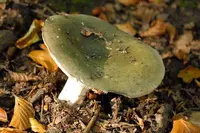
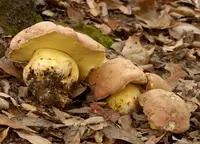
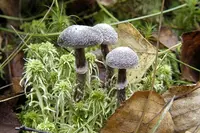
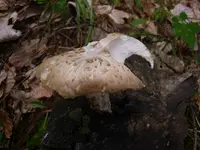
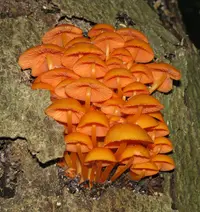
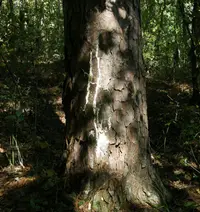
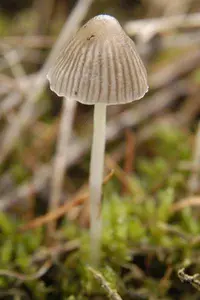
spreading yellow tooth Care (Hydnophlebia chrysorhiza)

spreading yellow tooth

About spreading yellow tooth

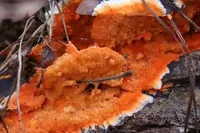
Spreading yellow tooth, Hydnophlebia chrysorhiza, is a crust-like wood-decay fungus rather than a typical leafy plant. It forms thin, bright yellow to orange patches that spread flat across dead wood, often with a slightly toothed or uneven surface texture.

This species naturally occurs on decaying logs and branches in forests, where it helps break down wood and recycle nutrients. It is not commonly grown at home, but understanding how to care for spreading yellow tooth starts with providing consistently damp, shaded, wood-rich conditions that mimic its natural habitat.

Because it is a specialist decomposer, it can be slow or unreliable to establish outside suitable woodland or terrarium-style setups, which limits its use for casual growers.

Main Plant Requirements

Care Difficulty

Moderate Care

Light Preference

Shade

Water Requirements

Keep Soil Moist

Temperature Preference

Warm Climate

Hardiness Zone

Unknown

Soil Texture

Organic-rich, Loamy

Soil pH

Acidic (5.5–6.5)

Soil Drainage

Moist but well-drained

Fertilization

Minimal (feed rarely)

Get Personalized Care Plan

Scan your plant to receive care tips personalized for your specific plant

Available on iOS and Android

How to Care for the spreading yellow tooth

Hydnophlebia chrysorhiza is a crust fungus that develops best in stable, indirect forest-like light conditions.

  • Aim for bright, indirect light or light dappled shade, similar to a north- or east-facing woodland edge receiving 2–4 hours of gentle morning sun.
  • Protect spreading yellow tooth from strong midday and afternoon sun, which can dry its woody substrate and slow or halt fruiting.
  • In summer, provide more shade and higher humidity; in low winter light, ensure at least open shade rather than deep, sunless corners to maintain gradual growth.

Hydnophlebia chrysorhiza depends on consistently moist, but not waterlogged, woody substrate or well-drained woodland soil.

  • Before watering, check that the top 2–3 cm of substrate feels just barely damp, not soggy, and never let it dry out to a brittle texture.
  • Use soft, chlorine-free water applied gently so it soaks through without pooling; free drainage is important to prevent sour, anaerobic conditions and moldy odor.
  • In cooler seasons, reduce frequency and watch for pale, shrinking margins as a sign of dryness, or slimy, foul-smelling patches as evidence of overwatering.

Stable, cool to mild temperatures support the best development of this wood-inhabiting fungus.

  • Ideal active growth occurs around 55–70°F (13–21°C), conditions similar to a shaded forest floor or cool, protected outdoor spot.
  • Short drops to 40–45°F (4–7°C) are usually tolerated, but repeated freezing below 32°F (0°C) can damage the fruiting crust and slow regrowth.
  • Sustained heat above 80°F (27°C), especially when dry, stresses the organism, so provide deep shade, higher humidity, and good air movement during hot spells.

Hydnophlebia chrysorhiza, a crust fungus on decaying wood, is not typically managed by adjusting air humidity.

This wood-decaying fungus grows directly on dead hardwood rather than in conventional soil.

  • Provide well-decayed hardwood logs or thick branches instead of potting mix, as the organism feeds on lignin and cellulose in the wood.
  • Use slightly moist, not waterlogged, wood with loose bark, which allows air exchange and fungal penetration while preventing anaerobic rot.
  • Keep the supporting wood in a shaded, cool location where it stays consistently damp at the surface but dries slightly between soakings.
  • Avoid mineral soils, compact substrates, or heavily treated lumber, which limit colonization and may contain toxic chemicals.

This species is not suitable for traditional container growing, as it colonizes dead wood surfaces rather than forming a root system in potting media.

Hydnophlebia chrysorhiza usually grows on dead wood and needs no fertilization in natural or garden settings.

Hydnophlebia chrysorhiza requires no deliberate pruning, only basic hygiene on its woody host.

  • Inspect colonized logs or branches once or twice a year and remove heavily decayed, unsafe wood with clean saws or loppers.
  • Cut away broken or hazardous branches from host trees to prevent damage rather than to shape the fungus itself.
  • Disinfect tools with alcohol before and after use to reduce spread of unwanted fungi or pathogens.

This species is not grown in conventional pots; management focuses on positioning and replacing suitable wood substrates.

  • Replace the log or branch when it becomes very soft, crumbles easily, or supports heavy competing fungi.
  • Plan any move in cool, moist weather to limit drying of the fruiting surface and underlying wood.
  • Shift the entire colonized piece of wood gently, keeping the bark intact to reduce disturbance of the mycelium.
  • Place the new or moved substrate in a shaded, humid area with stable contact to soil or leaf litter.

Propagation of Hydnophlebia chrysorhiza is typically left to natural spore dispersal and is not a routine horticultural practice.

This wood-decaying fungus is broadly cold hardy and usually needs no special winter care in temperate climates where it occurs.

  • Allow colonized logs to remain outdoors; natural freezing and thawing do not usually harm established mycelium.
  • Avoid moving or scraping the fruiting surface during hard freezes to limit mechanical damage.
  • Keep logs in a shaded, sheltered spot so winter sun and wind do not overdry the wood, supporting long-term Hydnophlebia chrysorhiza plant care.

Care Tips

Use sacrificial logs

If cultivating on wood, keep one or two extra inoculated logs as sacrificial hosts so you can remove and discard them if contamination or aggressive competing fungi appear, reducing pressure on the main culture.

Monitor decay stages

Mark logs or blocks with inoculation dates and inspect the wood every 2–3 months so you can track the progression of decay and replace substrates before they fully collapse and dry out, which supports longer-term cultures when growing spreading yellow tooth.

Control competing fungi

At early signs of unwanted fungal fruiting bodies or heavy mold growth, cut away the affected wood section with a clean saw or chisel and lightly flame or alcohol-sanitize tools between cuts to limit spread.

Optimize air exchange

In enclosed growing setups, install a small computer fan on a timer to move air gently several times a day, which helps prevent stagnant, stale pockets that favor molds without overdrying the substrate.

Use physical barriers

When cultivating outdoors on logs near the ground, place the wood on bricks or a mesh stand to reduce direct soil contact and slow colonization by soilborne fungi and invertebrates that compete with the culture.

Common Pests and Diseases

competing wood-decay fungi

This disease involves other wood-decay fungi colonizing the same log or stump and outcompeting the spreading yellow tooth for nutrients and space. Symptoms include patchy or regressing orange crust, irregular margins, or replacement by other colored crusts or brackets.

Solution

Remove heavily overgrown sections of wood and, if cultivating, provide fresh, undecayed hardwood pieces so the fungus can establish ahead of competitors. Maintain stable moisture and airflow around the substrate to favor consistent colonization and slow aggressive secondary invaders, following basic Hydnophlebia chrysorhiza care principles for wood selection and humidity balance.

mycophagous springtails

These insects feed on fungal tissues and spores, sometimes grazing the fresh orange surface of the crust and leaving a dulled or pitted texture. This pest typically appears in very damp, organic-rich environments with abundant decaying wood and leaf litter.

Solution

Reduce excess surface moisture by improving ventilation around the culture and allowing the wood surface to dry slightly between heavy misting. If grazing is severe, gently relocate the colonized wood to a new container with cleaner, less organic debris and use fine mesh or tight-fitting lids with air holes to reduce springtail access while maintaining humidity.

fungus gnats

These insects are attracted to very moist, organic substrates and can lay eggs in or around colonized wood, with larvae disturbing the fungal surface as they feed in surrounding debris. Symptoms include small black adult flies, very wet substrate, and slight surface scarring of the crust.

Solution

Allow the top of any surrounding substrate to dry slightly, improve airflow, and avoid waterlogged conditions. Use yellow sticky traps to capture adults and, if needed, apply a biological larvicide containing Bacillus thuringiensis israelensis to nearby moist substrate, taking care not to saturate the fungal surface directly.

bacterial surface spot

This disease appears as small, water-soaked or slimy patches on the orange crust, which may turn dull, brownish, or gray in very stagnant, wet conditions. Symptoms include a sour odor and rapid breakdown of affected tissue compared with adjacent healthy areas.

Solution

Increase air movement and reduce condensation by improving ventilation or slightly lowering humidity, and remove heavily affected wood sections if decay is advanced. Use clean tools when handling the culture and avoid overhead misting that leaves persistent water films on the crust surface.

Interesting Facts

Golden resinous margin

This crust fungus typically forms thin, whitish to pale orange fruiting bodies with a distinctly brighter orange to golden, resinous-looking margin that helps distinguish it from many other resupinate wood decay fungi.

Brown-rot wood specialist

It causes brown rot on conifer wood, preferentially degrading cellulose and hemicellulose while leaving modified lignin behind, which results in the wood becoming brown, crumbly, and cube-cracked.

Wide but patchy distribution

Although often overlooked because of its small, crust-like habit, it has been recorded from multiple temperate and boreal regions across Europe, North America, and parts of Asia, usually on fallen conifer trunks, stumps, or logging residues.

Botan icon

Did you know?

Molecular phylogenetic studies have shown that this species represents a distinct lineage within the Polyporales, and its features have helped clarify relationships among several superficially similar brown-rot crust fungi that were historically grouped together based mainly on macroscopic appearance.

FAQs about spreading yellow tooth

This fungus spreads mainly across dead wood surfaces rather than through soil. It forms thin, resupinate patches that can expand along a log but does not behave aggressively or invade living plants in gardens.

Grow Healthy Plants with Botan Care

Keep your plants happy and healthy with plant identification, disease detection, and easy care guidance.

Botan plant care app — identify plants on mobile

Explore More Plants