Terracotta Hedgehog Care (Hydnum rufescens)

Terracotta Hedgehog

About Terracotta Hedgehog

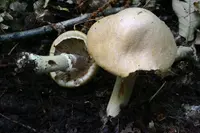
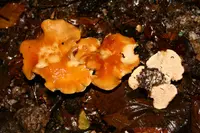
Terracotta hedgehog (Hydnum rufescens) is a small, fleshy, tooth fungus rather than a leafy plant. It forms compact, irregular caps in warm terracotta to salmon tones, with soft spines instead of gills on the underside. These spines release spores and give the hedgehog name.

It typically appears on soil or moss in coniferous and mixed forests, often in groups, in temperate regions of Europe, North America, and parts of Asia. The species is generally regarded as edible in the wild, but correct identification is essential.

For those who want to care for Terracotta Hedgehog in cultivation, it behaves more like a forest mushroom, relying on partnership with tree roots and preferring cool, moist, well-drained, humus-rich conditions.

Main Plant Requirements

Care Difficulty

Hard Care

Light Preference

Partial Shade

Water Requirements

Keep Soil Moist

Temperature Preference

Cool Climate

Hardiness Zone

Unknown

Soil Texture

Loamy, Peaty, Organic-rich

Soil pH

Strongly acidic (4.5–5.5), Acidic (5.5–6.5)

Soil Drainage

Moist but well-drained

Fertilization

Minimal (feed rarely)

Get Personalized Care Plan

Scan your plant to receive care tips personalized for your specific plant

Available on iOS and Android

How to Care for the Terracotta Hedgehog

Hydnum rufescens prefers cool, dappled woodland-style light rather than strong direct sun.

  • Aim for 2–4 hours of soft morning sun with bright, filtered light for the rest of the day under trees or light canopy shade.
  • Provide partial to full shade in summer; protect Terracotta Hedgehog from direct midday and afternoon sun to prevent drying and heat stress.
  • In open sites, use leaf litter, shrubs, or shade cloth to mimic forest cover, especially during late spring to early autumn when sunlight is strongest.

Hydnum rufescens needs consistently moist but not waterlogged conditions in humus-rich forest soil.

  • Maintain evenly damp soil to 5–8 cm depth; surface may dry slightly between natural rains but deeper layers should stay moist.
  • In dry periods, water when the top 2–3 cm of soil feels dry, using slow, gentle soaking so excess drains away and puddles do not persist.
  • Watch for signs of overwatering such as sour smell, standing water, or slimy debris, and underwatering signs like hard, cracked soil and shrinking fruiting bodies.

This woodland fungus thrives in cool to mild temperatures and declines in extended heat or hard frost.

  • Optimal fruiting occurs around 50–65°F (10–18°C), typical of late summer to autumn conditions in many temperate forests.
  • Mycelium in soil tolerates down to about 23–28°F (-5 to -2°C) for short periods, but repeated hard freezes can reduce future fruiting.
  • Sustained heat above 77°F (25°C), especially when combined with dry soil, shortens fruiting life; provide shade and moisture during hot spells.

This ectomycorrhizal fungus needs consistently moist, cool air to fruit well, especially under cultivation attempts.

  • Aim for 70–90% humidity, mimicking a shaded forest floor under conifers where Terracotta Hedgehog naturally develops.
  • It tolerates only brief dips to 50–60% before caps dry, edges curl, and spines become brittle.
  • Increase humidity with enclosed, shaded outdoor setups, damp leaf litter, and occasional misting of the surrounding environment, not directly soaking the fruiting bodies.

Hydnum rufescens develops best in loose, humus-rich forest-type substrates that stay moist yet never waterlogged.

  • Use a mix based on decomposed conifer litter, fine bark, and leaf mold to mimic natural forest duff and support mycorrhizal association.
  • Ensure rapid drainage by blending in coarse sand or fine grit so water drains within minutes rather than pooling.
  • Maintain a slightly acidic to neutral reaction around pH 5.0–6.5, avoiding lime additions that push the mix alkaline.
  • Avoid compacted, peat-only, or heavy clay-based mixes that restrict gas exchange and hold stagnant moisture around the developing mycelium.

This species is generally unsuitable for long-term container growing, as it depends on ectomycorrhizal partnership with living trees, which is difficult to sustain in pots.

Hydnum rufescens, often called Terracotta Hedgehog, generally needs minimal fertilization when growing in suitable woodland soil.

  • In outdoor woodland beds, rely mainly on natural leaf litter and well-rotted compost rather than synthetic fertilizers.
  • If growing near trees in a garden, top-dress with a thin layer of compost once in spring to support soil life.
  • Avoid high-nitrogen or strong chemical fertilizers, which can disturb the fungal–root partnership and reduce fruiting.
  • Do not fertilize during winter or dry dormant periods, when the fungus is not actively producing new growth.

Hydnum rufescens does not require pruning in the usual plant sense, but fruiting bodies benefit from careful harvesting.

  • Harvest mushrooms with a clean knife, cutting at the base to limit disturbance to the underground mycelium.
  • Remove old, decaying fruiting bodies with scissors if they become waterlogged or moldy, reducing disease spread.
  • Avoid raking, digging, or cutting tree roots in the fruiting area, as this disrupts the fungus–tree association.
  • Do not trim or damage overstory host trees, since canopy health directly influences future mushroom production.

Hydnum rufescens is a mycorrhizal forest fungus and is not suited to traditional container culture or frequent transplanting.

  • Treat movements as habitat establishment rather than repotting, focusing on placing suitable host trees in appropriate, undisturbed soil.
  • Choose early spring or early fall to plant young host trees, when soil is cool and moist, minimizing transplant stress.
  • Avoid disturbing roots once planted; do not lift or divide soil around the colonized root zone, as this damages the fungal network.
  • If moving soil or inoculated seedlings, keep roots shaded and moist, and replant promptly to reduce mycelium desiccation and shock.

Propagation of Hydnum rufescens is specialized and usually attempted only by experienced growers or researchers.

  • The fungus relies on mycorrhizal association with suitable host trees, so propagation focuses on inoculating young tree seedlings.
  • Use spore slurries or colonized soil placed around compatible tree roots in cool, well-drained, slightly acidic woodland soil.
  • Best attempts occur in early spring or fall, when soil moisture is stable and temperatures are moderate.
  • Maintain low disturbance, leaf litter cover, and avoidance of fungicides to help the inoculated mycelium establish over several seasons.

Hydnum rufescens is naturally cold hardy in its native forest habitats and generally needs no special winter care.

  • Allow a natural layer of leaf litter to remain over the root zone to insulate soil and support soil organisms.
  • Avoid deep cultivation, heavy foot traffic, or snow compaction where host tree roots and mycelium are present.
  • Container-grown host trees, if any, should be overwintered in a sheltered, frost-free but cool location to protect roots.

Care Tips

Encourage mycelium spread

When establishing beds, mix fresh hardwood sawdust or fine wood chips into the top 5–10 cm of soil under mature conifers to provide a continuous food source for the mycelium and improve long‑term fruiting.

Maintain host trees

Monitor and maintain the health of nearby conifer hosts (especially spruce and pine) through proper mulching and minimal soil disturbance, since stable, vigorous trees support more reliable mushroom production.

Minimize soil compaction

Keep foot traffic, heavy pots, and equipment away from the fruiting area to avoid compacting the soil, which restricts air flow to the mycelium and can sharply reduce yields when caring for Terracotta Hedgehog.

Use natural shade

Site planting or inoculation zones on the north or east side of buildings, hedges, or tree lines so mushroom primordia are shielded from drying sun and wind during the fruiting season.

Time harvest correctly

Harvest when the spines are fully formed but still pale and flexible, cutting cleanly at the base with a knife to limit disturbance to the underlying mycelium and encourage repeat flushes.

Common Pests and Diseases

Slug grazing

This pest feeds on young, tender fruiting bodies and mycelial mats, leaving ragged edges and surface scarring. Symptoms include missing sections of caps, slime trails, and shallow pits in the mushroom tissue.

Solution

Hand-pick slugs in the evening, use physical barriers such as copper tape or rough mulch around the fruiting zone, and reduce dense groundcover that shelters them. In wetter areas, beer traps or iron-phosphate slug baits placed away from the main fruiting zone help limit damage while keeping the mycelium habitat undisturbed.

Springtail feeding

These insects live in moist forest litter and can concentrate on Hydnum primordia and very young caps, causing pitting and rough, sandpaper-like surfaces. This pest is most active in overly wet, compacted litter where fungal growth is dense.

Solution

Improve drainage and leaf-litter structure so the habitat is moist but not waterlogged, and gently lift or loosen packed needles or leaves above the mycelium. If damage is heavy in a confined growing bed, reduce organic debris thickness and, if still problematic, use targeted soil-drench products based on beneficial nematodes to reduce springtail numbers without harming the fungus.

Mycophagous fly larvae

These insects lay eggs in developing fruiting bodies, and the larvae tunnel through the cap and stem. Symptoms include soft, spongy tissue, small exit holes, and rapid decomposition from the inside out.

Solution

Harvest mushrooms promptly once they reach usable size and remove any heavily infested fruiting bodies from the site to reduce breeding. Fine insect mesh over small cultivation beds and maintaining good air movement across the fruiting area lower egg-laying and larval success while allowing the mycelium to continue growing in the soil or substrate.

Mold contamination

This disease appears as fuzzy white, green, or gray patches colonizing the same substrate, competing with Hydnum mycelium. Symptoms include stalled or distorted fruiting, off odors, and visible mold mats on soil, wood, or litter surfaces.

Solution

Remove and discard heavily contaminated substrate and any obviously moldy material, then reduce excessive moisture and improve airflow at the fruiting site. For small managed beds, rebuild substrate with clean, well-drained material and avoid overwatering, keeping moisture in the 50–70% range so the fungus remains active but surface mold growth is discouraged.

Bacterial soft rot

This disease causes localized wet, slimy, and foul-smelling patches on caps and spines, often starting where insects or debris have damaged the surface. Symptoms include water-soaked spots that quickly collapse and spread under humid, stagnant conditions.

Solution

Harvest and discard affected mushrooms as soon as soft, smelly areas appear, and avoid leaving damaged fruiting bodies in place. Improve air movement at ground level, limit overhead watering in cultivation beds, and gently remove leaf litter that traps standing moisture directly against developing mushrooms to reduce future bacterial outbreaks.

Interesting Facts

Distinct reddish spines

This fungus produces soft, downward-pointing spines instead of gills, with a characteristic warm reddish to pinkish-orange tint that helps distinguish it from the paler Hydnum repandum.

Mycorrhizal woodland partner

It forms ectomycorrhizal associations with conifers and sometimes broadleaf trees in temperate forests, exchanging mineral nutrients from the soil for sugars produced by the host tree.

Wide but patchy range

The species occurs across parts of Europe, Asia, and North America, but typically appears in scattered, localized colonies rather than forming continuous populations.

Botan icon

Did you know?

Hydnum rufescens is considered a good edible hedgehog mushroom in several European field guides and is sometimes collected as a smaller, more colorful counterpart to Hydnum repandum, valued for its firm texture and mild taste when properly cooked.

FAQs about Terracotta Hedgehog

This fungus is considered an edible wild mushroom when correctly identified and harvested from clean areas. It has a firm texture and mild flavor. Only experienced foragers should collect it, since misidentification of mushrooms can be dangerous.

Grow Healthy Plants with Botan Care

Keep your plants happy and healthy with plant identification, disease detection, and easy care guidance.

Botan plant care app — identify plants on mobile

Explore More Plants