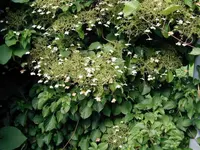




Best Soil for Climbing hydrangea (Hydrangea petiolaris)

Hydrangea petiolaris grows best in moisture-retentive, well-drained soil with a slightly acidic reaction that supports steady root health.

Soil Texture

Loamy, Clay, Organic-rich

Soil pH

Acidic (5.5–6.5), Slightly acidic (6.5–7.0)

Soil Drainage

Moist but well-drained

Hydrangea petiolaris Soil Guide

Native to wooded parts of Japan, Korea, and far eastern Russia, Hydrangea petiolaris grows where soil stays evenly moist from leaf litter and shade. That background explains its preference for organic-rich ground that holds moisture without becoming stagnant or airless.

The best soil for Climbing hydrangea is loamy to clay-loam, with steady moisture, good structure, and a slightly acidic to acidic reaction. Its roots benefit from soil that stays cool and buffered by organic matter, while still draining well enough to keep oxygen around the root zone.

A simple custom mix helps Hydrangea petiolaris keep the even root-zone moisture it prefers without becoming heavy or airless.

100% total mix = 20 scoops
10%
perlite or pumice2 scoops
20%
pine bark fines4 scoops
30%
loam-based garden soil6 scoops
40%
high-quality compost or leaf mold8 scoops

The finished blend should feel soft, crumbly, and slightly springy, holding moisture evenly while excess water moves through at a moderate pace.

A good target for Climbing hydrangea is 5.5–6.8 pH. It prefers acidic to slightly acidic soil, where iron, manganese, and other key nutrients stay more available to the roots.

It can handle a mildly near-neutral mix, but strongly alkaline soil may gradually limit nutrient uptake. A simple pH test is useful when growth seems slower than expected or the site has naturally limey ground.

This species usually responds best to stable root conditions. When the soil shifts too far from that balance, stress may develop gradually rather than all at once.

Compacted soil:

Heavy, pressed soil can limit air around roots and slow establishment, so loosen the top layer gently and work in organic material if the site allows.

Waterlogged root zone:

Soggy soil that stays wet for long periods may contribute to root decline, so check drainage first and reduce sources of standing moisture.

Dry, crusted surface:

If the top becomes hard and water runs off, the mix may be drying unevenly, so re-wet slowly and add a moisture-buffering top layer.

High-pH soil:

Climbing hydrangea may struggle to use nutrients efficiently in overly alkaline ground, so test pH before making any broad soil changes.

Scan for Soil Tips

Botan can help identify the plant and guide a more suitable soil choice based on how this species typically grows.

FAQ

Usually yes. Improving the planting area with organic matter helps create a looser, more moisture-balanced root zone, especially if native soil is dense clay or dries hard. Avoid replacing all surrounding soil with a sharply different texture.

More Plant Soil Guides

Wrong Soil? Check It.

Use Botan’s photo check to see whether poor soil conditions could be part of the issue and what to review next.

Botan app helping with soil and plant care
How to Bottom Water Plants: Complete Guide

6 min read · 13 Jul 2026

How to Bottom Water Plants: Complete Guide

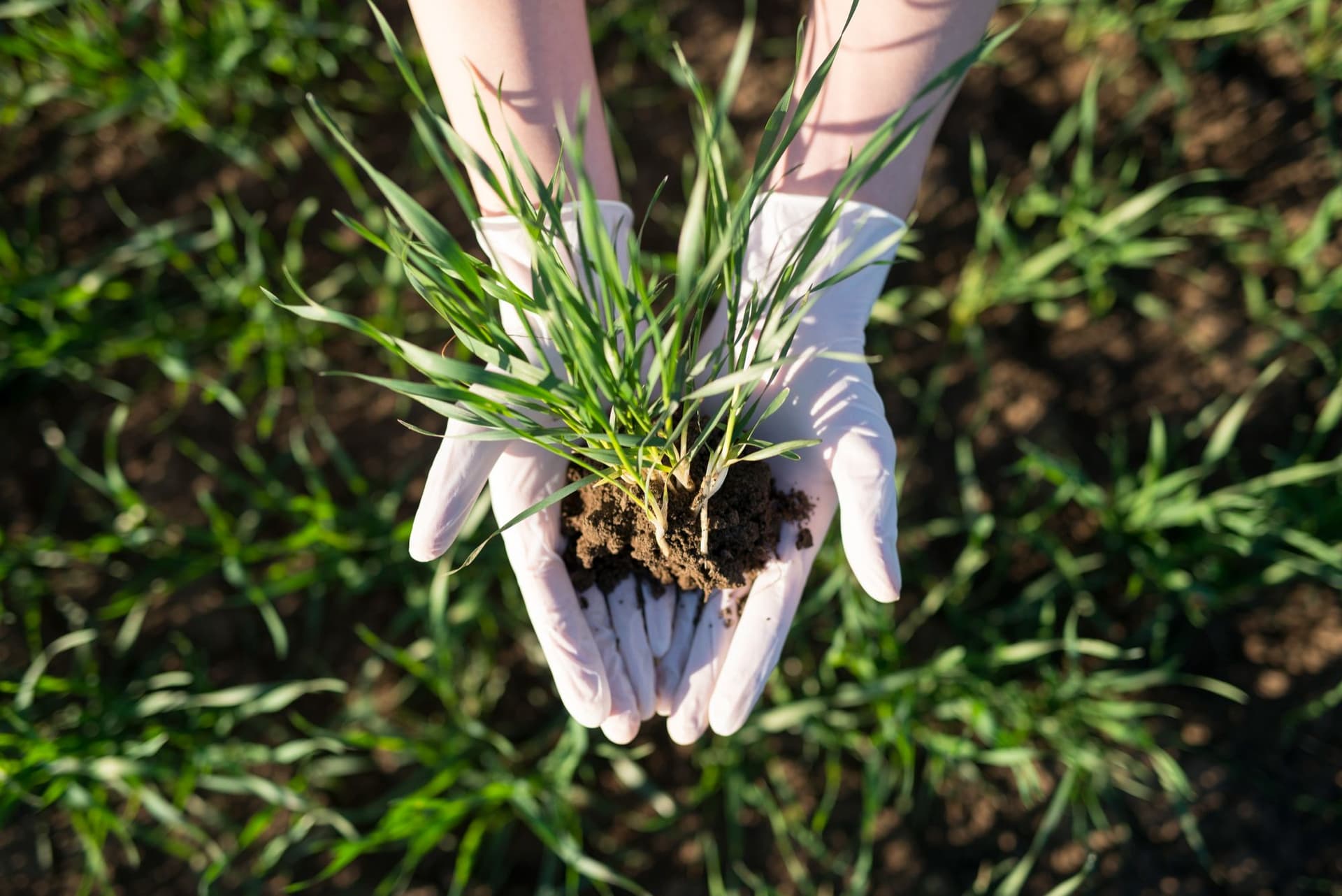
Bottom watering helps soil absorb moisture evenly and keeps foliage dry, reducing the risk of missed dry spots or root problems. Place the pot in a tray of water for a short time, then let it drain well.

Plant Care
How to Bottom Water Plants: Complete Guide
Planting Grass Seed in Summer – What Works and What Fails

7 min read · 6 Aug 2026

Planting Grass Seed in Summer – What Works and What Fails

Summer seeding succeeds when the grass type suits the season, and the soil stays moist. Find out how to prepare the seedbed and choose a safe window for planting.

Plant Care
Planting Grass Seed in Summer – What Works and What Fails
How to Use a Moisture Meter for Plants

5 min read · 4 Sept 2026

How to Use a Moisture Meter for Plants

Watering by feel kills plenty of houseplants. A moisture meter checks the soil for you, and takes the guesswork out of it. This guide will show you how to use it correctly, from the first touch to the final reading.

Beginner Guides
How to Use a Moisture Meter for Plants