Spring crown division
Divide mature clumps in early spring just as new shoots emerge, replanting sections at the same depth with plenty of leaf mulch to quickly expand a colony and keep plants vigorous.

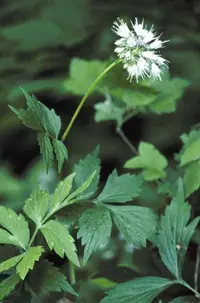
Eastern waterleaf, Hydrophyllum virginianum, is a woodland perennial native to eastern and central North America. It forms low clumps of divided, soft green leaves that often show pale, water-stain-like markings.
In spring to early summer it sends up short stems with clusters of small, bell-shaped, pale lavender to white flowers that attract pollinators. The plant naturally grows in moist, shaded forests and along stream banks.
It tends to spread gently by self-seeding and shallow roots, forming loose colonies under trees. Once established in suitable shade and consistently moist, humus-rich soil, it is fairly low-maintenance, and understanding how to care for eastern waterleaf mainly involves providing stable moisture and protection from intense sun.

Care Difficulty
Easy Care

Light Preference
Partial Shade

Water Requirements
Regular Water

Temperature Preference
Cold Hardy

Hardiness Zone
3–8

Soil Texture
Loamy, Silty, Organic-rich

Soil pH
Acidic (5.5–6.5), Slightly acidic (6.5–7.0)

Soil Drainage
Moist but well-drained

Fertilization
Minimal (feed rarely)
Scan your plant to receive care tips personalized for your specific plant
Available on iOS and Android
This woodland perennial prefers cool, shaded conditions that mimic its native forest habitat.
This species thrives in consistently moist, humus-rich soils that never dry out completely.
This cool-season woodland plant favors mild temperatures and tolerates typical outdoor fluctuations in temperate climates.
This woodland perennial prefers steadily moist air but copes with a typical home range.
Hydrophyllum virginianum grows best in loose, humus-rich soil that holds moisture yet drains freely.
This species can adapt to container culture if the pot supports its shallow, spreading roots.
Hydrophyllum virginianum is a woodland perennial that needs only light feeding in average garden soil.
Hydrophyllum virginianum needs only light pruning to keep the clump tidy and healthy.
This species is usually grown in the ground, so care focuses on thoughtful transplanting rather than frequent repotting.
Hydrophyllum virginianum is commonly propagated by division or by seed to expand groundcover patches.
This woodland perennial is cold hardy in much of the US and usually needs minimal winter attention outdoors.

Plant Health Check
Not sure what's wrong with your plant? Check your plant's health inside the app.
This species is a spring ephemeral, leafing out and blooming in early spring before the forest canopy closes, then fading back as light levels drop in late spring to early summer.
Young leaves often show pale, irregular blotches that look like water stains, a trait that inspired the common name waterleaf and is especially noticeable before the foliage fully matures.
Its clusters of pale violet to white, bell-shaped flowers provide nectar and pollen for early-season bees, small flies, and other insects when few other woodland plants are in bloom.

The genus name Hydrophyllum refers to its moisture-loving foliage, and in the wild this species is strongly associated with rich, mesic deciduous forests and stream-adjacent slopes across eastern North America, making it a good indicator of relatively undisturbed woodland habitat.
This species spreads steadily by short rhizomes and self-seeding, forming loose colonies over time. It is usually manageable in shade gardens if given 30–45 cm between plants and monitored for unwanted seedlings.
Keep your plants happy and healthy with plant identification, disease detection, and easy care guidance.