

Sterilize Substrate
Before inoculation, steam or oven-sterilize the chosen substrate to 160–180°F for 30–60 minutes to lower competing fungi and bacteria that can overwhelm Hydropisphaera peziza mycelium.

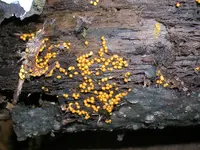
Yellow spot, Hydropisphaera peziza, is not a typical leafy houseplant but a small cup fungus that appears on decaying wood or plant debris. It usually forms clustered, shallow, disc-like cups with yellow to orange tones, adding a subtle accent to damp, shaded habitats.
This species occurs mainly in forested or wooded areas where moisture is steady and organic matter is abundant. It is not commonly cultivated, but understanding how to care for yellow spot focuses on maintaining consistently moist, organic-rich conditions and avoiding disturbance to its natural substrate.

Care Difficulty
Moderate Care

Light Preference
Partial Shade

Water Requirements
Moderate Water

Temperature Preference
Warm Climate

Hardiness Zone
Unknown

Soil Texture
Loamy

Soil pH
Slightly acidic (6.5–7.0)

Soil Drainage
Well-drained

Fertilization
Minimal (feed rarely)
Scan your plant to receive care tips personalized for your specific plant
Available on iOS and Android
Hydropisphaera peziza prefers soft, filtered forest light rather than direct sun exposure.
Hydropisphaera peziza develops best on consistently moist but not saturated organic substrates.
Stable, mild conditions support reliable development and spore production in this species.
This fungus prefers consistently moist air but usually adapts to 50–70% humidity around infected plant material.
Hydropisphaera peziza develops on plant debris or substrate that stays moist yet not waterlogged.
This species can be maintained in shallow containers mainly for observation or research rather than ornamental display.
Hydropisphaera peziza is usually self-sufficient and only needs light feeding in nutrient-poor or disturbed sites, useful when caring for yellow spot.
Hydropisphaera peziza requires minimal pruning, mainly to maintain hygiene and manage appearance around host wood or substrate.
Hydropisphaera peziza is rarely grown in pots, so care focuses on transplanting or managing colonized wood or substrate outdoors.
Hydropisphaera peziza is not commonly propagated in home settings and is usually left to spread naturally on suitable host material.
Hydropisphaera peziza is generally cold hardy in temperate climates and needs little specific winter care.

Plant Health Check
Not sure what's wrong with your plant? Check your plant's health inside the app.
This species forms very small, shallow, cup-shaped fruiting bodies (apothecia) that are often only a few millimeters across and can be overlooked without close inspection.
Hydropisphaera peziza occurs on decaying wood and bark, where it contributes to the breakdown of lignocellulose, helping recycle nutrients back into forest ecosystems.
The asci of this fungus produce hyaline (transparent) spores that appear white in mass, a common feature used by mycologists to help recognize members of this genus in the field and in the lab.
This species performs best outdoors in cool, shaded, consistently moist environments with plenty of decaying wood. Indoors it is difficult to maintain the stable humidity, airflow, and natural substrate it needs, so yellow spot indoor care is rarely successful.
Keep your plants happy and healthy with plant identification, disease detection, and easy care guidance.

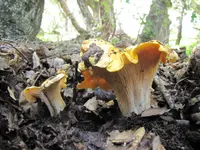
California Golden Chanterelle
Cantharellus californicus
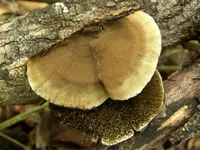
Cerrena hydnoides
Cerrena hydnoides
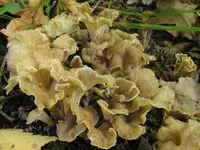
blackening chanterelle
Cantharellus melanoxeros
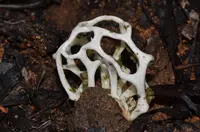
smooth cage fungus
Ileodictyon gracile
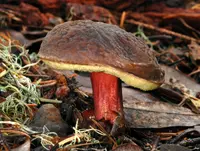
Zeller's bolete
Xerocomellus zelleri
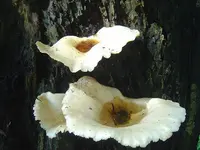
Flat Crep
Crepidotus applanatus
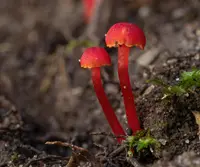
Vermilion Waxcap
Hygrocybe miniata
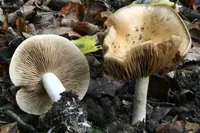
Poison Pie
Hebeloma crustuliniforme