Butter Waxcap Care (Hygrocybe ceracea)

Butter Waxcap

About Butter Waxcap

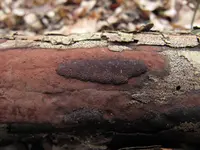
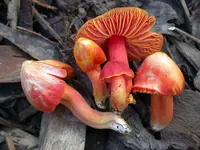
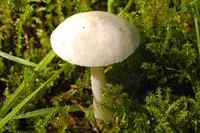
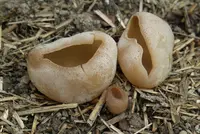
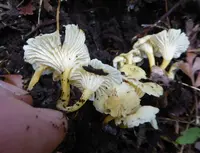
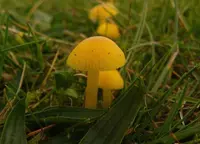
Butter waxcap, Hygrocybe ceracea, is a small grassland mushroom rather than a typical houseplant. It produces smooth, waxy caps in yellow to pale orange tones, often with a slightly greasy look. Caps and stems are usually slender and delicate, appearing in scattered groups rather than dense clusters.

This species is native to Europe and is most often found in old, unimproved meadows and lawns with low nutrient levels. It relies on specific soil conditions and long-term grassland management, which makes it difficult to cultivate intentionally. For those interested in how to care for Butter Waxcap, the focus is usually on maintaining suitable habitat outdoors rather than growing it in pots or indoor setups.

Main Plant Requirements

Care Difficulty

Hard Care

Light Preference

Partial Shade

Water Requirements

Keep Soil Moist

Temperature Preference

Cool Climate

Hardiness Zone

Unknown

Soil Texture

Loamy, Silty, Organic-rich

Soil pH

Strongly acidic (4.5–5.5), Acidic (5.5–6.5)

Soil Drainage

Moist but well-drained

Fertilization

Minimal (feed rarely)

Get Personalized Care Plan

Scan your plant to receive care tips personalized for your specific plant

Available on iOS and Android

How to Care for the Butter Waxcap

This grassland fungus prefers cool, soft light rather than strong, direct sun.

  • Provide 2–4 hours of gentle morning sun with bright, open shade or dappled light for the rest of the day in short grass or meadow settings.
  • Tolerates light, shifting shade from grasses or low vegetation; avoid dense shade that prevents fruiting bodies of Butter Waxcap from forming.
  • Protect from harsh midday and afternoon sun, which can dry the turf and fruiting layer too quickly, especially in late summer and early autumn.

This species depends on consistently moist but not waterlogged grassland soil.

  • Aim for soil that feels evenly moist 2–5 cm below the surface during the main fruiting season, usually autumn in temperate regions.
  • Encourage free drainage; water or rely on rainfall so the soil dries only slightly between events, avoiding standing water that promotes rot and reduces Hygrocybe ceracea fruiting.
  • Watch for signs of stress: pale, shriveling caps suggest drying soil, while slimy, collapsing fruiting bodies indicate overly wet, compacted ground.

This waxcap fruits best in cool to mild conditions typical of autumn grasslands.

  • Optimal fruiting occurs around 50–60°F (10–16°C); mild day–night fluctuations support steady development of caps and stems.
  • The mycelium in soil tolerates cooler periods down to about 32°F (0°C), but repeated hard freezes below this can reduce visible fruiting.
  • Prolonged heat above 77°F (25°C) and dry conditions limit fruiting; cooler, moist spells following summer heat often trigger the main flush.

This fungus prefers consistently moist, cool air but does not require strict humidity control outdoors.

  • Aim for 70–90% humidity in its grassland microhabitat by avoiding exposed, wind-dried spots.
  • Butter Waxcap shows humidity stress as shrunken, rapidly drying caps and brittle stems after short dry spells.
  • Increase local humidity by maintaining dense, unmown grass around fruiting areas and avoiding raking that exposes bare soil.

This grassland fungus relies on undisturbed, low-nutrient turf rather than conventional potting substrates.

  • Hygrocybe ceracea favors fine-textured, short turf over thin, often compact mineral soil with a well-developed moss or thatch layer.
  • Target slightly acidic to neutral conditions, roughly pH 5.5–7, avoiding liming or heavy fertilization that shifts the chemistry.
  • Maintain relatively open, free-draining soil by minimizing traffic and compaction while keeping the sward dense enough to shade the surface lightly.
  • Avoid adding rich compost, manure, or high-nitrogen fertilizers, which disrupt the low-nutrient conditions this waxcap community depends on.

This species is not suitable for conventional container growing, as its ecology depends on intact grassland soil and turf structure.

This grassland fungus typically thrives in low-nutrient soils and does not benefit from routine fertilization.

Hygrocybe ceracea does not require structured pruning, but minor tidying can help maintain a healthy colony.

  • Remove only clearly decayed, moldy, or insect-infested fruiting bodies to limit disease spread.
  • Use clean scissors or a sharp knife to cut mushrooms at the base rather than pulling them up.
  • Avoid disturbing surrounding soil or moss, which contains the fungal mycelium needed for future growth.

This species is usually left in situ, since the fungus relies on stable soil conditions and complex ecological relationships.

  • Transplanting Hygrocybe ceracea from wild sites is rarely successful and not recommended for conservation reasons.
  • If moving turf that contains this fungus, do so in cool, moist weather to reduce stress on the underground mycelium.
  • Lift and replace intact sod sections with minimal soil disturbance, keeping orientation and depth the same.
  • Water lightly after relocation to settle soil, then avoid fertilizing or heavy traffic over the area.

Reproducing this waxcap is complex and not usually attempted by home growers, as it depends on specific grassland ecosystems.

  • Propagation in cultivation is experimental and typically relies on spore dispersal into suitable, unfertilized grassland.
  • Maintain short, low-nutrient turf with minimal disturbance to encourage natural colonization over time.
  • Avoid pesticides and high-phosphorus or high-nitrogen inputs that disrupt the soil community needed for fruiting.
  • Document any suspected new colonies, as caring for Butter Waxcap habitats supports wider grassland biodiversity.

In its natural range, this waxcap is cold hardy and needs no special winter protection.

  • Mycelium in the soil tolerates typical winter frosts as long as drainage is good.
  • Leave leaf litter and short grass cover undisturbed to insulate the soil surface.
  • For lawn habitats, avoid winter compaction from heavy foot traffic or machinery over known fruiting areas.

Care Tips

Habitat-style patch

Establish a low-nutrient grass patch by stopping fertilizer use, mowing high, and removing clippings so the fungi can fruit more reliably in a stable, unimproved sward.

Gentle foot traffic

Allow only light, occasional foot traffic over known fruiting spots, which helps keep competing vegetation short without compacting the soil excessively.

Minimal soil disturbance

Avoid digging, aerating, or topdressing the turf where the fungi appear, since disturbing the soil profile can disrupt the underground mycelium and reduce future fruiting.

Careful mowing routine

Flag or mark fruiting areas and mow these sections less often and slightly higher, then cut only after caps have finished releasing spores so colonies can expand over time.

Selective moss management

Manage moss only if it completely smothers short grass, using gentle hand removal rather than chemical treatments, to maintain the low-competition environment that supports growing Butter Waxcap.

Common Pests and Diseases

Slime mould colonization

This disease appears as slimy, often brightly colored patches that develop on or around the fruiting bodies and surrounding organic matter. Symptoms include rapid softening, distortion, and eventual collapse of the waxcap caps and stems.

Solution

Remove and dispose of affected fruiting bodies and the surrounding slimy material promptly to reduce spore spread. Improve surface drainage and reduce heavy organic debris so that caps dry more quickly, and avoid overhead watering or excessive site disturbance in areas where Hygrocybe ceracea is fruiting.

Parasitic fungi

This disease is caused by other fungi that invade the fruiting bodies, leading to misshapen, discolored, or prematurely decaying caps and stems. Symptoms include localized dark spots, fuzzy or crusty growths, and rapid breakdown of the mushroom tissue.

Solution

Gently collect and discard parasitized mushrooms as soon as they are noticed to limit spore buildup. Maintain a more open sward or low ground vegetation around the colony, avoid compacting the soil, and keep the site free from heavy mulch layers to discourage persistent parasitic fungal growth near the waxcap mycelium.

Fungus gnat larvae

These insects lay eggs in moist, organic-rich soil and the larvae tunnel through developing fruiting bodies and surrounding mycelium. Symptoms include small holes, internal galleries, and rapid decay of caps and stems, often with visible tiny maggots inside.

Solution

Remove and discard damaged fruiting bodies and reduce excess surface moisture to make conditions less favorable for egg laying. Where practical, use fine mesh or fabric barriers over small, cultivated waxcap patches during peak gnat activity, and limit decomposing plant material that can support high fungus gnat populations nearby.

Interesting Facts

Waxy yellow cap

This species is characterized by a smooth, distinctly waxy cap that is usually bright yellow to golden, often becoming paler and slightly translucent with age or in wet conditions.

Grassland specialist

It typically occurs in unimproved, low-nutrient grasslands and lawns, especially in old, traditionally managed meadows where fertilizers and intensive disturbance are minimal.

Indicator of habitat quality

In Europe, this fungus is often regarded as one of several waxcap species used as indicators of long-established, semi-natural grasslands, helping conservationists identify sites of high biodiversity value.

FAQs about Butter Waxcap

This waxcap is generally regarded as inedible or of no culinary value. Identification of grassland fungi is challenging, and look-alikes may be harmful. For safety, avoid eating it and treat it as a non-food species.

Grow Healthy Plants with Botan Care

Keep your plants happy and healthy with plant identification, disease detection, and easy care guidance.

Botan plant care app — identify plants on mobile

Explore More Plants