Splendid Waxcap Care (Hygrocybe splendidissima)

Splendid Waxcap

About Splendid Waxcap

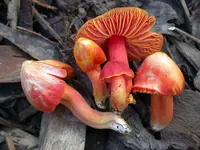
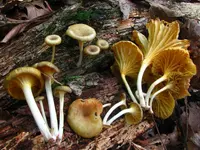
The splendid waxcap, Hygrocybe splendidissima, is a small grassland mushroom rather than a leafy houseplant. It produces slim, bright red to orange caps with a waxy, often glossy surface and slender pale stems. Fruit bodies usually appear scattered or in small groups.

This species is native to Europe and is most often found in unimproved, low-nutrient grasslands such as old pastures, lawns, and parkland. It is considered a habitat specialist and can be difficult to encourage, so attempts to care for Splendid Waxcap at home are rarely successful.

It prefers short, mossy turf, undisturbed soil, and consistently moist but not waterlogged conditions, typically in cool, humid climates.

Main Plant Requirements

Care Difficulty

Hard Care

Light Preference

Partial Shade

Water Requirements

Regular Water

Temperature Preference

Cool Climate

Hardiness Zone

Unknown

Soil Texture

Loamy, Silty, Organic-rich

Soil pH

Strongly acidic (4.5–5.5), Acidic (5.5–6.5)

Soil Drainage

Moist but well-drained

Fertilization

Minimal (feed rarely)

Get Personalized Care Plan

Scan your plant to receive care tips personalized for your specific plant

Available on iOS and Android

How to Care for the Splendid Waxcap

This grassland fungus prefers cool, soft light and avoids harsh direct sun in its natural habitat.

  • Provide bright, open shade or very light dappled sun, such as the filtered light under short grass, avoiding more than 1–2 hours of direct midday summer sun.
  • Allow 2–4 hours of low-angle morning or late-afternoon sun in cooler seasons; in midsummer, favor consistent light shade to prevent caps from drying and bleaching.
  • If fruiting bodies of Splendid Waxcap appear small, pale, or sparse, light may be too weak; if caps crack, fade, or dry rapidly, exposure is likely too intense.

This waxcap relies on consistently moist but not waterlogged soil conditions around its grassland habitat.

  • Aim for soil that feels evenly moist 2–5 cm below the surface, with no standing water; slow, deep moisture is preferred over frequent surface wetting.
  • Ensure the site drains freely; pooling water, sour odors, or slimy bases of fruiting bodies indicate overwatering or poor drainage for Hygrocybe splendidissima.
  • In dry periods, water when the upper 2–3 cm of soil feel dry, reducing watering in cool, wet seasons; shriveling caps suggest dryness, while mushy, collapsing caps signal excess moisture.

This species thrives in cool to mild conditions typical of autumn grasslands.

  • Optimal fruiting occurs around 50–60°F (10–16°C), with stable cool temperatures supporting longer-lasting caps and better color.
  • The fungus tolerates brief drops near 32°F (0°C) but prolonged hard frost below 28°F (-2°C) can damage or halt fruiting until conditions warm.
  • Sustained heat above 75°F (24°C), especially with dry air, shortens cap life and can prevent fruiting, so peak displays usually occur in cool, moist seasons.

This fungus prefers consistently moist, cool air but does not need tightly controlled humidity when grown outdoors in suitable habitats.

  • Aim for ambient humidity around 60–80% in shaded, grassy sites to support reliable fruiting.
  • Dry, exposed, windy spots that desiccate soil and grass quickly reduce the chance of Splendid Waxcap mushrooms appearing.
  • Signs of humidity stress include caps that crack or shrivel rapidly after emergence and very short-lived fruiting bodies.
  • To raise local humidity, maintain dense, unmown turf around the site and avoid removing surrounding vegetation that shelters the ground.

This grassland mushroom requires undisturbed, low-nutrient turf rather than conventional potting or garden soil.

  • Hygrocybe splendidissima typically fruits in short, fine-textured grass over firm, well-drained mineral soils with a thin organic layer.
  • Fruiting is favored where drainage is free yet the upper few cm stay evenly moist, not waterlogged or muddy after rain.
  • It is associated with low-fertility conditions; avoid manure, high-compost mixes, heavy fertilization, and thick mulch layers that enrich the soil.
  • If attempting cultivation, mimic unimproved pasture by using a sandy or loamy mineral subsoil with only a light topping of low-nutrient turf.

This species is not realistically suitable for container growing because it depends on stable, established grassland soil conditions that are hard to reproduce in pots.

This grassland fungus grows in naturally nutrient-poor soils and generally should not be fertilized.

Hygrocybe splendidissima does not need structured pruning; only minimal tidying is useful in managed sites.

  • Remove spent or decaying fruiting bodies with clean hands or a knife to limit slug damage and mold spread.
  • Avoid cutting surrounding grass too short; a slightly higher sward supports the fungus’s mycelium in the soil.
  • Do not dig, scarify, or heavily rake around fruiting areas, as this disturbs the underground fungal network.

This waxcap is not a conventional potted plant and is rarely repotted; management focuses on transplanting or conserving its grassland habitat.

  • Avoid moving clumps, as the mycelium forms an extensive network in undisturbed, low-nutrient turf.
  • If relocation is unavoidable, transfer intact turves (10–15 cm deep) during cool, moist weather in autumn.
  • Keep turves evenly moist after moving, and shade from strong sun to reduce desiccation stress on the fungal threads.
  • Monitor for at least 1–2 years, since re-establishment and fruiting can be slow after disturbance.

Propagation of Hygrocybe splendidissima in gardens is challenging and not routinely performed.

This species is cold hardy in temperate climates and usually needs no special winter care beyond habitat protection.

  • Allow natural grass cover to remain over the fruiting site to buffer soil temperature and moisture.
  • Avoid winter fertilization, reseeding with vigorous turf mixes, or heavy traffic that compacts wet soils.
  • Container culture is not recommended; maintain the fungus in open, undisturbed, low-nutrient lawn or meadow areas.

Care Tips

Site hygiene

Remove and discard spent fruiting bodies and surrounding debris promptly to reduce spore load of competing fungi and potential pathogens in the waxcap patch.

Moss-rich companion

Encourage a low mossy turf by mowing high and avoiding heavy feeding of the grass, as waxcaps often fruit more reliably in short, unfertilized grass with a thin moss layer.

Soil compaction control

Limit foot traffic and machinery on the fruiting area, and if compaction occurs, gently aerate with a hand fork rather than deep digging to protect the fungal mycelium network.

Chemical-free zone

Maintain a no-herbicide and no-fungicide buffer around the waxcap site, since broad-spectrum products can suppress or kill the Hygrocybe splendidissima mycelium and its associated grassland community.

Long-term monitoring

Photograph and map fruiting spots each season when growing Splendid Waxcap, as multi-year records help track how mowing schedule, moisture, and management changes affect its productivity.

Common Pests and Diseases

Slug grazing

This pest feeds on the fruiting bodies, removing caps and gills and leaving ragged bite marks and slime trails on the mushrooms. Symptoms include missing sections of the cap, irregular holes, and silvery mucus on and around the fruiting area.

Solution

Hand-pick slugs in the evening or early morning, remove nearby hiding places such as dense debris, and use physical barriers like copper tape or coarse grit around the fruiting zone. In very slug-prone sites, place simple beer traps or covered slug traps nearby to reduce pressure without disturbing the mycelium in the soil.

Fungus gnat larvae

This pest lives in damp, organic soil and can tunnel into developing fruiting bodies, causing misshapen caps, collapse, and small entry holes. Symptoms include distorted mushrooms, premature decay, and tiny black adult gnats hovering close to the ground surface.

Solution

Allow the upper soil layer around the colony to dry slightly between waterings, reduce excessive organic mulch, and use fine mesh or insect netting over high-value fruiting areas during peak gnat season. Yellow sticky traps placed just above ground level can reduce adults, which in turn lowers egg-laying and larval damage around sites where people aim to grow Hygrocybe splendidissima.

Mouldy cap infection

This disease is caused by secondary mould fungi colonizing moist, aging, or damaged fruiting bodies, leading to fuzzy grey, white, or green growth on the caps and gills. Symptoms include soft, water-soaked tissue, discolored patches, and rapid collapse of affected mushrooms.

Solution

Remove and dispose of mouldy fruiting bodies promptly to limit spore spread, handling them gently to avoid scattering fragments. Improve air movement at ground level by reducing dense thatch and heavy leaf litter, and avoid overhead watering or any practice that keeps caps persistently wet during cool weather.

Bacterial soft rot

This disease affects fruiting bodies under very wet conditions, causing them to become slimy, foul-smelling, and collapse quickly. Symptoms include water-soaked spots on stems or caps that turn mushy, often with discoloration and a sour or putrid odor.

Solution

Carefully remove and discard affected mushrooms and any heavily decomposing organic debris in direct contact with them. Reduce excessive irrigation or localized waterlogging around fruiting sites, and maintain a moderate, stable moisture level that supports the mycelium but does not leave standing water or saturated soil for long periods.

Grassland habitat decline

This condition is not a classic pest or pathogen but a site-level problem where nutrient enrichment, heavy trampling, or frequent plowing disrupts the delicate mycelium network, preventing fruiting. Symptoms include long-term absence or decline of fruiting bodies in former sites, increased coarse grass growth, and invasion by nutrient-loving species such as nettles or brambles.

Solution

Maintain low-nutrient grassland by avoiding fertilizer use, limiting heavy traffic, and mowing or lightly grazing rather than plowing or reseeding with high-input turf mixes. Leave short, unimproved grass with minimal disturbance during the main fruiting season so that existing mycelium can recover and continue producing mushrooms.

Interesting Facts

Indicator of old grasslands

This species is strongly associated with long-unfertilized, traditionally managed grasslands, so its presence often indicates semi-natural meadows with a long continuity of low-intensity use.

Striking color changes

The fruitbodies are deep red to crimson when fresh but often fade toward orange or yellowish tones with age and weathering, a feature used by field mycologists to separate it from similar waxcap species.

Narrow ecological niche

It typically fruits in short, mossy turf on nutrient-poor, well-drained soils, and is absent from intensively fertilized or improved grasslands, which contributes to its local rarity in many regions.

Botan icon

Did you know?

In several European countries this species is considered a conservation flagship for waxcap grasslands, and its documented decline has contributed to the recognition and protection of these nutrient-poor grassland habitats as a threatened ecosystem type.

FAQs about Splendid Waxcap

This waxcap is generally considered inedible. It is not known as a good culinary mushroom and may be confused with other, potentially toxic species. For safety, it is best treated as non-edible and left unharvested.

Grow Healthy Plants with Botan Care

Keep your plants happy and healthy with plant identification, disease detection, and easy care guidance.

Botan plant care app — identify plants on mobile

Explore More Plants