blistered cup Care (Peziza vesiculosa)

blistered cup

About blistered cup

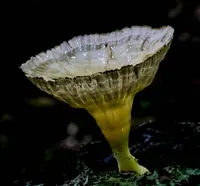
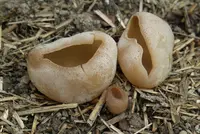
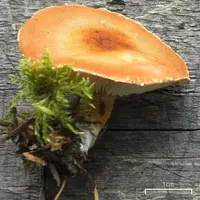
Blistered cup (Peziza vesiculosa) is a cup-shaped fungus, not a true plant, often found on rich, disturbed soil, compost heaps, or rotting organic matter. It forms clustered, shallow cups with pale, blistered-looking surfaces that can create dense patches in suitable sites.

This species occurs widely in temperate regions, especially in gardens, farmyards, and around nutrient-rich waste. It spreads through spores and can appear suddenly where conditions are moist and organic debris is abundant.

Because it is a decomposer, it is not typically grown as an ornamental, and reliable guidance on how to care for blistered cup in cultivation is limited. It generally favors damp, nutrient-rich substrates and shaded to semi-shaded exposure.

Main Plant Requirements

Care Difficulty

Moderate Care

Light Preference

Partial Shade

Water Requirements

Keep Soil Moist

Temperature Preference

Cool Climate

Hardiness Zone

Unknown

Soil Texture

Loamy, Silty, Organic-rich

Soil pH

Slightly acidic (6.5–7.0), Neutral (7.0)

Soil Drainage

Waterlogged tolerant

Fertilization

Minimal (feed rarely)

Get Personalized Care Plan

Scan your plant to receive care tips personalized for your specific plant

Available on iOS and Android

How to Care for the blistered cup

Peziza vesiculosa develops fruiting cups best in cool, moist, low-light locations rather than direct sun.

  • Provide open shade or dappled light; 1–3 hours of weak morning sun is acceptable, but avoid direct midday and afternoon sun to prevent drying of the substrate.
  • Site on the shaded side of buildings, fences, or dense shrubs where light is bright but indirect for most of the day.
  • In summer, increase shade cover if the area receives more than 3–4 hours of direct sun; in winter, slightly higher light is tolerated as sun intensity drops.

This cup fungus relies on consistently moist, not waterlogged, organic substrate for stable development.

  • Aim for evenly damp soil or compost, allowing only the top 1–2 cm to begin drying before re-moistening through rainfall or gentle irrigation.
  • Use rich, well-drained organic matter such as decaying mulch or compost; avoid compacted, saturated ground that smells sour or shows standing water.
  • If the substrate cracks, lightens in color, or cups shrivel and become brittle, moisture is too low; if the area is slimy with persistent puddles, oxygen is limited and growth declines.

This species fruits best in cool to mild conditions with moderate temperature stability.

  • Optimal fruiting usually occurs around 50–68°F (10–20°C), often in spring or cool, moist periods with stable moisture and light shade.
  • The mycelium tolerates down to about 32°F (0°C), but repeated hard frosts below 28°F (-2°C) can damage exposed cups and slow activity.
  • Sustained heat above 77–86°F (25–30°C), especially with drying winds, quickly desiccates fruiting bodies, so deeper shade and higher moisture are needed in hot weather.

Humidity plays little role for Peziza vesiculosa, which mainly depends on consistently moist substrate rather than air moisture.

Peziza vesiculosa develops best on consistently moist, nutrient-rich, loose substrates rather than compact garden beds.

  • Use a loose, organic-rich mix based on well-rotted compost or leaf mold blended with garden loam to mimic decaying matter.
  • Aim for moist, free-draining structure that stays damp but never waterlogged by adding coarse sand or fine grit for better drainage.
  • Keep pH roughly neutral to slightly alkaline, avoiding very acidic mixes, especially those dominated by peat without mineral content.
  • Avoid heavily compacted or clay-rich soil; improve aeration by incorporating coarse organic fragments that create small air gaps.

This species is not well suited to deliberate container cultivation, as it typically appears opportunistically on very rich, decaying organic substrates outdoors.

Peziza vesiculosa is a saprophytic fungus that gains nutrients from decaying organic matter and normally does not need added fertilizer in garden or indoor culture.

Peziza vesiculosa produces short-lived fruiting cups that collapse and decompose naturally, so pruning is not part of standard management.

This cup fungus is rarely grown in containers; instead, it appears where conditions suit its spores, so transplanting is usually unnecessary and unreliable.

  • If fruiting bodies appear in a pot and are unwanted, gently remove the cups and top layer of substrate rather than disturbing the whole root zone of nearby plants.
  • Transplant attempts generally fail because the main fungal body lives as a hidden mycelium threaded through soil or organic debris.
  • If movement is required for research or observation, transfer a portion of the colonized substrate intact into a new container with similar moisture and organic content.
  • Minimize handling, keep the substrate evenly moist but not waterlogged, and avoid sudden changes in light, airflow, or temperature after any move.

Propagation of Peziza vesiculosa is not normally performed in home or ornamental settings because it is a wild, spore-dispersed fungus.

This saprophytic fungus is broadly cold tolerant and typically needs no special winter care in outdoor or container settings.

Care Tips

Use pasteurized substrate

Prepare the growing medium by pasteurizing manure-rich compost or soil at 140–160°F for 30–60 minutes to reduce competing fungi and bacteria that would otherwise outcompete blistered cup.

Control nutrient leach

Keep outdoor beds or trays under cover during heavy rain so soluble nutrients are not washed out, since this fungus fruits best in consistently nutrient-rich, moist organic matter.

Manage fruiting cycles

After a flush of cups collapses, lightly mix the upper 1–2 cm of the substrate and re-moisten it to trigger a new fruiting wave while avoiding deep disturbance of the mycelium layer below.

Optimize airflow gently

Provide gentle, indirect air movement around the culture, such as a small fan set on low and pointed away, to limit mold growth while preventing the substrate surface from drying out.

Monitor substrate depth

Maintain a substrate depth of about 5–10 cm in beds or trays, as shallow layers dry too fast and deep layers can turn anaerobic, both of which reduce success when growing blistered cup.

Common Pests and Diseases

fungal contamination

This disease occurs when other fast-growing molds or fungi colonize the same substrate and outcompete the blistered cup fruiting bodies. Symptoms include fuzzy, discolored growths (often green, black, or pink) covering or surrounding the cups and halting their development.

Solution

Remove and discard heavily contaminated substrate and fruiting bodies, then reduce overall moisture on the surface, improve air exchange, and avoid splashing water that spreads spores. Use clean tools and containers, and restart cultures from uncontaminated material on pasteurized or freshly prepared substrate to support healthier Peziza vesiculosa care.

bacterial soft rot

This disease develops in very wet, nutrient-rich substrates where the fungal tissue becomes waterlogged and begins to collapse. Symptoms include a foul odor, slimy or mushy cups, and rapid disintegration of the surrounding organic matter.

Solution

Discard affected material promptly and clean all containers or trays with hot water and a mild disinfectant. For future culture attempts, lower constant moisture, improve drainage, and ensure good airflow so the substrate stays moist but not saturated.

sciarid fungus gnats

These insects thrive in very damp organic substrates and feed as larvae on decaying material and fungal tissues. Symptoms include tiny black flies around the growing area and fine larval tunnels or damage in the substrate and at the base of the cups.

Solution

Allow the top layer of substrate to dry slightly between waterings, remove excess decaying debris, and use fine mesh or sticky traps to reduce adult populations. In more persistent cases, apply a biological control such as Bacillus thuringiensis israelensis (Bti) or beneficial nematodes to target larvae without harming the fungus-friendly environment.

springtails

These insects live in consistently moist organic substrates and are usually harmless scavengers, but large populations can disturb delicate cup edges and young developing structures. Symptoms include small, white to gray jumping insects visible when the substrate is disturbed and minor surface pitting or roughness on young cups.

Solution

Lower population levels by slightly reducing surface moisture, improving ventilation, and removing excess decaying organic material. If numbers remain high and damage increases, physically remove heavily infested patches of substrate and replace with fresh, pasteurized material while maintaining stable but not saturated moisture levels.

Interesting Facts

Nitrogen-rich habitat specialist

This cup fungus is strongly associated with nitrogen-rich, strongly manured soils, and is frequently found on dung heaps, compost piles, and soil enriched with organic waste around farms and stables.

Bubble-like fruiting cups

Its fruiting bodies often develop conspicuous blistered or vesicle-like swellings on the inner surface of the cups, a feature that inspired both its scientific name and the common name blistered cup.

Cold-season fruiting pattern

In many temperate regions it tends to fruit from late winter through spring and sometimes again in autumn, often appearing in dense clusters when conditions are cool and moist.

Botan icon

Did you know?

This species is considered coprophilous, meaning it can grow directly on or near animal dung, and its spores are well adapted to exploiting nutrient pulses from decomposing manure in agricultural and stable environments.

FAQs about blistered cup

This species is generally considered inedible and of poor culinary value due to its brittle texture and unknown safety profile. It should not be collected for food, especially by beginners or in contaminated or urban environments.

Grow Healthy Plants with Botan Care

Keep your plants happy and healthy with plant identification, disease detection, and easy care guidance.

Botan plant care app — identify plants on mobile

Explore More Plants