Golden Waxy Cap Care (Hygrocybe flavescens)

Golden Waxy Cap

About Golden Waxy Cap

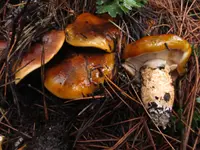
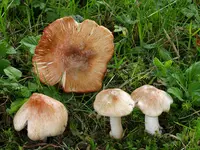
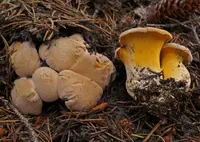
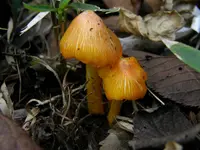
Golden waxy cap, Hygrocybe flavescens, is a small woodland mushroom rather than a leafy houseplant. It forms slim, delicate stems topped with smooth, bright yellow to orange caps that look slightly waxy when fresh.

This fungus typically appears in mossy lawns, open woodlands, and unimproved grasslands, often in cool, damp seasons. It fruits directly from the soil, not from wood, and usually grows scattered or in small groups.

Golden waxy cap is challenging to cultivate because it depends on complex relationships with soil fungi and microorganisms, so it is not suited to typical indoor or pot culture. Gardeners generally appreciate it in natural or semi-natural lawns rather than trying to care for Golden Waxy Cap in containers or beds.

Main Plant Requirements

Care Difficulty

Hard Care

Light Preference

Partial Shade

Water Requirements

Keep Soil Moist

Temperature Preference

Cool Climate

Hardiness Zone

Unknown

Soil Texture

Loamy, Peaty, Organic-rich

Soil pH

Strongly acidic (4.5–5.5), Acidic (5.5–6.5)

Soil Drainage

Moist but well-drained

Fertilization

Minimal (feed rarely)

Get Personalized Care Plan

Scan your plant to receive care tips personalized for your specific plant

Available on iOS and Android

How to Care for the Golden Waxy Cap

This woodland fungus prefers cool, gentle light rather than strong direct sun.

  • Provide 2–4 hours of soft morning sun with dappled or filtered shade the rest of the day, similar to a light woodland edge for Golden Waxy Cap.
  • Avoid strong midday and afternoon sun, which can dry the fruiting area and reduce mushroom size and lifespan.
  • In summer, increase shade using leaf litter or low groundcover; in cooler seasons, allow slightly more open light as tree canopies thin.

This species needs consistently moist, but not waterlogged, soil to fruit well.

  • Aim for soil that stays evenly damp to about 3–5 cm depth; surface may dry slightly between rains but deeper soil should remain moist.
  • Encourage free drainage with a loose, organic-rich soil; standing water or sour, swampy smells indicate overwatering and poor aeration.
  • During dry spells, water gently whenever the top 2–3 cm become dry and caps start to look flatter or edges curl, then stop once the soil feels spongy, not soggy.

This fungus fruits best in cool to mild conditions typical of autumn woodlands.

  • Optimal fruiting temperatures are about 50–65°F (10–18°C), with steady moisture and moderate shade supporting stable mushroom development.
  • It tolerates brief drops to around 35°F (2°C) but hard frost below 32°F (0°C) can damage or collapse fruiting bodies of Hygrocybe flavescens.
  • Sustained heat above 75°F (24°C), especially with dry air, shortens lifespan; in hotter periods, deeper leaf litter and shade help buffer soil temperatures.

This fungus needs consistently moist, cool air to fruit well outdoors.

  • Aim for 70–90% humidity in its microhabitat, such as damp mossy turf or leaf litter where Golden Waxy Cap naturally appears.
  • Watch for caps drying, splitting, or failing to expand fully as signs of air that is too dry.
  • Increase local humidity by keeping surrounding ground evenly moist, adding mossy topdress, and avoiding strong, drying wind exposure.

This species prefers undisturbed, moist, organic-rich ground rather than conventional potting soil.

  • Provide a loose, fine-textured, humus-rich turf or woodland-type substrate that mimics naturally mossy or grassy sites for Hygrocybe flavescens.
  • Ensure very gentle drainage: soil should stay evenly moist but never waterlogged, with excess water slowly percolating through the profile.
  • Favor slightly acidic to neutral conditions around pH 5.5–7.0, avoiding liming or heavy fertilization that alters native fungal partners.
  • Improve structure by mixing leaf mold, well-rotted compost, and a little sharp sand to enhance aeration while keeping the surface consistently damp.

This species is poorly suited to container cultivation and rarely persists long-term in pots.

Hygrocybe flavescens is a woodland fungus that usually does best without added fertilizer in garden or container settings.

Hygrocybe flavescens does not need pruning, since the visible mushroom is only a temporary fruiting body.

This fungus is not suited to standard repotting, as it depends on specific soil fungi and habitat conditions rather than container culture.

  • If grown experimentally in pots, consider moving the entire soil mass instead of disturbing the substrate.
  • Transplant only during cool, moist weather to reduce drying stress on the underground mycelium.
  • Shift to a site that closely matches the original soil type, organic matter level, and moisture pattern.
  • Avoid breaking or shaking soil from roots of nearby plants, since this disrupts fungal connections.

Propagation of Hygrocybe flavescens is technically complex and rarely successful for home growers, so direct propagation attempts are not recommended.

This mushroom species is naturally adapted to outdoor seasonal cycles and usually needs no special winter care in its normal hardiness range.

Care Tips

Use decaying sod

Establish the fungus in thin, low-nutrient turf or old lawn patches with a layer of short, untreated grass clippings and thatch, since fruiting bodies tend to form best in undisturbed, semi-natural swards rather than in freshly turned beds.

Minimize soil disturbance

Avoid digging, core aeration, or heavy raking in the area where the fungus is established, because disruption of the fine mycelial network can halt fruiting for several seasons.

Avoid chemical inputs

Do not apply lawn fertilizers, herbicides, or fungicides where you want to grow Hygrocybe flavescens, as high nutrients and biocides suppress waxcap communities and can eliminate existing mycelium.

Maintain short turf

Keep grass in waxcap areas mown to 3–6 cm and remove clippings, which reduces nutrient buildup and light competition and promotes more consistent fruiting flushes.

Survey in damp season

Schedule monitoring for fruiting bodies after several days of cool, moist weather in autumn, and flag or mark productive patches so future caring for Golden Waxy Cap focuses on protecting those exact micro-sites from trampling or soil work.

Common Pests and Diseases

Slug and snail grazing

This pest feeds on the soft fruiting bodies, leaving irregular bite marks, holes, and slime trails on caps and stems. Symptoms include sudden collapse of young mushrooms, often overnight, especially in damp, grassy habitats.

Solution

Hand-pick slugs and snails at dusk or early morning and use simple barriers such as copper tape or rough grit around key fruiting areas if cultivating or monitoring a patch. Reduce dense groundcover and excess debris that provide hiding places, and avoid overusing high-nitrogen fertilizers that attract heavy mollusk activity around fruiting bodies when caring for Golden Waxy Cap.

Fungivorous fly larvae

This pest includes small fly maggots that tunnel inside the caps and stems, causing distortion, soft patches, and premature decay of the fruiting bodies. Symptoms include pinholes on caps, hollow stems, and rapidly deteriorating tissue.

Solution

Remove and dispose of heavily infested mushrooms as soon as damage is noticed to reduce larval development and adult emergence. Maintain a diverse, undisturbed sward with good natural predator presence, and avoid leaving overmature, decaying fruiting bodies in place if the goal is to observe or photograph healthy Hygrocybe flavescens clusters.

Mycophagous springtails

These insects feed on fungal tissue and spores on or near the fruiting bodies, sometimes causing pitting or roughened surfaces on caps. Symptoms include minor surface damage and the presence of tiny, jumping insects in very damp moss or grass around the mushrooms.

Solution

Improve surface drainage and avoid chronic waterlogging to keep populations in balance, since springtails thrive in constantly saturated microhabitats. Gently remove heavily damaged fruiting bodies and reduce thick thatch and compaction so the soil structure supports a more stable moisture regime rather than persistent standing moisture.

Competing saprobic fungi

This disease-like pressure arises from other decomposer fungi colonizing the same organic matter, reducing the likelihood of waxcap fruiting. Symptoms include abundant fruiting of other small saprobic fungi while waxcaps become sparse or absent in previously active areas.

Solution

Maintain low-input grassland conditions with minimal fertilizer and limited disturbance, since waxcaps favor nutrient-poor, unimproved turf where competitors are less aggressive. Avoid adding woodchip, compost, or manure to known waxcap sites, and keep mowing light and infrequent to favor the stable grassland structure that supports waxcap mycelium over faster-growing rivals.

Habitat eutrophication stress

This problem is caused by nutrient enrichment of waxcap grasslands from fertilizer drift, runoff, or heavy pet and livestock use, which disrupts the soil conditions required for fruiting. Symptoms include a steady decline in waxcap numbers, denser grass growth, and a shift toward lush, nitrogen-loving plants and fungi.

Solution

Limit or stop fertilizer and pesticide use near known waxcap sites, and create buffer strips to reduce nutrient-rich runoff from adjacent land. Use light, seasonal mowing with removal of clippings instead of frequent close cutting, and restrict concentrated animal traffic in those areas to keep soil nutrients and compaction low so waxcap populations can stabilize or recover.

Interesting Facts

Distinct waxy cap

This species produces small yellow to orange fruiting bodies with a distinctly waxy, often translucent cap surface, a hallmark of many waxcap fungi but with a particularly bright, uniform coloration in this species.

Indicator of old grasslands

In Europe and some other regions, this fungus is regarded as a characteristic species of long-unfertilized, semi‑natural grasslands, so its presence can indicate historically low-intensity land use.

Gills with waxy texture

The gills are broadly attached to the stem and have a thick, waxy texture that helps distinguish it from similarly colored but more brittle yellow mushrooms in the same habitat.

FAQs about Golden Waxy Cap

This species is generally considered inedible, mainly because it is small, insubstantial, and offers little culinary value. Identification of waxcap mushrooms is challenging, so foraging for consumption is discouraged due to risk of confusion with other species.

Grow Healthy Plants with Botan Care

Keep your plants happy and healthy with plant identification, disease detection, and easy care guidance.

Botan plant care app — identify plants on mobile

Explore More Plants