Cherry-Red Waxy Cap Care (Hygrocybe laetissima)

Cherry-Red Waxy Cap

About Cherry-Red Waxy Cap

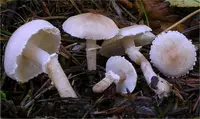
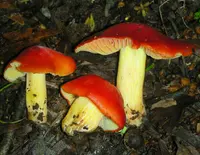
Cherry-red waxy cap, Hygrocybe laetissima, is a small, fleshy mushroom rather than a leafy houseplant. It produces vivid red to orange caps with a shiny, waxy surface and slender pale stems. The fruiting bodies typically appear scattered or in small groups in grasslands or mossy, unimproved lawns, often in cool, moist climates.

This species prefers nutrient-poor, undisturbed soils and consistent surface moisture, which makes it difficult to maintain in typical garden or indoor conditions. To care for Cherry-Red Waxy Cap, conditions must mimic its natural, low-fertility, moist habitat, which is challenging for most home growers.

Main Plant Requirements

Care Difficulty

Hard Care

Light Preference

Partial Shade

Water Requirements

Keep Soil Moist

Temperature Preference

Cool Climate

Hardiness Zone

Unknown

Soil Texture

Loamy, Peaty, Organic-rich

Soil pH

Strongly acidic (4.5–5.5), Acidic (5.5–6.5)

Soil Drainage

Moist but well-drained

Fertilization

Minimal (feed rarely)

Get Personalized Care Plan

Scan your plant to receive care tips personalized for your specific plant

Available on iOS and Android

How to Care for the Cherry-Red Waxy Cap

This grassland fungus prefers cool, moist, low-intensity light rather than strong, direct sun.

  • Provide bright, open shade or very light dappled shade, with no more than 1–2 hours of weak morning sun and no harsh afternoon sun to prevent caps from drying and fading.
  • Site Cherry-Red Waxy Cap in short, open turf or mossy grass where neighboring plants filter sunlight but do not cast dense shade all day.
  • In summer, protect from strong sun and prolonged drying; in winter, reduced day length is acceptable as long as the site remains lightly open and not in deep, continuous shade.

This species fruits best in consistently moist but not waterlogged soil.

  • Aim for soil that feels evenly damp 2–5 cm below the surface; allow only the top 1–2 cm to begin to dry before the next thorough soaking.
  • Ensure the site drains freely; standing water, sour smell, or slime on the soil surface suggests overwatering and risks damaging the underground mycelium of Hygrocybe laetissima.
  • In warm, windy weather, moisture may need checking every 1–2 days, while in cool, wet seasons natural rainfall often provides enough water unless the soil dries and cracks.

This waxcap favors mild, oceanic-type climates with cool to moderate temperatures.

  • Optimal fruiting usually occurs around 50–65°F (10–18°C), with mycelium growth continuing slowly up to about 70°F (21°C) if soil stays moist.
  • The fungus tolerates brief dips near 25–30°F (-4– -1°C), but hard, prolonged frost below this can reduce fruiting and damage exposed fruiting bodies.
  • Extended heat above 77–82°F (25–28°C), especially with dry soil, suppresses fruiting; cooler, moist autumn conditions typically trigger the best displays.

This grassland fungus needs consistently moist, cool air to fruit well outdoors.

  • Aim for 70–90% humidity in sheltered sites, such as mossy lawns or rough grass that stay damp.
  • Dry, exposed air and hot winds cause caps to dry, crack, or fail to emerge from the turf.
  • Use dense, unmown patches, nearby groundcover, or windbreaks to trap moisture around Cherry-Red Waxy Cap colonies.

This species fruits in short, unfertilized turf over undisturbed, low-nutrient soil rather than in conventional potting mixes.

  • Provide a fine-textured, firm, grassland-type topsoil with high organic surface litter but relatively low underlying nutrients.
  • Ensure drainage is free yet not sandy-dry; soil should drain within hours after rain but remain slightly moist beneath the sward.
  • Favors mildly acidic to slightly neutral conditions, typically around pH 5.5–7, without added lime or high-salt fertilizers.
  • Maintain an intact turf layer with moss, leaf litter, and thatch to support the specific grassland biology associated with Hygrocybe laetissima.

This species is generally unsuitable for long-term container growing because it relies on complex, established grassland soils.

Hygrocybe laetissima is a woodland mushroom that generally performs best in low‑nutrient, undisturbed soil and needs no deliberate fertilization.

Hygrocybe laetissima does not require pruning in the usual horticultural sense, but spent fruiting bodies can be tidied if needed.

  • If removing caps, cut them at the base with clean scissors to avoid disturbing the underground mycelium network.
  • Limit foot traffic and raking over the colony area so fungal tissue stays intact and fruiting remains consistent.
  • Avoid cutting or lifting surrounding grass and moss too short, which can dry the habitat and reduce future mushroom flushes.

This fungus is not suited to normal container culture, so focus on careful transplanting or habitat management rather than classic repotting.

  • Transplant only if the site will be disturbed, moving intact turf or sod sections that contain the mycelium of Hygrocybe laetissima.
  • Carry out any turf relocation in cool, moist seasons such as early spring or fall to limit drying stress.
  • Lift and move the soil block gently, disturbing roots and soil structure as little as possible to preserve fungal connections.
  • After transplanting, water lightly to settle soil, then maintain even moisture without waterlogging to help the colony re‑establish.

Propagation of this waxcap relies on spore dispersal and long‑term habitat stability rather than standard garden techniques.

This waxcap is naturally cold hardy in temperate climates and usually needs no special winter care beyond basic habitat protection.

  • Allow leaf litter and short grass cover to remain over the colony to buffer soil temperature and moisture.
  • Avoid deep digging, aeration, or construction in the area during winter so the underground mycelium stays intact.
  • If growing Cherry-Red Waxy Cap in a managed lawn, keep traffic light and mowing high to support ongoing fruiting in future seasons.

Care Tips

Site hygiene

Remove decaying leaves, old fruiting bodies, and heavy leaf litter from the fruiting area after each flush to reduce competing fungi and bacteria that can suppress future Cherry-Red Waxy Cap formations.

Low-compaction access

Place stepping stones or boards in paths where you walk frequently so foot traffic does not compact the soil, since this fungus fruits more reliably in undisturbed, lightly aerated ground.

Grass management

If the fungus appears in lawn or meadow, keep grass slightly longer (7–10 cm) and avoid high-nitrogen lawn feeds, which favors dense turf over waxcap fruiting.

Moisture buffering

Use a thin layer of short-cut, low-nutrient grass clippings or leaf mold around but not on top of emerging caps to buffer surface moisture and reduce rapid drying from wind exposure.

Gentle harvesting

Harvest by cutting the stem at ground level with a clean knife instead of pulling, which helps protect the mycelium network below and supports more stable long-term fruiting when growing Cherry-Red Waxy Cap.

Common Pests and Diseases

Slug and snail grazing

This pest feeds on the fruit bodies, removing bright red tissue and leaving irregular ragged holes and slime trails on caps and stems. Symptoms include rapid disfigurement of mushrooms, sometimes overnight, especially in damp, mild conditions.

Solution

Hand-pick slugs and snails during the evening or early morning and remove them from the area, and use physical barriers such as copper tape or rough mineral grit around key fruiting patches. Reduce dense ground cover that shelters mollusks and, if necessary, deploy iron phosphate slug pellets placed away from children, pets, and non-target wildlife to support growing Cherry-Red Waxy Cap populations.

Fungal mycoparasites

This disease is caused by other fungi that parasitize the waxcap fruit bodies, leading to distorted caps, abnormal colors, or rapid collapse of mushrooms. Symptoms include patchy mold-like growth on caps or stems and premature shriveling despite adequate moisture.

Solution

Remove and discard parasitized fruit bodies promptly to limit local spore buildup and avoid disturbing the soil more than necessary. Improve air circulation by managing very dense grass or moss cover and avoid adding nutrient-rich fertilizers that favor aggressive competitor fungi over waxcaps, which is a core aspect of Hygrocybe laetissima care.

Springtail feeding

These insects are tiny soil arthropods that nibble on delicate hymenium (spore-producing surfaces), causing pitting or fine scarring on gills and lower cap surfaces. Symptoms include small shallow pits and an overall roughened texture, often visible on close inspection rather than from a distance.

Solution

Maintain moderate, not saturated, soil moisture and avoid heavy thatch or deep leaf litter that encourages very high springtail populations. Where damage is severe in small, well-defined patches, gently lift and thin surrounding litter and turf, and rely on natural predators such as ground beetles rather than chemical treatments, which can harm the sensitive waxcap grassland community.

Mite infestation

These insects are tiny arachnids that tunnel into or graze across caps and stems, leaving fine speckling, shallow pits, or a dusted appearance on the fruit bodies. Symptoms include accelerated aging and collapse of mushrooms combined with visible movement of small pale or reddish dots under magnification or close inspection.

Solution

Remove heavily damaged fruit bodies so mites disperse less within the immediate patch and limit the use of broad-spectrum insecticides that disrupt natural mite predators. Maintain stable, cool, moist, but not waterlogged conditions and encourage habitat diversity around the site so predatory mites and small beetles can keep populations in balance.

Interesting Facts

Striking scarlet gloss

This waxcap produces intensely glossy scarlet to cherry-red caps that can look varnished when moist, a result of its smooth, waxy outer layer reflecting light strongly.

Indicator of old grasslands

The species is strongly associated with long-unimproved, low-nutrient grasslands and is often used in Europe and other temperate regions as part of waxcap assemblages that indicate high-quality, traditionally managed meadows.

Color change with age

Caps typically start bright red and can fade to orange-red or yellowish with age or strong light exposure, as pigments break down and underlying tissue color becomes more visible.

Botan icon

Did you know?

This species belongs to a group of waxcaps now thought to live partly as endophytes, meaning their mycelium can grow inside living grass roots without harming them, a lifestyle very different from the classic saprotrophic fungi that mainly decompose dead organic matter.

FAQs about Cherry-Red Waxy Cap

This small mushroom is not considered a good edible. It is usually treated as inedible due to its small size, limited flesh, and uncertain culinary value. Identification mistakes with similar red waxcaps can be risky.

Grow Healthy Plants with Botan Care

Keep your plants happy and healthy with plant identification, disease detection, and easy care guidance.

Botan plant care app — identify plants on mobile

Explore More Plants