Bitter Waxcap Care (Hygrocybe mucronella)

Bitter Waxcap

About Bitter Waxcap

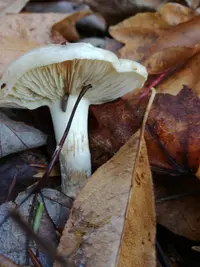
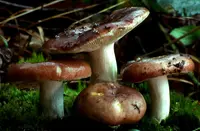
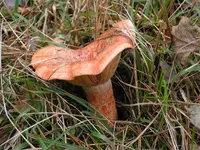
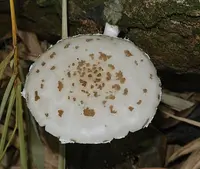
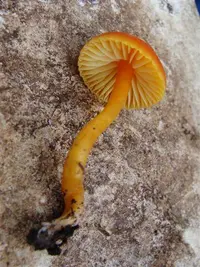
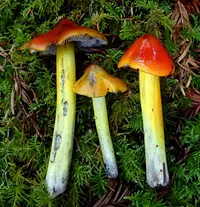
Bitter waxcap, Hygrocybe mucronella, is a small waxcap fungus rather than a typical leafy plant. It produces slender, bright to pale yellow caps on thin stems.

This species usually appears in unimproved grasslands, mossy lawns, and sometimes woodland clearings, mainly in Europe but occasionally reported elsewhere. It often grows in short turf with low nutrient levels.

Its fruiting is seasonal and unpredictable, which makes it difficult to cultivate deliberately. Gardeners who want to care for Bitter Waxcap usually focus on maintaining suitable habitat rather than growing it in pots.

It tends to favor undisturbed, low-fertilizer soils with consistent moisture and open light, so intensive lawn feeding or heavy shade usually reduces its presence.

Main Plant Requirements

Care Difficulty

Hard Care

Light Preference

Partial Shade

Water Requirements

Keep Soil Moist

Temperature Preference

Cool Climate

Hardiness Zone

Unknown

Soil Texture

Loamy, Silty, Organic-rich

Soil pH

Strongly acidic (4.5–5.5), Acidic (5.5–6.5)

Soil Drainage

Moist but well-drained

Fertilization

Minimal (feed rarely)

Get Personalized Care Plan

Scan your plant to receive care tips personalized for your specific plant

Available on iOS and Android

How to Care for the Bitter Waxcap

This fungus prefers cool, moist grassland light rather than intense, direct sun exposure.

  • Provide bright, open shade or very light dappled sun, with at most 2–4 hours of gentle morning sun and no harsh afternoon sun.
  • Sites with short grass under scattered trees or in north- or east-facing exposures give enough light for Bitter Waxcap fruiting while protecting the mycelium in the soil.
  • In summer, drying and bleaching occur under full sun; in low light under dense shrubs, fruiting bodies become sparse or absent.

Moist but not waterlogged soil is essential for reliable fruiting of this grassland fungus.

  • Aim for consistently fresh, damp soil; allow the top 1–2 cm to lose surface gloss but not fully dry before the next natural or supplemental watering.
  • On free-draining, short turf, light irrigation during extended dry spells supports Hygrocybe mucronella, but standing water longer than 24 hours suppresses growth and causes rot in associated roots.
  • Shriveling caps and brittle stems signal drought stress, while slimy, collapsing fruiting bodies and sour odor indicate chronic overwatering or poor drainage.

This species thrives in cool to mild temperatures typical of autumn grasslands.

  • Optimal fruiting usually occurs around 45–60°F (7–16°C), with mycelium remaining active in the soil slightly above and below this range.
  • The fungus tolerates brief drops near 28–32°F (-2–0°C), but repeated hard frosts below 25°F (-4°C) can damage developing fruiting bodies.
  • Prolonged heat above 75°F (24°C), especially with dry conditions, causes rapid cap deterioration and reduces fruiting until cooler, moister weather returns.

This woodland fungus requires consistently moist, humid conditions similar to damp grassland or mossy soil.

  • Target 70–90% humidity, as Bitter Waxcap fruits naturally in cool, moist microclimates near the ground.
  • Dry air or drying winds cause caps to shrivel, fade in color, and abort before fully expanding.
  • Increase local humidity by allowing leaf litter to accumulate, watering adjacent vegetation, and avoiding raking or exposing the fruiting area to direct sun.

This species fruits in short turf or moss over undisturbed, nutrient-poor soil rather than in rich garden beds.

  • Use a thin mossy or grassy turf over firm, low-organic mineral soil; avoid adding compost or fertilizer that would enrich the site.
  • Ensure slow but steady drainage; soil should never be waterlogged yet must not dry out completely between rainfall or irrigation.
  • Aim for slightly acidic to neutral conditions (roughly pH 5.5–7), avoiding liming that pushes the soil strongly alkaline.
  • To encourage Hygrocybe mucronella, maintain an open, unimproved lawn or meadow, mow lightly, remove heavy thatch, and avoid soil compaction from frequent foot traffic.

This fungus is not suitable for long-term container cultivation, as it depends on complex soil and turf conditions that pots cannot replicate.

This woodland fungus is adapted to nutrient-poor conditions and usually does not need supplemental fertilizer when growing in the ground.

Hygrocybe mucronella does not require intentional pruning, as individual fruiting bodies are short-lived and naturally replaced by new ones from the mycelium.

Transplanting is rarely appropriate, since this species depends on stable soil fungi networks and specific habitat conditions.

  • Avoid disturbing established colonies; moving clumps usually leads to failure because the mycelium is finely distributed in the soil.
  • If relocation is unavoidable, attempt it only during cool, moist weather in autumn to reduce stress.
  • Lift a very large, deep plug of soil with minimal disruption, using a sharp spade to keep the profile intact.
  • Keep the soil plug evenly moist after moving, avoiding waterlogging, and expect low transplant success despite careful handling.

Propagation of this waxcap is technically challenging and rarely attempted successfully by home growers.

This species is cold hardy in suitable climates and normally needs no special winter care once established outdoors.

Care Tips

Retain Host Moss

Maintain and gently encourage moss growth on the substrate, since this species often fruits in close association with mosses on undisturbed, short turf or woodland edges.

Minimize Ground Disturbance

Avoid raking, tilling, heavy foot traffic, and frequent plug aeration in the fruiting area so the fungal mycelium network in the soil remains intact and stable.

Low-Nutrient Management

Reduce or eliminate fertilizer use in the habitat and remove nutrient-rich grass clippings so the site stays low in nutrients, which favors waxcap fungi over aggressive grasses.

Targeted Mowing Regime

If the habitat is a lawn or meadow, mow only a few times per year and remove the cut material, timing cuts outside the main fruiting season to allow caps to develop and release spores.

Monitor Site Hydrology

Track how water moves through the site and avoid drainage changes, compaction, or irrigation patterns that create prolonged waterlogging or artificial dryness, as stable, moderately moist conditions support growing Bitter Waxcap more reliably.

Common Pests and Diseases

Slime mold overgrowth

This disease appears as gray, white, or brightly colored slimy patches that spread over fruiting bodies and surrounding organic matter. Symptoms include rapid collapse or discoloration of caps as the slime mold digests fungal tissue.

Solution

Gently remove and discard heavily colonized fruiting bodies and nearby debris, then reduce surface moisture and improve air circulation at the site. Avoid adding high-nutrient organic waste that encourages slime molds, and if indoors or in controlled culture, thin crowded clusters and use a fan or venting to keep surfaces from staying constantly wet.

Fungal parasitism

This disease is caused by other fungi colonizing and deforming the fruiting bodies, sometimes producing fuzzy, powdery, or crusty growths on caps and stems. Symptoms include misshapen, stunted, or prematurely decaying mushrooms that fail to mature normally.

Solution

Remove and discard any distorted or visibly overgrown fruiting bodies as soon as they appear to limit spore spread. In managed culture, improve hygiene by sterilizing tools and containers, maintaining moderate rather than saturated humidity, and discarding contaminated substrate batches rather than trying to rescue them.

Nematode damage

These microscopic roundworms feed on fungal tissue and can cause fruiting bodies to become soft, water-soaked, and patchy, sometimes with uneven or stunted growth. Symptoms include caps that collapse quickly and fail to develop normal color or texture.

Solution

Discard visibly affected substrate and mushrooms, since nematodes are difficult to eradicate once established. For any controlled cultivation attempts when trying to grow Hygrocybe mucronella, start with clean, preferably sterilized substrate, avoid using garden soil or unpasteurized compost, and keep the growing area separated from earthworm or compost bins that often harbor fungal-feeding nematodes.

Sciarid fly larvae

These insects, also called fungus gnats, lay eggs in moist substrate; the larvae tunnel through fungal tissue and cause pitted, hollowed, or collapsing fruiting bodies. Symptoms include small entry holes, internal tunneling, and a higher presence of tiny dark flies around the growing area.

Solution

Physically remove and discard infested mushrooms and reduce excess surface moisture so the substrate is damp but not waterlogged. In indoor or controlled setups, use fine mesh screens, sticky traps for adult flies, and let the surface layer of substrate dry slightly between mistings to interrupt the life cycle.

Slugs and snails

These pests rasp away soft tissue, leaving irregular holes, shredded margins on caps, and slime trails on or near the fruiting bodies. Symptoms include partially eaten mushrooms and reduced aesthetic or scientific value of the fruiting display.

Solution

Hand-pick slugs and snails during damp periods and remove nearby cover such as boards, dense leaf piles, or pots that provide daytime hiding places. In gardens or outdoor displays, use copper barriers, rough mineral mulches, or targeted iron phosphate bait placed away from the fruiting clusters to reduce grazing pressure without contaminating the immediate habitat.

Interesting Facts

Brightly bitter caps

This species produces small, vivid orange to red caps with a distinct bitter taste, which is why it is considered inedible despite its attractive appearance.

Pasture habitat specialist

It is typically found in unimproved, low-nutrient grasslands and pastures, especially in Europe, where traditional, low-intensity grazing and mowing practices help maintain the short turf it needs.

Indicator of old grassland

Populations of this species often occur in so-called waxcap grasslands and can serve as one of several indicator fungi used by conservationists to assess long-established, low-fertilizer grassland ecosystems.

FAQs about Bitter Waxcap

This small waxcap is generally regarded as inedible due to its bitter taste and limited flesh. It is not known as a choice edible mushroom and is best left for observation rather than consumption.

Grow Healthy Plants with Botan Care

Keep your plants happy and healthy with plant identification, disease detection, and easy care guidance.

Botan plant care app — identify plants on mobile

Explore More Plants