Taxonomy and Phylogeny Care (Oudemansiella canarii)

Also known as: Morphology, Ecology, Overall Biology and Relevance for Humans
Taxonomy and Phylogeny

About Taxonomy and Phylogeny

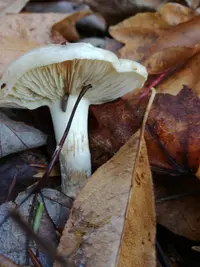
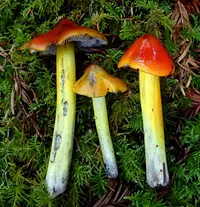
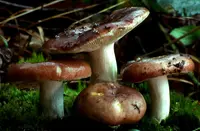
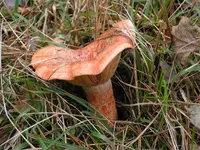
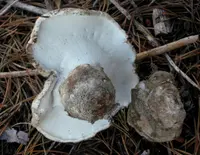
Taxonomy and Phylogeny refers here to the mushroom species Oudemansiella canarii, a wood-rotting fungus rather than a leafy green plant. It produces tall, slender stems topped with smooth, often sticky caps that range from pale to brownish tones.

This species typically grows on decaying wood in warm, humid forests, especially in tropical and subtropical regions. Its life cycle depends on consistently moist, shaded conditions, which makes it more challenging to maintain outside its natural habitat.

Those who wish to learn how to care for Taxonomy and Phylogeny in cultivation need to manage sterile growing conditions, appropriate wood-based substrate, and stable humidity. It is generally of interest to advanced growers and mycology enthusiasts rather than casual indoor gardeners.

Main Plant Requirements

Care Difficulty

Hard Care

Light Preference

Shade

Water Requirements

Keep Soil Moist

Temperature Preference

Tropical / Frost Sensitive

Hardiness Zone

Unknown

Soil Texture

Loamy, Organic-rich

Soil pH

Acidic (5.5–6.5)

Soil Drainage

Moist but well-drained

Fertilization

Minimal (feed rarely)

Get Personalized Care Plan

Scan your plant to receive care tips personalized for your specific plant

Available on iOS and Android

How to Care for the Taxonomy and Phylogeny

This saprophytic fungus prefers bright, filtered light that mimics a forest understory.

  • Provide 2–4 hours of gentle morning sun with dappled or filtered light for the rest of the day, avoiding intense midday and afternoon sun that can dry the substrate too fast.
  • Grow in partial shade under shrubs or trees where it receives broken light; deep shade below 10–20% ambient light significantly reduces fruiting.
  • In summer, protect from strong sun and hot, dry winds, while in cooler seasons slightly increased light supports stable development important for caring for Taxonomy and Phylogeny.

This species needs consistently moist but not waterlogged conditions for reliable fruiting.

  • Allow the top 2–3 cm of the organic substrate or soil to feel just barely dry to the touch before watering again, maintaining slight, even moisture below this layer.
  • Water deeply so moisture penetrates 8–10 cm, then let excess drain freely; standing water, sour smell, or slimy substrate indicate overwatering and poor aeration.
  • In warm, dry weather increase frequency using visual cues such as dull, shrunken caps, while in cool seasons reduce watering to prevent rot around the Oudemansiella canarii mycelium.

This fungus thrives in warm, frost-free conditions that resemble a humid tropical forest floor.

  • Aim for a growth range of 68–82°F (20–28°C), where mycelium activity and fruiting are usually most stable and predictable.
  • Protect from cold; growth slows sharply below 59°F (15°C) and sustained exposure under 41°F (5°C) or any frost can kill surface mycelium and young fruiting bodies.
  • In hot spells above 86°F (30°C), provide extra shade and moisture to prevent substrate overheating, and avoid placing it on heat-retaining surfaces that exceed ambient air temperatures.

This species benefits from moderately humid air but adapts to typical indoor levels if kept evenly moist at the substrate.

  • Aim for 50–70% humidity, especially in warm conditions, to support steady fruiting and reduce cap cracking.
  • It tolerates short periods of drier air, but prolonged <40% humidity can dry the substrate surface too quickly and shrink developing mushrooms.
  • Humidity stress shows as small, cracked, or misshapen caps and dry stems; increase air moisture promptly if these appear.
  • Use a humidifier, humidity tent, or frequent fine misting around the growing area to maintain stable humidity for caring for Taxonomy and Phylogeny.

For cultivation, Oudemansiella canarii performs best in loose, airy, organic-rich substrates that drain freely yet retain steady moisture.

  • Use a mix based on hardwood sawdust or fine wood chips combined with 20–30% well-matured compost or coco coir to provide structure and nutrients.
  • Ensure rapid drainage by avoiding compacted garden soil; add coarse perlite or vermiculite if the substrate holds water for more than 24 hours.
  • Maintain a slightly acidic to neutral pH around 5.5–7.0, which favors mycelial growth and reduces nutrient lockout.
  • Avoid dense, clay-heavy, or peat-only mixes that stay waterlogged or crust on top, since low aeration suffocates the mycelium and encourages rot.

This fungus can be grown in containers if the vessel is deep and stable enough for its substrate block.

  • Choose a rigid, tall container that fits the entire substrate column snugly so fruiting bodies emerge without collapsing the sides.
  • Use opaque or dark containers when possible to limit light on the substrate surface, which helps maintain even moisture and mycelial stability.
  • Drill or use built-in side vents near the upper half of the container to improve gas exchange without letting the substrate dry out rapidly.

Oudemansiella canarii usually manages with low fertility but benefits from light feeding in poor soils or containers.

  • Use a balanced NPK fertilizer at 1/2 strength or a thin layer of well-rotted compost in early spring.
  • Feed once at the start of the growing season and again mid-season if growth is weak.
  • Avoid fertilizing in winter or dormant periods to prevent soft, frost-prone tissue.
  • For those studying caring for Taxonomy and Phylogeny, note that overfertilization can reduce stress tolerance.

Oudemansiella canarii needs only light pruning to maintain safety and structure.

  • Carry out pruning in late winter or very early spring before active growth starts.
  • Remove dead, diseased, crossing, or storm-damaged branches with clean, sharp bypass pruners or a pruning saw.
  • Thin crowded interior shoots moderately to improve light and air movement through the canopy.
  • Avoid heavy structural cuts in one season to reduce stress and decay risk.

This species is usually landscape-grown, so focus on careful transplanting rather than frequent repotting.

  • Transplant in late winter to early spring when soil is workable and temperatures are mild.
  • Look for signs such as poor vigor, girdling roots in nursery containers, or a pot-bound rootball before moving the plant.
  • Shift to a slightly larger planting hole, loosening circling roots and backfilling with native soil rather than rich mix.
  • Water deeply after transplanting, then keep soil evenly moist and shade the canopy lightly for 1–2 weeks to limit transplant shock.

Propagation of Oudemansiella canarii is specialized and not commonly attempted by home growers, so routine methods are limited.

This species is frost-sensitive and needs thoughtful winter care in regions with cool or freezing conditions.

  • In-ground plants benefit from 5–8 cm of organic mulch around the root zone, kept away from the trunk.
  • In colder areas, grow in large containers and move indoors or into a frost-free greenhouse before temperatures drop near 40°F.
  • Provide bright, indirect light and reduce watering during the coolest months to match slower growth.

Care Tips

Use breathable containers

Cultivate the fungus in shallow, well-ventilated trays or perforated containers to keep the substrate aerated and reduce the risk of anaerobic rot in the colonized material.

Rotate colonized substrate

Once the mycelium has fully colonized the substrate, gently break up and mix the block, then re-pack it loosely to encourage fresh air pockets that can stimulate more uniform fruiting.

Control fruiting flushes

After each harvest, remove all stem bases and debris, lightly scratch the top 1–2 cm of substrate, and mist to reset the surface and promote cleaner subsequent flushes.

Manage condensation carefully

If cultivating in closed chambers or tubs, wipe down heavy condensation from walls and lids daily while keeping the substrate surface just moist, which limits bacterial growth and malformed caps.

Monitor gill color changes

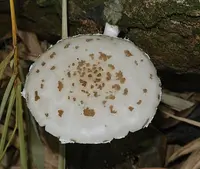
Regularly check gill color and texture on mature caps and adjust humidity and fresh air if gills appear overly pale, dry, or waterlogged, using these subtle visual cues to fine-tune Oudemansiella canarii care.

Common Pests and Diseases

Mycelial contamination

This disease involves invasion of the mushroom culture or substrate by competing fungi such as Trichoderma or other molds. Symptoms include patches of green, gray, or black growth on the substrate and stunted or deformed fruiting bodies.

Solution

Remove and discard heavily contaminated blocks or trays, and reduce airborne spores by cleaning the grow area with 70% alcohol or a diluted bleach solution (1:10). Improve hygiene by sterilizing or thoroughly pasteurizing substrate, using clean tools, filtering intake air if possible, and reducing excess humidity condensation on surfaces to limit mold establishment when practicing Oudemansiella canarii care.

Bacterial blotch

This disease is caused by bacterial infection favored by standing water on caps and very high humidity. Symptoms include slimy, greasy, or water-soaked spots on the mushroom caps that may turn yellow to brown and soften.

Solution

Increase fresh air exchange and keep humidity stable around 85–90% while avoiding direct water droplets on caps by misting the air or walls instead of the mushrooms. Remove affected fruiting bodies promptly, improve sanitation of tools and containers, and avoid overcrowding blocks so surfaces dry slightly between misting cycles.

Sciarid fungus gnats

These insects are small dark flies whose larvae feed in the substrate and on fine mycelium. Symptoms include tunnels in substrate, reduced colonization, and malformed or aborted fruiting bodies.

Solution

Use yellow sticky traps to monitor and reduce adult populations, and seal or screen vents and openings with fine mesh to block entry. Keep the grow room floor clean and dry, remove spent substrate quickly, and when necessary apply a biological control such as Bacillus thuringiensis israelensis (Bti) to the substrate according to label directions to target larvae.

Mite infestation

This pest includes various tiny mites that feed on mycelium and developing primordia. Symptoms include pale or patchy mycelial growth, poor pin formation, and visible moving specks on the substrate under magnification or strong light.

Solution

Dispose of heavily infested blocks, then thoroughly clean shelves, trays, and surrounding structures with hot soapy water or a diluted bleach solution. Reduce the chance of introduction by storing grains and substrates in sealed containers, filtering incoming air, and if needed introducing predatory mites from a reputable supplier to suppress pest mite populations in a controlled grow setup.

Interesting Facts

Tropical hardwood specialist

This species typically fruits on well-decayed wood of tropical hardwood trees in lowland forests, rather than on conifers or fresh fallen logs.

Slimy protective cap

The cap surface is covered by a distinct gelatinous layer when moist, which helps protect the fruiting body from desiccation and may reduce damage from small invertebrates.

Widely scattered range

It has been documented from distant tropical regions including parts of Asia, the Pacific, and the Neotropics, but usually in scattered records rather than forming large, continuous populations.

FAQs about Taxonomy and Phylogeny

The fruiting bodies of this fungus are considered edible in some regions, but quality and flavor are variable. Only consume specimens confidently identified by an expert, cooked thoroughly, and harvested from unpolluted sites to avoid contamination risks.

Grow Healthy Plants with Botan Care

Keep your plants happy and healthy with plant identification, disease detection, and easy care guidance.

Botan plant care app — identify plants on mobile

Explore More Plants