Oily Waxcap Care (Hygrocybe quieta)

Oily Waxcap

About Oily Waxcap

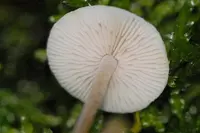
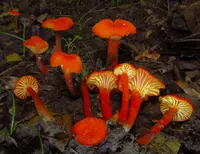
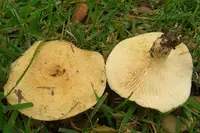
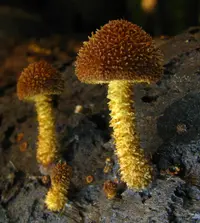
Oily waxcap (Hygrocybe quieta) is a small, waxy-gilled fungus rather than a leafy plant. It forms smooth, often greasy-looking orange to reddish caps on slender stems. Caps and stems feel slightly oily when fresh, which gives this species its common name.

It typically appears in unimproved grasslands, meadows, lawns, and mossy areas across parts of Europe and North America, especially in short, nutrient-poor turf. This fungus is not easy to cultivate because it depends on complex relationships with soil microbes and undisturbed grassland habitats. Most people do not try to care for Oily Waxcap at home, but it can persist outdoors where soil is low in nutrients, moisture is steady, and grass is not heavily fertilized.

Main Plant Requirements

Care Difficulty

Hard Care

Light Preference

Partial Shade

Water Requirements

Keep Soil Moist

Temperature Preference

Cool Climate

Hardiness Zone

5–9

Soil Texture

Loamy, Silty, Organic-rich

Soil pH

Strongly acidic (4.5–5.5), Acidic (5.5–6.5)

Soil Drainage

Moist but well-drained

Fertilization

Minimal (feed rarely)

Get Personalized Care Plan

Scan your plant to receive care tips personalized for your specific plant

Available on iOS and Android

How to Care for the Oily Waxcap

This grassland fungus prefers cool, soft light rather than strong direct sun.

  • Aim for bright, open shade or very light dappled sun, such as north or east-facing woodland edges with 1–3 hours of gentle morning sun.
  • The Oily Waxcap fruits best where taller grasses or low shrubs filter harsh midday and afternoon sun, preventing caps from drying and soil from overheating.
  • Avoid full, unshaded sun in summer, which can dry the turf quickly; in darker sites, fruiting diminishes as competing vegetation becomes dense.

This waxcap needs consistently moist but not waterlogged soil to fruit well.

  • Water only if natural rainfall is low, aiming to keep the top 2–5 cm of turf slightly damp, not soggy, especially during the fruiting season.
  • For Hygrocybe quieta, choose well-drained, low-nutrient grassland or lawn; excess water that pools for more than a few hours increases rot risk.
  • Reduce any supplemental watering in cooler, wet seasons; signs of underwatering include cracked, dry turf, while overwatering shows as slimy, collapsing fruiting bodies.

This species favors cool to mild conditions typical of temperate grasslands.

  • Optimal fruiting often occurs around 50–60°F (10–16°C), with slow activity outside this band but reasonable tolerance from about 40–70°F (4–21°C).
  • Short dips to 32°F (0°C) are usually tolerated in soil, but repeated hard frosts below 28°F (-2°C) can damage emerging fruiting bodies.
  • Sustained heat above 75°F (24°C) with dry weather suppresses fruiting; cooler nights and autumn temperature drops usually trigger stronger appearance.

This fungus prefers consistently moist, cool air but does not demand tightly controlled humidity.

  • Aim for 60–90% humidity by keeping the surrounding leaf litter and soil surface evenly damp, not waterlogged.
  • It tolerates brief drier spells, but prolonged air below ~50% combined with dry substrate reduces fruiting.
  • Low humidity stress shows as caps failing to expand or drying at the margins; lightly mist surrounding debris, not the fruitbodies, to raise humidity.

This woodland fungus needs undisturbed, moist, well-aerated soil to fruit reliably.

  • Provide a loose, humus-rich, slightly sandy loam with abundant leaf litter or fine wood debris to mimic natural forest soil.
  • Ensure free drainage so water percolates through quickly yet the upper 5–10 cm stay evenly moist, not compacted or puddled.
  • Maintain a slightly acidic to neutral pH around 5.0–7.0, avoiding liming that could suppress Hygrocybe quieta mycelium development.
  • Improve aeration by mixing fine bark chips and coarse sand into organic-rich topsoil, and avoid heavy clay or highly fertilized ground.

This species is generally not suitable for container growing, as it relies on complex soil and habitat conditions that are difficult to reproduce in pots.

Hygrocybe quieta is a woodland fungus that relies on natural soil conditions and does not benefit from added fertilizer.

Hygrocybe quieta does not require pruning because mushroom fruiting bodies are temporary and highly seasonal structures.

This waxcap is not suited to container culture, and attempts to move wild colonies usually fail due to its dependence on complex soil fungi and microorganisms.

  • Avoid digging up fruiting clusters; disturbing the turf and soil often disrupts the underground mycelium, the main body of the fungus.
  • If habitat restoration is needed, focus on maintaining low-nutrient, unimproved grassland rather than transplanting individual specimens.
  • Limit soil compaction and heavy disturbance around fruiting areas so the existing mycelial network can persist and spread naturally.

Reproducing Hygrocybe quieta at home is difficult and rarely attempted outside specialist research or conservation projects.

This waxcap is naturally cold hardy in its suitable grassland habitats and needs no specific winter care from gardeners.

Care Tips

Habitat-style spacing

Plant or encourage this fungus in loose, widely spaced grass or moss where leaf litter is minimal, as dense thatch and heavy thatching practices suppress fruiting bodies and reduce long-term colony health.

Gentle ground management

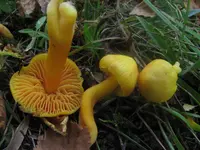
Use a sharp knife to cut mushrooms at the base rather than pulling them out, which helps keep the subterranean mycelium intact and supports continued fruiting in the same spot.

Low-impact mowing

If the site must be mown, keep blades high (7–10 cm) and mow less frequently in late summer and autumn so that caps can mature and release spores before being cut.

Avoid soil enrichment

Do not add compost, manure, or lawn fertilizers in areas where you want to grow Hygrocybe quieta, since nutrient enrichment favors competitive turf species and often eliminates waxcap communities over time.

Selective traffic control

Limit foot traffic and heavy equipment over known fruiting patches, especially in wet weather, to prevent soil compaction that can damage the mycelial network and reduce future mushroom production.

Common Pests and Diseases

Slug grazing

This pest feeds on the fruiting bodies, leaving ragged edges and holes in caps and stems, especially in damp conditions. Symptoms include slime trails on or near the mushrooms and missing tissue on young fruiting bodies.

Solution

Hand-pick slugs in the evening, reduce nearby dense groundcover that shelters them, and avoid leaving boards, pots, or debris that hold moisture. Where allowed, use iron phosphate slug baits sparingly around, not on, the fruiting area to limit damage while maintaining the natural soil community important for growing Oily Waxcap.

Fungus gnat larvae

These insects live in the soil and may tunnel into developing fruiting bodies, causing misshapen caps, weak stems, and premature collapse. Symptoms include small entry holes and soft, waterlogged areas in the lower stem or base of the mushroom.

Solution

Encourage good surface drainage and avoid standing water that favors fungus gnats. Lightly disturb only the top organic debris away from the waxcap patches to reduce larval habitat, and, if infestation is heavy, place yellow sticky traps nearby to lower adult populations without disturbing the soil where the mycelium lives.

Mollusc cap scarring

This pest damage appears as shallow, rough patches and scraped areas on caps rather than deep holes, often caused by snails rasping the surface. Symptoms include irregular, pale abrasions and a slightly rough or etched texture on the upper cap.

Solution

Remove snails manually during cool, damp periods, and limit low, dense vegetation and stacked stones near waxcap-rich turf that provide shelter. For persistent problems, create physical barriers such as rough sand or copper tape around small observation areas rather than applying broad-spectrum pellets that may harm non-target soil organisms.

Interesting Facts

Distinctive oily scent

When crushed, its orange to reddish caps or stems release a noticeable oily, rancid or wax-crayon-like odor, which is a key field character separating it from many other similarly colored waxcaps.

Waxcap grassland specialist

This species typically grows in unimproved, low-nutrient grasslands and old pastures in Europe, making it an indicator of traditional, low-intensity land management.

Color changes with age

Young fruit bodies show brighter orange to reddish hues, but the caps often fade and become paler or more yellowish as they age, which can complicate identification for beginners.

Botan icon

Did you know?

Genetic and ecological studies place this species among waxcaps that are thought to form specialized associations with mosses or grassland soils rather than classic tree-root mycorrhiza, which helps explain its preference for undisturbed, nutrient-poor turf.

FAQs about Oily Waxcap

This species is generally regarded as inedible or of very poor culinary value. It is small, waxy, and offers no notable flavor. Accurate identification of waxcaps is difficult, so foraging for consumption is not recommended.

Grow Healthy Plants with Botan Care

Keep your plants happy and healthy with plant identification, disease detection, and easy care guidance.

Botan plant care app — identify plants on mobile

Explore More Plants