yellowing woodwax Care (Hygrophorus discoxanthus)

yellowing woodwax

About yellowing woodwax

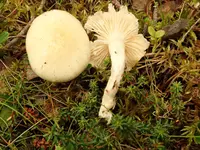
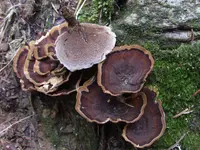
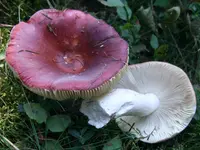
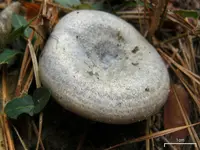
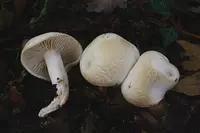
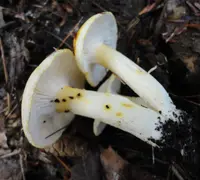
Yellowing woodwax, Hygrophorus discoxanthus, is a woodland mushroom rather than a leafy plant. It forms smooth, waxy caps that turn yellowish with age, often with pale gills and a slender stem.

This species usually appears in conifer or mixed forests, emerging from soil rich in decaying organic matter. It tends to grow singly or in small groups, not dense clusters.

Its seasonal and habitat-specific nature makes it difficult to cultivate reliably at home, so most people only encounter it in the wild. For anyone seeking to learn how to care for yellowing woodwax, the focus is usually on conservation of its forest habitat rather than true indoor or garden cultivation.

Main Plant Requirements

Care Difficulty

Moderate Care

Light Preference

Partial Shade

Water Requirements

Keep Soil Moist

Temperature Preference

Cool Climate

Hardiness Zone

Unknown

Soil Texture

Loamy, Silty, Organic-rich

Soil pH

Slightly acidic (6.5–7.0)

Soil Drainage

Moist but well-drained

Fertilization

Minimal (feed rarely)

Get Personalized Care Plan

Scan your plant to receive care tips personalized for your specific plant

Available on iOS and Android

How to Care for the yellowing woodwax

This fungus prefers cool, subdued forest light rather than direct, open sun.

  • Provide dappled or filtered light under trees, with about 2–4 hours of weak morning sun and the rest of the day in shade.
  • Avoid strong midday or afternoon sun, which can dry the fruiting zone and forest litter too quickly and reduce yellowing woodwax clusters.
  • In hot, bright seasons, favor north or east-facing woodland edges; in cooler months, slightly more open canopy still should not reach full, harsh sun.

This species relies on consistently moist, not saturated, forest soil and litter.

  • Aim for evenly damp humus-rich soil, where the top 2–3 cm feel slightly moist but not muddy when squeezed by hand.
  • Watch for overwatering signs such as standing water, sour smell, or slimy litter, and improve drainage with leaf mold or coarse organic matter.
  • During dry or hot spells, supplement natural rainfall with gentle soaking, allowing surface moisture to sink in fully before the next application.

This woodland fungus fruits best in cool to mild conditions rather than temperature extremes.

  • Optimal fruiting usually occurs around 45–65°F (7–18°C), matching cool autumn or early spring forest conditions.
  • It tolerates brief drops near 32°F (0°C) but hard frost or frozen ground can halt development and damage existing fruiting bodies.
  • Sustained heat above 75°F (24°C) with dry air reduces fruiting; in warmer periods, shade and moisture in the litter layer become especially important.

This fungus prefers consistently moist, cool air rather than specific indoor humidity targets.

  • Aim for ambient humidity around 60–80% in shaded, sheltered outdoor spots.
  • It does not tolerate prolonged dry air or drying winds, which quickly desiccate fruiting bodies.
  • Humidity stress appears as shriveling caps and cracked, dull surfaces; use leaf litter or nearby vegetation to buffer moisture loss.

This species develops best in loose, organic-rich forest soil with steady moisture and high aeration.

  • Provide a loamy, humus-rich substrate that mimics leaf-litter forest floors, with fine roots and woody debris mixed through.
  • Ensure drainage is free yet not fast-draining like pure sand, so the soil stays evenly damp but never waterlogged.
  • Aim for slightly acidic conditions, roughly pH 5.0–6.5, by incorporating leaf mold, pine needles, or conifer duff.
  • For Hygrophorus discoxanthus, avoid compacted clay, heavily fertilized ground, or sterile potting media that lack organic structure and fungal partners.

This fungus is generally unsuitable for container growing because it depends on living tree roots and complex forest soil relationships.

Hygrophorus discoxanthus is a mycorrhizal fungus that typically does not need fertilizer when growing in suitable, undisturbed soil with its host tree.

Hygrophorus discoxanthus does not require pruning, as it is a wild, mycorrhizal fungus rather than a managed garden plant.

This species is best left in its natural mycorrhizal association, so moving or transplanting established colonies is rarely successful.

  • Avoid transplanting; the fungus depends on fine root associations with its host tree that are easily disrupted.
  • If growing in a research or specialized culture setup, only shift substrates when growth declines and mycelium no longer colonizes fresh material well.
  • Time any necessary moves for cool, moist periods to reduce stress on both host roots and fungal mycelium.
  • Handle surrounding soil gently, keeping as much of the original root–soil matrix intact as possible to maintain microscopic connections.

Hygrophorus discoxanthus propagation is specialized and rarely attempted by home growers, as it requires maintaining a living partnership with host tree roots.

This fungus is naturally adapted to outdoor seasonal conditions in its native range and generally needs no special winter care when left in situ.

Care Tips

Use breathable trays

Grow this fungus on slatted or mesh trays set over a moist but not waterlogged substrate so air can move freely around caps and stems, which limits mold and bacterial issues during fruiting.

Rotate culture blocks

Stagger several small substrate blocks started 1–2 weeks apart rather than one large one to maintain a more continuous flush pattern and reduce the risk of total loss from contamination.

Monitor substrate compaction

Check colonized substrate regularly and gently break up or replace sections that have compacted heavily, since tight, airless areas reduce oxygen and can stop fruiting bodies from emerging.

Control fruiting humidity

Use a simple clear plastic tent with adjustable side vents and a small fan on a timer to keep high humidity for fruiting while still allowing brief air exchanges that prevent bacterial blotch on caps.

Record flush conditions

Keep a log of temperature, humidity, substrate recipe, and timing for each flush, as this helps refine Hygrophorus discoxanthus care over time and identify which conditions give the best yields.

Common Pests and Diseases

Mycophagous springtails

These insects feed on fungal tissue and can scar caps and gills, especially in very damp culture boxes or terrariums. Symptoms include pitted, roughened, or partially eaten cap surfaces on developing fruiting bodies.

Solution

Reduce excess moisture, increase fresh air exchange, and remove heavily damaged mushrooms. Sticky traps around culture containers and rinsing or replacing heavily infested substrate help lower populations without harming the fungus itself.

Fungus gnat larvae

This pest lives in moist organic substrate and tunnels into developing fruiting bodies, causing deformed or collapsing caps and stems. Symptoms include soft, water-soaked spots and tiny entry holes at the base of the stipe or in the gills.

Solution

Allow the upper layer of substrate to dry slightly between misting, improve air movement, and remove any infested mushrooms promptly. Use fine mesh over vent holes, yellow sticky traps for adults, and bottom-watering or side-misting methods to keep surfaces less attractive for egg laying during Hygrophorus discoxanthus plant care.

Mucor mold contamination

This disease appears as fast-spreading, fluffy gray to white mold on substrate or on small pins that fail to mature. Symptoms include rapid overgrowth of the casing surface and suppression or distortion of young fruiting bodies.

Solution

Physically remove or cut out moldy substrate sections, discard badly affected cultures, and reduce humidity peaks while improving fresh air exchange. Sterilize or thoroughly clean tools and containers, and avoid over-saturating the substrate to limit future outbreaks.

Trichoderma green mold

This disease begins as white mycelium on substrate, then turns bright to dull green as spores form, often outcompeting the target mycelium. Symptoms include patchy green areas on the casing layer and a sharp slowdown or complete halt in mushroom production.

Solution

Isolate and discard strongly affected substrates, since spores spread easily in enclosed spaces. For mild cases, remove contaminated patches with a clean tool, lower surface moisture, increase airflow, and start future cultures with clean spawn and well-pasteurized substrate to reduce reinfection.

Interesting Facts

Color-changing cap

Mature fruiting bodies show a distinct yellowing of the cap and gills with age or handling, which is a key field character separating this species from similar pale Hygrophorus mushrooms.

Late-season fruiting

This fungus typically fruits in late autumn, often appearing after many other mushroom species have disappeared, making it a characteristic component of cool-season fungal communities in conifer forests.

Conifer forest specialist

The species is mycorrhizal, forming nutrient-exchange partnerships with conifer trees such as spruce and fir, and its presence often indicates relatively undisturbed, mature forest habitats.

Botan icon

Did you know?

The species was historically confused with several other yellowing Hygrophorus taxa, and only careful study of its microscopic features and consistent late-season, conifer-associated ecology has clarified its status in modern European and North American field guides.

FAQs about yellowing woodwax

This mushroom is considered inedible or at best of very poor culinary value. It is small, insubstantial, and not recommended for foraging or consumption. Identification mistakes with similar species also increase the risk of accidental poisoning.

Grow Healthy Plants with Botan Care

Keep your plants happy and healthy with plant identification, disease detection, and easy care guidance.

Botan plant care app — identify plants on mobile

Explore More Plants