Hygrophorus fuligineus Care

Hygrophorus fuligineus

About Hygrophorus fuligineus

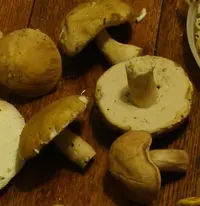
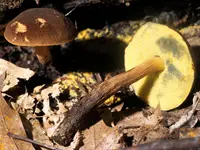
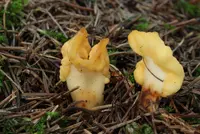
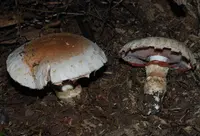
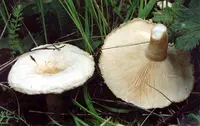
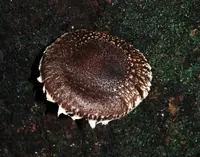
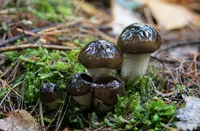
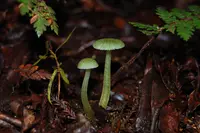
Hygrophorus fuligineus is a fleshy, gilled mushroom rather than a leafy plant. It typically forms medium-sized caps with a smooth, often moist surface in gray-brown to sooty tones. The gills are usually pale and waxy, a common feature of Hygrophorus species.

This fungus is mycorrhizal, meaning it lives in a close partnership with tree roots, most often in conifer or mixed woodlands across parts of Europe. It can be challenging for beginners to grow, since it depends on specific tree partners and natural soil conditions. For most people, it is easier to appreciate in habitat than to attempt to care for Hygrophorus fuligineus at home.

Main Plant Requirements

Care Difficulty

Hard Care

Light Preference

Partial Shade

Water Requirements

Keep Soil Moist

Temperature Preference

Cool Climate

Hardiness Zone

Unknown

Soil Texture

Loamy, Silty, Organic-rich

Soil pH

Acidic (5.5–6.5), Slightly acidic (6.5–7.0)

Soil Drainage

Moist but well-drained

Fertilization

Minimal (feed rarely)

Get Personalized Care Plan

Scan your plant to receive care tips personalized for your specific plant

Available on iOS and Android

How to Care for the Hygrophorus fuligineus

This woodland fungus prefers low to moderate light that mimics a shaded forest floor.

  • Provide bright dappled shade or high, filtered light, with direct sun limited to 1–2 hours of weak morning light only.
  • Position Hygrophorus fuligineus under shrubs or trees where it receives 2–4 hours of shifting light, avoiding strong afternoon sun that can dry the substrate.
  • In summer, increase shade cover if caps or surrounding leaf litter dry and bleach; in low-light seasons, ensure no dense mulch or debris fully blocks light.

Moist, not waterlogged, soil is essential for reliable fruiting of this forest mushroom.

  • Maintain evenly moist leaf litter and top 3–5 cm of soil, allowing only the surface to dry slightly before rewetting.
  • Use loose, well-drained, humus-rich soil so excess water can drain; standing water or sour odors indicate overwatering and risk of rot.
  • During hot, dry periods, add water when leaf litter feels dry and brittle; in cool or rainy seasons, withhold extra water if the substrate stays damp for several days.

This species fruits best in cool, stable conditions typical of temperate forests.

  • Aim for 45–65°F (7–18°C) during active fruiting, which supports steady development without stressing the mycelium.
  • Tolerates brief drops near 32°F (0°C) but repeated hard frost or freeze–thaw cycles can damage fruiting bodies and slow future growth.
  • In warm spells above 75°F (24°C), maintain shade and consistent moisture, as hot, dry conditions quickly desiccate caps and surrounding substrate.

This species is not typically grown as a cultivated plant, and specific humidity control is not considered important for its health.

Hygrophorus fuligineus is a mycorrhizal woodland fungus and cannot be grown reliably in standard horticultural soil.

  • It relies on a living host tree and natural forest litter rather than a prepared potting mix.
  • Artificial substrates, including compost-based mixes, bark blends, or sand–perlite combinations, do not support its full life cycle.
  • Soil chemistry and pH must match its native forest habitat, which is difficult to reproduce consistently in gardens.
  • Attempts to improve drainage or aeration with typical amendments will not substitute for the complex soil–root–fungus relationships it requires.

This species is not suitable for container growing, as it depends on complex interactions with tree roots and natural forest soil.

This woodland fungus gains most nutrients from its mycorrhizal relationship, so Hygrophorus fuligineus usually does not need direct fertilization.

As a mushroom-forming fungus, it does not require pruning; fruiting bodies naturally emerge, mature, and decay without intervention.

This mycorrhizal fungus is not suited to normal pot culture; focus on maintaining suitable woodland-like conditions rather than repotting.

  • Avoid disturbance of established host trees and surrounding soil, since underground fungal networks are sensitive to disruption.
  • If moving young host trees, transplant only when dormant in late fall or early spring, keeping as much native soil around roots as possible.
  • Minimize root stress with gentle handling, shade after transplanting, and consistent, moderate soil moisture until the tree re-establishes.

Hygrophorus fuligineus spreads mainly via spores and extensive underground mycelium, so home propagation is rarely practical.

In its natural range this fungus is cold hardy and normally needs no dedicated winter care.

Care Tips

Use clean substrate

Prepare fruiting containers with pasteurized, not raw, forest soil or leaf litter from broadleaf trees to lower the risk of competing fungi and bacteria when growing Hygrophorus fuligineus.

Mimic forest canopy

Provide dappled shade by using shade cloth or positioning the bed under deciduous shrubs or trees to replicate the filtered light of mixed woodland where this species naturally fruits.

Maintain leaf litter

Keep a loose layer of clean, non-resinous leaf litter over the colonized substrate to help retain moisture, moderate surface temperature, and provide a familiar structure for mushroom emergence.

Gentle harvesting method

Cut fruiting bodies at the base with a clean knife instead of pulling them out to avoid disturbing the mycelium network and to support repeated fruiting from the same area.

Seasonal moisture cues

Start more frequent, light irrigations in late summer to early autumn to simulate natural autumn rains and encourage reliable fruiting responses from the established mycelium.

Common Pests and Diseases

Mycophagous slugs

This pest feeds on caps and gills, leaving irregular holes and slime trails on fruiting bodies. Symptoms include chewed margins, collapsed young mushrooms, and silvery mucus on nearby litter.

Solution

Hand-pick slugs during damp evenings, use beer or yeast traps at soil level, and place rough barriers such as crushed eggshells around fruiting zones. Reduce dense ground-cover vegetation and excess debris that shelter slugs, and use iron phosphate bait sparingly if damage is severe and local regulations allow.

Fungus gnat larvae

These insects develop in moist, organic substrates and can burrow into developing fruiting bodies, causing deformed or water-soaked caps. Symptoms include small entrance holes, soft patches at the cap base, and presence of tiny black adult gnats hovering near the substrate.

Solution

Improve surface drainage and avoid excessively wet, compacted litter around the mycelial zone, since this promotes how to take care of Hygrophorus fuligineus in a more controlled way. Use fine mesh or netting over fruiting areas, apply yellow sticky traps to reduce adults, and, if needed, treat the substrate with a biological control such as Bacillus thuringiensis israelensis (Bti) according to label directions.

Mite infestation

These insects can colonize moist gills and cap surfaces, scraping tissues and spreading micro-organisms that accelerate decay. Symptoms include tiny moving dots on gills, dull or mottled cap surfaces, and rapid deterioration of affected fruiting bodies.

Solution

Remove and discard heavily infested mushrooms and nearby decaying material that harbor mites. Improve air movement at the forest floor or cultivation site, avoid piling wet organic matter directly over the fruiting zone, and, in controlled setups, use predatory mites released according to supplier guidance.

Bacterial blotch

This disease causes greasy, sunken, yellow-brown lesions on caps that may coalesce into large discolored areas. Symptoms include sticky or slimy spots on the cap surface and rapid softening of affected tissue, especially after prolonged wetting.

Solution

Limit overhead wetting by avoiding direct water contact with caps and instead moisten surrounding substrate. Increase airflow so caps dry quickly after rain or misting, remove and discard affected fruiting bodies, and keep handling tools clean to avoid spreading bacteria between clusters.

Competitive mold colonization

This disease results from fast-growing molds invading the same substrate, forming colored patches that suppress or distort mushroom development. Symptoms include visible green, blue, or gray mold mats on litter or soil near primordia, along with reduced or misshapen fruiting.

Solution

Carefully remove and discard moldy substrate and any distorted mushrooms, avoiding dispersal of spores. Reduce excess moisture and standing water, maintain moderate organic debris rather than thick, wet piles, and in controlled environments rotate or rest heavily contaminated beds instead of reusing them immediately.

Interesting Facts

Strong conifer preference

This species is typically found in association with coniferous trees, especially spruce, forming ectomycorrhizal partnerships where its underground mycelium exchanges mineral nutrients for sugars from the tree roots.

Distinctive sooty cap

Mature fruiting bodies often show a dark, sooty-brown cap surface with a slightly greasy to waxy texture when moist, a feature that helps distinguish it from paler, similar Hygrophorus species in the field.

Late-season fruiting

It usually produces mushrooms in late autumn, sometimes appearing after many other fungi have finished fruiting, which can make it one of the last conspicuous waxcap-like mushrooms seen before winter in suitable forests.

FAQs about Hygrophorus fuligineus

This mushroom is generally regarded as inedible or of very poor culinary value. Identification within Hygrophorus can be difficult, so it should not be collected for food. Leave it in place for ecological monitoring and study.

Grow Healthy Plants with Botan Care

Keep your plants happy and healthy with plant identification, disease detection, and easy care guidance.

Botan plant care app — identify plants on mobile

Explore More Plants