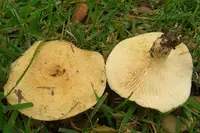
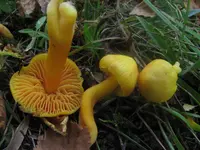
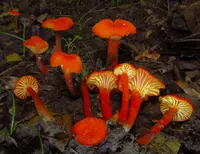
Purple-red hygrophorus Care (Hygrophorus purpurascens)

Also known as: Veiled Purple Waxcap
Purple-red hygrophorus

About Purple-red hygrophorus

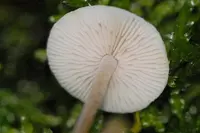
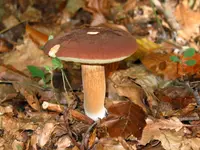
Purple-red hygrophorus (Hygrophorus purpurascens) is a fleshy, gilled mushroom rather than a leafy houseplant. It forms sturdy, medium-sized caps that start pale and develop purple to wine-red tones, especially on the cap center and stem. The gills are waxy, a typical feature of the genus, and the texture is firm and moist. This species occurs mainly in montane and subalpine conifer forests of Europe and North America, often in association with spruce. It fruits on the ground, typically in small groups rather than dense clusters. Many foragers value it as an edible species, but identification must be confident. For anyone wanting to learn how to care for Purple-red hygrophorus in culture, it is considered challenging because it depends on a living tree partner.

Main Plant Requirements

Care Difficulty

Moderate Care

Light Preference

Partial Shade

Water Requirements

Regular Water

Temperature Preference

Cool Climate

Hardiness Zone

Unknown

Soil Texture

Loamy, Sandy, Organic-rich

Soil pH

Acidic (5.5–6.5)

Soil Drainage

Moist but well-drained

Fertilization

Minimal (feed rarely)

Get Personalized Care Plan

Scan your plant to receive care tips personalized for your specific plant

Available on iOS and Android

How to Care for the Purple-red hygrophorus

This woodland mushroom prefers cool, dappled light similar to conifer forest edges.

  • Provide 2–4 hours of gentle morning sun with bright, filtered light the rest of the day when growing near trees or shrubs.
  • Allow partial to full shade under conifers or mixed woodland; Purple-red hygrophorus fruits best where direct midday sun is blocked.
  • Avoid exposed, all-day sun, which dries the forest floor; excessive light and heat reduce fruiting, especially in late summer and early autumn.

This ectomycorrhizal fungus depends on evenly moist, well-drained forest soil rather than direct watering.

  • Aim for soil that stays slightly moist 5–10 cm down, never waterlogged; good drainage and organic litter are more important than frequent watering.
  • If cultivated near host trees, water only when the top 3–5 cm of soil are dry, mimicking natural rainfall patterns rather than a fixed schedule.
  • Watch for prolonged cracking, dusty soil, or wilting nearby vegetation as signs of dryness; standing water, sour smell, or slime on litter suggest overwatering.

This species favors cool to mild conditions that match late-summer to autumn woodland climates.

  • Optimal fruiting occurs around 50–65°F (10–18°C), with mycelium growth possible slightly above and below this range in stable forest soil.
  • It tolerates short drops near 32°F (0°C) at the soil surface but is sensitive to hard, prolonged frost without insulating leaf litter or snow cover.
  • Sustained heat above 77–82°F (25–28°C) combined with dry soil suppresses fruiting; intact canopy shade and mulch help moderate temperature swings.

This ectomycorrhizal fungus does not require managed air humidity under normal outdoor conditions.

This woodland fungus needs a specific outdoor substrate rather than typical potting soil.

  • Hygrophorus purpurascens associates with conifer roots in moist, well-aerated forest soil rich in decaying needles and organic matter.
  • Texture is usually loose, humus-rich, and slightly gritty from mineral soil, allowing steady moisture without standing water.
  • Fruiting is favored in slightly acidic conditions, roughly pH 5.0–6.5, often in long-established conifer stands.
  • To mimic habitat in managed sites, maintain a mulch layer of conifer needles and leaf litter instead of using dense, compacted mineral soil.

This species is not suitable for true container cultivation because it depends on living tree roots in the ground.

This mycorrhizal fungus does not need routine fertilization and usually performs best in naturally fertile, undisturbed soil.

Hygrophorus purpurascens does not require pruning, as individual mushrooms are short-lived and arise seasonally from underground mycelium.

This species is not suited to container culture, so care focuses on minimal disturbance of its forest habitat rather than repotting.

  • Avoid transplanting, since the fungus depends on stable mycorrhizal associations with host tree roots.
  • If disturbance is unavoidable, keep surrounding soil intact and move a generous soil plug with visible roots.
  • Transplant only during cool, moist weather to reduce stress on both trees and fungal mycelium.
  • After any soil movement, maintain consistent moisture and avoid soil compaction in the new location.

Hygrophorus purpurascens propagation is difficult in gardens because it relies on complex mycorrhizal relationships with conifer roots.

This forest fungus is naturally cold hardy in its native range and needs no special winter care in outdoor conditions.

Care Tips

Site hygiene

Remove and discard any decaying wood, leaf litter, or old fruiting bodies from the fruiting zone after each flush to reduce fungal competitors and bacterial buildup that can suppress new primordia formation.

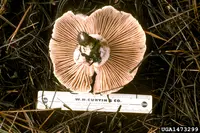
Mycelium protection

Avoid raking, deep hoeing, or heavy foot traffic within the known mycelium area around the host conifer roots, as mechanical disturbance can break up the mycelial network and sharply reduce future fruiting.

Host tree management

Maintain the health of the associated conifer by moderate, not excessive, irrigation and by avoiding high-nitrogen fertilization near the drip line, since a stable, mildly nutrient-poor environment favors consistent Hygrophorus purpurascens fruiting.

Microclimate moderation

Use a light surface layer of loose conifer needles or coarse wood chips to buffer soil moisture and temperature without compacting the surface, which helps stabilize the microclimate where fruiting bodies emerge.

Targeted observation

Map and tag the exact spots where caps appear in one season and recheck those locations during similar weather windows the following year, since caring for Purple-red hygrophorus is more effective when the most productive mycelium zones are monitored closely over time.

Common Pests and Diseases

Mycophagous slugs

This pest feeds on the fruiting bodies, leaving irregular holes, shredded caps, and slime trails on and around the mushroom.

Solution

Hand-pick slugs during damp evening or early morning periods, reduce nearby ground cover such as dense leaf litter where they hide, and if allowed in your area, use iron phosphate slug bait placed away from children and pets to limit feeding on developing mushrooms.

Fungus gnat larvae

These insects develop in moist organic soil and can tunnel into mushroom stems and caps, causing soft patches, collapse, or malformed fruiting bodies.

Solution

Reduce excessive surface moisture, remove heavily damaged mushrooms promptly, and use fine mesh or fabric covers over small cultivation areas to block adult gnats; in managed beds, a biological control such as Bacillus thuringiensis israelensis (BTI) granules can be applied to the substrate according to label directions.

Mite feeding damage

This pest includes small soil and litter-dwelling mites that rasp mushroom surfaces, leading to pitting, discoloration, and sometimes contamination by secondary molds.

Solution

Limit very wet, compact organic layers where mites thrive, remove and discard damaged mushrooms, and in controlled cultivation spaces keep debris minimal and use clean, well-aerated substrate to discourage high mite populations.

Parasitic mold infestation

This disease is caused by opportunistic molds that colonize damaged or overmature fruiting bodies, producing gray, green, or white fuzzy growth and rapid decay.

Solution

Harvest mushrooms promptly when mature, avoid overhead watering of caps, improve air movement around the fruiting area, and remove any moldy mushrooms and surrounding substrate to reduce spore load and protect remaining fruiting bodies.

Bacterial blotch

This disease develops on wet mushroom surfaces, producing greasy yellow to brown spots and soft, water-soaked areas that may break down quickly.

Solution

Minimize prolonged surface wetness by watering the substrate rather than directly on caps, provide good ventilation so caps dry between irrigations, and remove affected mushrooms at the first signs of spotting to limit bacterial spread and maintain overall Hygrophorus purpurascens care instructions quality in managed beds.

Interesting Facts

Color-changing flesh

The flesh of this species slowly turns reddish to purplish when cut, bruised, or exposed to air, a reaction caused by pigment oxidation in the mushroom tissues.

Mountain conifer associate

This fungus is strongly associated with conifer trees in montane and subalpine forests, particularly spruce and fir, forming ectomycorrhizal partnerships that help both partners access water and nutrients.

Late-season fruiting

It typically fruits late in the mushroom season, often appearing after many other fleshy fungi have disappeared, and is frequently found near melting snowbanks in higher-elevation habitats.

Botan icon

Did you know?

This species is considered regionally rare or uncommon in parts of Europe, and in some countries it is monitored as a conservation-relevant fungus due to its specialized habitat and sensitivity to changes in mountain conifer forests.

FAQs about Purple-red hygrophorus

This mushroom is considered edible but is not widely collected as a prime culinary species. Accurate identification is critical, since some purple or red hygrophoroid fungi resemble toxic species. Only experienced foragers should harvest and eat it.

Grow Healthy Plants with Botan Care

Keep your plants happy and healthy with plant identification, disease detection, and easy care guidance.

Botan plant care app — identify plants on mobile

Explore More Plants