Rosy Brown Waxy Cap Care (Hygrophorus roseobrunneus)

Rosy Brown Waxy Cap

About Rosy Brown Waxy Cap

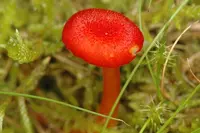
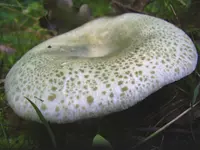
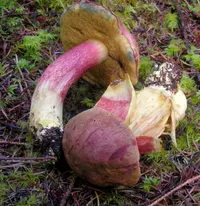
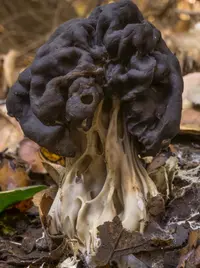
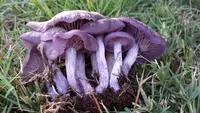
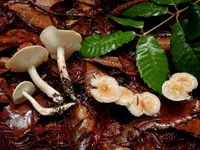
Rosy brown waxy cap (Hygrophorus roseobrunneus) is a small, fleshy mushroom rather than a leafy plant. It produces smooth, waxy caps in soft pinkish to brown tones with pale, widely spaced gills. The slender stem is usually pale and slightly sticky in damp conditions.

This species is typically found in woodland or forest habitats, often in association with trees, forming a mycorrhizal partnership where fungus and roots exchange nutrients. It can be challenging to cultivate because it depends on this living root connection, so attempts to care for Rosy Brown Waxy Cap at home are rarely successful.

In nature it favors moist, cool, undisturbed soil with consistent humidity and dappled shade, appearing seasonally when conditions are right.

Main Plant Requirements

Care Difficulty

Moderate Care

Light Preference

Partial Shade

Water Requirements

Regular Water

Temperature Preference

Cool Climate

Hardiness Zone

Unknown

Soil Texture

Loamy, Silty, Organic-rich

Soil pH

Acidic (5.5–6.5)

Soil Drainage

Moist but well-drained

Fertilization

Minimal (feed rarely)

Get Personalized Care Plan

Scan your plant to receive care tips personalized for your specific plant

Available on iOS and Android

How to Care for the Rosy Brown Waxy Cap

This ectomycorrhizal fungus prefers cool, subdued woodland light rather than direct, open sun.

  • Provide dappled or filtered light under trees, approximating 2–4 hours of soft morning sun with shade or speckled light the rest of the day.
  • Avoid strong midday and afternoon sun, especially in open clearings, as caps can dry and substrates overheat, reducing Rosy Brown Waxy Cap fruiting.
  • Fruiting is best in autumn when day length shortens and sun sits lower; maintain a shaded, leaf-littered habitat that never receives bare, all-day exposure.

This woodland fungus depends on consistently moist, but not waterlogged, soil around its tree partners.

  • Aim for soil that feels evenly moist 3–5 cm down, never dusty-dry or soupy; natural rainfall in humid forests usually suffices if leaf litter is present.
  • Watch for overwatering signs such as standing puddles, sour smell, or slimy organic matter, which indicate poor aeration and reduced Hygrophorus roseobrunneus activity.
  • In dry spells, lightly irrigate the forest floor or host-tree root zone every few days, allowing the surface to barely dry between waterings while keeping deeper layers damp.

This species fruits best in cool to mild conditions typical of autumn in temperate forests.

  • Optimal fruiting usually occurs around 45–60°F (7–16°C), with mycelium growth continuing more broadly from about 40–68°F (4–20°C).
  • Short exposures down to 32°F (0°C) may be tolerated in soil, but repeated hard frosts below 28°F (-2°C) can stop fruiting and damage young mushrooms.
  • Temperatures above 70–75°F (21–24°C), especially with dry air, reduce fruiting; shaded, moist forest floors buffer heat and help maintain a cooler microclimate.

This ectomycorrhizal mushroom requires consistently moist, cool air and substrate rather than typical houseplant-style humidity management.

  • Aim for 70–90% ambient humidity around fruiting areas, similar to a damp woodland edge or shaded lawn after rain.
  • Dry air leads to cap cracking, pale or shriveling gills, and rapid collapse of fruiting bodies, indicating excessive evaporation.
  • Increase humidity by using misting over the surrounding ground, overhead fine-spray irrigation, or temporary plastic sheeting that allows some air exchange.

This fungus fruits in humus-rich, undisturbed ground where its mycelium associates with tree roots, not in typical potted mixes.

  • Provide a deep, loose, organic-rich layer using leaf litter, partially decomposed wood, and loamy mineral soil to mimic forest-floor structure.
  • Ensure free drainage; soil should stay evenly moist yet never waterlogged, with water percolating away rather than pooling at the surface.
  • A slightly acidic to neutral pH around 5.5–7 suits most ectomycorrhizal partners; avoid liming the site unless soil is extremely acidic.
  • Maintain aeration by avoiding compaction; add shredded bark or leaf mold instead of dense clay to support Hygrophorus roseobrunneus mycelium spread.

This species is generally unsuitable for container growing because it depends on forming ectomycorrhizal relationships with trees in open ground.

This mycorrhizal fungus is adapted to low-nutrient woodland soils and normally does not need extra feeding for healthy fruiting.

Hygrophorus roseobrunneus forms short-lived mushrooms and does not require structural pruning.

This species associates with tree roots in soil, so it is not suited to conventional repotting but site conditions can be optimized.

  • Avoid disturbing existing host tree roots; instead, enhance the surrounding soil environment if growth seems sparse.
  • Transplanting mycelium is unreliable; if attempted, move a small block of intact forest soil rather than bare mycelium.
  • Carry out any soil-moving work in cool, moist weather to limit desiccation stress on the fungal network.

Reproducing Hygrophorus roseobrunneus is challenging because it depends on a compatible tree host and complex soil fungi interactions.

In its natural range this woodland fungus is cold hardy and needs no special winter care beyond conserving its habitat.

Care Tips

Habitat mimicry

When establishing a patch, place spawn or collected caps only under compatible host trees (commonly broadleaf species they were found with) and in undisturbed leaf litter to mimic the original woodland microhabitat as closely as possible.

Leaf litter management

Retain a 3–5 cm layer of mixed, untreated leaf litter and fine twigs over the colonized area, topping it up gently each autumn to protect the mycelium from drying and temperature swings without compacting the soil.

Gentle harvesting

Cut mushrooms at the base with a clean knife rather than pulling them out, and avoid disturbing the surrounding soil and litter so the underground mycelium network remains intact for future fruiting.

Foot traffic exclusion

Mark the colonized zone with discreet stakes or stones and avoid walking or storing tools on it, since repeated compaction can damage mycelium and sharply reduce fruiting when caring for Rosy Brown Waxy Cap.

Moisture buffering

In dry spells, use a coarse, untreated wood-chip or shredded-bark ring around the fruiting area (not directly on emerging mushrooms) to help buffer moisture and reduce the frequency of supplemental watering.

Common Pests and Diseases

Mycophagous springtails

These insects feed on fungal tissue and can graze caps and gills, leaving small pits or roughened, scarred areas on fruiting bodies. Symptoms include malformed or partially eaten mushrooms, especially in moist, confined cultivation setups.

Solution

Reduce excess surface moisture, improve ventilation, and remove heavily damaged fruiting bodies. In small indoor or greenhouse setups, use fine mesh barriers, sticky traps near culture containers, and spot-treat surrounding substrate with an insecticidal soap solution that does not contact the fungal tissue directly.

Fungus gnat larvae

This pest lives in damp substrates and tunnels through developing fruiting bodies and mycelium, causing collapse, misshapen caps, and water-soaked lesions. Symptoms include weak, toppled mushrooms and visible tiny black gnats flying near the growing area.

Solution

Allow the top layer of the substrate or casing to dry slightly between misting, use yellow sticky traps to reduce adult populations, and cover vent holes with fine mesh. In persistent cases, treat the surrounding soil or casing with a biological control such as Bacillus thuringiensis israelensis, avoiding direct application to the fruiting bodies.

Bacterial blotch

This disease produces greasy-looking, yellow to brown spots or streaks on caps that may become sunken and slimy in very wet conditions. Symptoms include localized discoloration that spreads under prolonged surface wetness and poor air movement.

Solution

Limit overhead misting onto caps, focus on raising ambient humidity instead, and increase air exchange to dry mushroom surfaces between humidity cycles. Remove and discard severely affected fruiting bodies and disinfect tools and trays with a mild bleach solution before the next flush as part of general Hygrophorus roseobrunneus care.

Green mold contamination

This disease is caused by Trichoderma species that invade the substrate, forming dense white mycelium that turns bright green as it sporulates and suppresses mushroom growth. Symptoms include stalled or patchy fruiting and a powdery green layer on the casing or substrate.

Solution

Promptly remove and discard heavily contaminated blocks or trays to prevent spore spread, and reduce mechanical disturbance in the grow space. For minor, early patches, carefully cut out affected substrate, reduce watering, improve airflow, and thoroughly clean the growing area, tools, and surrounding surfaces before starting new cultures.

Interesting Facts

Late-season fruiting

This species typically fruits in late autumn in Europe, often appearing after many other mushroom species have finished for the year, which makes it a characteristic component of late-season fungal communities in its habitats.

Preference for calcareous soils

Field records associate this waxcap with calcareous or base-rich soils, where the higher calcium content and neutral to slightly alkaline pH seem to favor its mycelial growth and fruiting.

Association with conifers

It is mainly recorded in coniferous forests, especially under spruce and related trees, reflecting its ecological preference for needle litter and the microclimate of these stands.

FAQs about Rosy Brown Waxy Cap

This mushroom is poorly documented and should be treated as not edible. Identification within Hygrophorus can be difficult, and similar species may cause gastrointestinal upset. For safety, do not consume it and avoid experimental tasting.

Grow Healthy Plants with Botan Care

Keep your plants happy and healthy with plant identification, disease detection, and easy care guidance.

Botan plant care app — identify plants on mobile

Explore More Plants