Winter drainage prep
In late fall, top-dress around clumps with a 1–2 in layer of sharp grit or small gravel to keep the crown drier over winter and reduce rot in heavy or wet soils.

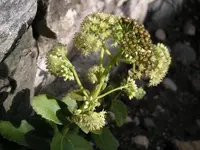
Great stonecrop, Hylotelephium maximum, is a hardy perennial succulent grown mainly for its fleshy leaves and late-season flower clusters. It forms low, spreading clumps that slowly widen rather than growing tall. Dense, star-shaped flowers appear in flat-topped clusters, attracting bees and other pollinators. The foliage is typically blue-green to gray-green and stays attractive for much of the growing season. In the wild, this species occurs on rocky slopes, cliffs, and dry grasslands across parts of Europe and Asia. Its drought tolerance and modest nutrient needs make it suitable for beginners who want to care for Great Stonecrop with minimal effort. It prefers sun, sharp drainage, and relatively dry conditions.

Care Difficulty
Easy Care

Light Preference
Full Sun

Water Requirements
Low Water

Temperature Preference
Cold Hardy

Hardiness Zone
3–9

Soil Texture
Sandy, Loamy, Rocky

Soil pH
Slightly acidic (6.5–7.0), Neutral (7.0)

Soil Drainage
Well-drained

Fertilization
Minimal (feed rarely)
Scan your plant to receive care tips personalized for your specific plant
Available on iOS and Android
This sun-loving perennial thrives in open, bright exposures with direct light for most of the day.
This succulent stores moisture in its leaves and prefers infrequent, deep watering in fast-draining soil.
This hardy perennial tolerates a wide temperature range but grows best in moderate conditions.
Humidity is rarely a concern for Hylotelephium maximum, which thrives in relatively dry air.
Hylotelephium maximum prefers lean, mineral-rich, sharply drained soil that never stays waterlogged.
This species is well suited to container growing when the pot is set up to prevent waterlogging.
This hardy succulent needs only light feeding, as Great Stonecrop thrives in relatively poor soils.
Pruning Hylotelephium maximum is simple and mainly helps maintain a tidy clump and strong flowering.
This species is more often transplanted in garden beds than repotted, as it thrives in open, well-drained soil.
Hylotelephium maximum is commonly propagated to expand plantings or refresh older clumps.
This cold-hardy perennial usually needs minimal winter care in garden beds.

Plant Health Check
Not sure what's wrong with your plant? Check your plant's health inside the app.
This species is native to a wide belt from central and eastern Europe through Siberia, thriving in cold, dry, and often nutrient-poor habitats such as rocky slopes and steppe grasslands.
Its thick, fleshy leaves store water and contain antifreeze-like compounds that help the plant tolerate freezing winters far better than many other succulents.
The flat-topped clusters of small star-shaped flowers often bloom late in the season and provide an important nectar and pollen source for bees, hoverflies, and other insects when many other wildflowers have already finished flowering.
Lack of blooms usually comes from too much shade, excess nitrogen fertilizer, or overcrowded, old clumps. Improve light, avoid rich feeding, and divide congested plants every few years. These steps are key for Hylotelephium maximum care.
Keep your plants happy and healthy with plant identification, disease detection, and easy care guidance.