Sedum Care (Hylotelephium spectabile 'Neon')

Also known as: Stonecrop
Sedum

About Sedum

Sedum (Hylotelephium spectabile 'Neon') is a deciduous, clump-forming succulent perennial valued for its bright, flat-topped flower clusters and fleshy leaves. It belongs to the stonecrop group, known for drought tolerance and strong sun preference.

This cultivar typically forms upright stems with dense, neon pink flower heads that attract bees and butterflies late in the season. Its succulent foliage stores water, which makes it forgiving if watering is occasionally missed.

The species originates from East Asia but is widely grown in temperate gardens and containers. Understanding how to care for Sedum is straightforward, as it prefers full sun, good drainage, and relatively lean, dry soil.

Its sturdy growth habit and low maintenance needs make it suitable for beginners and for low-input landscapes.

Main Plant Requirements

Care Difficulty

Easy Care

Light Preference

Full Sun

Water Requirements

Low Water

Temperature Preference

Cold Hardy

Hardiness Zone

3–9

Soil Texture

Sandy, Loamy, Rocky

Soil pH

Acidic (5.5–6.5), Slightly acidic (6.5–7.0)

Soil Drainage

Well-drained

Fertilization

Minimal (feed rarely)

Get Personalized Care Plan

Scan your plant to receive care tips personalized for your specific plant

Available on iOS and Android

How to Care for the Sedum

This sun-loving perennial thrives in bright outdoor conditions when light is strong but not extreme all day.

  • Provide 6–8 hours of direct sun daily; morning to early afternoon sun is ideal for compact growth and vivid neon-pink flower color.
  • Accepts light partial shade, especially with filtered afternoon sun in hotter regions, but flowering and stem strength decline in too much shade.
  • In very hot climates, protect from harsh sun from about 2–5 p.m. to reduce leaf scorch and soil moisture loss, especially on shallow or sandy sites.

This succulent stores water in its fleshy leaves and prefers infrequent, deep watering in sharply drained soil.

  • Outdoors in the ground, water only when the top 3–5 cm of soil are completely dry; in many climates this means every 7–14 days in summer, less in cool or rainy periods.
  • Use fast-draining, gritty soil to prevent standing water; yellowing, mushy stems or leaves indicate overwatering and possible root rot.
  • Allow longer dry intervals in fall and winter; soft, shriveling foliage signals the plant stayed dry too long and needs a thorough soak.

This hardy perennial handles a wide range of outdoor temperatures when soil drains well and roots do not stay waterlogged.

  • Optimal growing temperatures are about 65–80°F (18–27°C) during the day, with slightly cooler nights supporting sturdy, compact growth.
  • Tolerates winter cold down to about -20°F (-29°C) when planted in the ground and mulched lightly, entering dormancy and regrowing in spring.
  • Endures short heat waves up to about 95°F (35°C) if soil is well drained; in prolonged heat, reduce watering frequency but water more deeply each time.

Humidity is rarely a concern for Hylotelephium spectabile 'Neon' in typical home or outdoor conditions.

Hylotelephium spectabile 'Neon' grows best in lean, sharply drained soil that prevents waterlogging around its succulent roots.

  • Use a sandy or gritty loam, such as 50–60% standard potting mix blended with 40–50% mineral material like coarse sand, pumice, or perlite.
  • Aim for slightly acidic to neutral pH, roughly 6.0–7.0, which supports nutrient availability without stressing the roots.
  • Increase aeration by avoiding fine, peat-heavy mixes that compact easily; incorporate small gravel or coarse grit to keep pores open.
  • Avoid clay-heavy or consistently wet sites, as saturated conditions quickly lead to root rot in this Sedum.

This species is well suited to container growing outdoors on patios, balconies, or sunny steps.

  • Choose a wide, shallow container that allows the fibrous root system to spread while keeping excess depth, and therefore moisture retention, to a minimum.
  • Select a heavy or weighted pot if placed in windy, exposed spots, as the flower stems can become top-heavy in bloom.
  • Raise the container slightly on pot feet or bricks so drainage holes discharge freely and do not stay in contact with pooled water.

This plant needs only light feeding, as Sedum species are adapted to lean soils.

  • Use a balanced, slow-release granular fertilizer or light compost in spring as new growth starts.
  • Apply once at the beginning of the growing season; avoid repeated doses that cause weak, floppy stems.
  • Dilute liquid feeds to 1/2 strength if used, and water before and after to prevent root burn.
  • Stop feeding in late summer so growth can harden before winter dormancy.

Pruning supports tidy growth and abundant flowering in Hylotelephium spectabile 'Neon'.

  • Cut back dead flower heads and stems in late winter or very early spring before new shoots emerge.
  • Remove dead, damaged, or flopping stems at the base to reduce disease risk and improve air flow.
  • Lightly thin crowded shoots to keep clumps upright and encourage larger flower heads.
  • Use clean, sharp pruners or scissors and avoid cutting into very young, soft shoots.

This plant prefers stable conditions and is usually transplanted infrequently.

  • Check for roots circling the container drainage holes, soil drying very fast, or reduced growth as signs it needs more space.
  • Plan repotting or garden transplanting in early spring or early fall when temperatures are mild.
  • Move clumps every 3–4 years if overcrowded, choosing a well-drained, sunny spot with similar soil conditions.
  • Water thoroughly the day before, handle the root ball gently, and keep soil slightly moist for 1–2 weeks afterward.

Hylotelephium spectabile 'Neon' is commonly propagated by stem cuttings and division.

  • Take non-flowering stem cuttings in late spring or early summer and allow cut ends to dry for a few hours.
  • Insert cuttings into a sharply drained, sandy mix and keep barely moist in bright, indirect light until rooted.
  • Divide mature clumps in early spring or early fall, ensuring each division has several healthy shoots and roots.
  • Replant divisions at the same depth, water lightly, and avoid heavy feeding until new growth is established.

This hardy perennial usually needs minimal winter care in temperate climates.

  • Tolerates frost and freezing once established, with top growth naturally dying back after hard frosts.
  • Leave dry flower stalks over winter for crown insulation and structural interest, then cut back in late winter.
  • In very cold or exposed sites, apply a light mulch around the crown to buffer freeze–thaw cycles.
  • For container plants in colder zones, move pots to a sheltered, unheated area to reduce root freezing risk.

Care Tips

Pinch For Bushiness

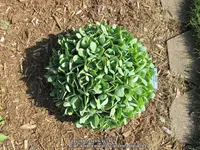
Pinch out the soft tips of young stems in late spring to encourage branching and create a denser dome of flower heads that resists flopping.

Discreet Plant Support

In windy or exposed sites, place low ring supports or short peony hoops around the clump in early summer so stems grow through them and stay upright without needing later tying.

Mid‑Season Rejuvenation

If stems start to sprawl, cut back the front third of the clump by about 1/3 in early summer; these shortened stems will flower slightly later and help create a tiered, fuller display.

Flower Deadheading Strategy

For the longest color, remove only badly faded or collapsing flower heads, but leave some sturdy seed heads over winter to provide structure and habitat before cutting them back in late winter.

Division For Vigor

Divide congested clumps every 3–5 years in early spring by lifting, slicing into several firm sections with healthy buds, and replanting at the same depth to maintain strong, floriferous growth when growing Sedum.

Common Pests and Diseases

Aphids

This pest feeds on tender shoots and flower stems, sucking sap and causing distorted growth and sticky honeydew on foliage. Symptoms include curled leaves, stunted new growth, and a decline in flowering quality.

Solution

Rinse colonies off stems and buds with a strong stream of water, then spot-treat remaining clusters with insecticidal soap or a light horticultural oil, applied in the early morning or evening to avoid leaf scorch. Encourage natural predators such as lady beetles and avoid high nitrogen fertilization that promotes soft, aphid-prone growth when planning Hylotelephium spectabile 'Neon' care instructions.

Mealybugs

This pest appears as white, cottony clusters in stem joints and along fleshy shoots, where insects suck sap and weaken the plant. Symptoms include sticky residue, yellowing patches, and slow decline in vigorous clumps.

Solution

Isolate affected plants, then dab visible insects with cotton swabs dipped in isopropyl alcohol and repeat weekly until no new clusters appear. For heavier infestations, use insecticidal soap or a systemic insecticide labeled for ornamental succulents, and thin crowded stems to improve airflow at the plant base.

Leaf spot

This disease causes irregular tan, brown, or purplish spots on leaves, often with a yellow halo, leading to premature leaf drop in humid or crowded plantings. Symptoms include patchy foliage and thinning lower leaves while upper stems remain relatively healthy.

Solution

Remove and discard affected leaves and any plant debris at the crown, then improve spacing and airflow so foliage dries quickly after rain or irrigation. If the problem recurs, apply a garden fungicide labeled for ornamental perennials at the first sign of spotting and avoid overhead watering whenever possible.

Powdery mildew

This disease produces a fine white or gray powder on leaves and stems, especially in warm days with cool, humid nights. Symptoms include dull, mottled foliage that may yellow and distort, reducing the plant’s ornamental value.

Solution

Increase sun exposure and airflow by thinning crowded stems and nearby plants, and water at soil level in the morning so foliage stays dry. At early stages, remove the worst-affected leaves and use a labeled fungicide or potassium bicarbonate spray according to directions, repeating as needed during extended humid periods.

Slugs and snails

These pests chew irregular holes in leaves and young shoots, often leaving shredded margins and slime trails on or around the plant. Symptoms include notched foliage and damage that appears overnight, especially in damp, shaded sites or heavy soil.

Solution

Hand-pick slugs and snails in the evening or early morning and reduce hiding spots such as dense mulch and debris around the crown. Use iron phosphate slug baits, copper barriers, or beer traps as targeted controls, and improve drainage so the planting area stays drier, which makes conditions less favorable for these pests.

Interesting Facts

Distinct neon pigmentation

The vivid pink flower color of this cultivar comes from high concentrations of anthocyanin pigments, which intensify in full sun and cool late-season nights, making the inflorescences appear almost fluorescent compared with typical Hylotelephium spectabile types.

Late-season pollinator magnet

Its dense, flat-topped flower clusters open in late summer and autumn, providing one of the few high-nectar resources for bees, hoverflies, and butterflies when many other garden perennials have finished flowering.

Structural winter interest

The sturdy upright stems resist lodging and often remain standing into winter, with the dried flower heads catching frost and snow, which increases structural diversity in ornamental plantings and offers shelter for small invertebrates.

FAQs about Sedum

Poor flowering usually comes from too much shade, overly rich or wet soil, or heavy fertilizer. This species blooms best when slightly stressed, with full sun, lean well-drained soil, and no high-nitrogen feeding during summer.

Grow Healthy Plants with Botan Care

Keep your plants happy and healthy with plant identification, disease detection, and easy care guidance.


Botan plant care app — identify plants on mobile

Explore More Plants