Hymenophyllum sanguinolentum Care

Hymenophyllum sanguinolentum

About Hymenophyllum sanguinolentum

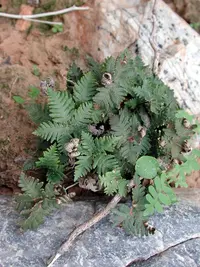
Hymenophyllum sanguinolentum is a delicate filmy fern, valued for its extremely thin, translucent fronds that create a soft, moss-like texture. It usually forms small, lacy clumps rather than tall, upright foliage.

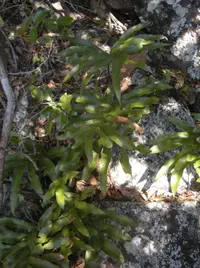
This species is naturally found in cool, very humid forests of New Zealand and nearby regions, often growing on rocks, tree trunks, or in deep shade. Its paper-thin fronds dry out quickly, so constant moisture and high humidity are essential.

Because it is sensitive to drying and strong light, it is considered a challenging species for most indoor growers. Anyone who wants to learn how to care for Hymenophyllum sanguinolentum should be prepared to provide stable moisture, gentle airflow, and low, filtered light.

Main Plant Requirements

Care Difficulty

Hard Care

Light Preference

Shade

Water Requirements

Keep Soil Moist

Temperature Preference

Tropical / Frost Sensitive

Hardiness Zone

10–11

Soil Texture

Peaty, Organic-rich, Loamy

Soil pH

Strongly acidic (4.5–5.5), Acidic (5.5–6.5)

Soil Drainage

Moist but well-drained

Fertilization

Minimal (feed rarely)

Get Personalized Care Plan

Scan your plant to receive care tips personalized for your specific plant

Available on iOS and Android

How to Care for the Hymenophyllum sanguinolentum

This fern needs low, very filtered light that mimics a shaded forest understory.

  • Provide bright, indirect light or deep dappled shade, such as under larger plants or on a shaded wall with only 1–2 hours of soft morning sun.
  • Avoid direct midday and afternoon sun, which quickly scorches the thin fronds and causes brown, crispy edges.
  • In summer, move Hymenophyllum sanguinolentum to deeper shade if light intensifies, and in winter ensure it still receives soft, indirect light for 4–6 hours.

This species needs constantly moist but not waterlogged conditions around its fine roots and rhizomes.

  • Water whenever the surface feels just barely dry, before the top 1–2 cm fully dries, aiming to keep the substrate evenly damp at all times.
  • Use a loose, humus-rich, sharply draining mix; water slowly so it soaks through, then let excess drain completely to avoid stagnant water and root rot.
  • Reduce watering slightly in cooler months while never allowing the root zone to dry; pale, crisp fronds indicate underwatering, while blackened, mushy bases suggest overwatering.

This fern prefers cool to mild, consistently humid conditions without temperature extremes.

  • Aim for 55–70°F (13–21°C) for best growth; stable, cool conditions support its thin, delicate fronds.
  • Protect from cold below about 40°F (4°C); brief dips a little lower may be tolerated, but hard frost damages fronds and can kill exposed rhizomes.
  • In warm spells above 77–80°F (25–27°C), increase humidity and shade, as hot, dry air quickly dehydrates Hymenophyllum sanguinolentum and leads to frond collapse.

This fern needs constantly high humidity to keep its delicate fronds hydrated and intact.

  • Aim for 80–100% humidity, similar to a cloud-forest environment, as lower levels quickly desiccate the fronds.
  • Dry indoor air below ~60% leads to crisping edges, curled fronds, and stalled new growth.
  • Use an enclosed terrarium, glass case, or covered display with fine misting and gentle air movement instead of open-room conditions.

This species prefers a very loose, moisture-retentive yet airy substrate that mimics mossy rock or rotting wood.

  • Use a mix dominated by fine orchid bark, sphagnum moss, and leaf mold or composted bark, with only a small fraction of fine soil.
  • Ensure the mix drains freely but never becomes compact; the structure should feel spongy and springy when squeezed.
  • Keep pH slightly acidic, roughly 5.0–6.0, by using peat or long-fiber sphagnum rather than alkaline components like limestone chips.
  • Avoid dense peat blocks, standard potting mix, or any medium that stays waterlogged, as roots and rhizomes are thin and prone to rot.

This fern is suitable for containers, especially terrariums or shallow hanging planters that maintain constant moisture.

  • Choose a wide, shallow container so the creeping rhizomes can spread horizontally rather than down into deep, stagnant mix.
  • Use plastic or glazed ceramic rather than unglazed clay to slow evaporation and keep the fine root zone evenly moist.
  • Mount on a slab within a container or fix the substrate against one side to keep the fronds upright and reduce water pooling at the crown.

This delicate fern grows naturally in nutrient-poor habitats, so Hymenophyllum sanguinolentum needs only very light feeding in cultivation.

  • Use a very dilute balanced liquid fertilizer (around 1/8–1/4 strength, such as 10-10-10) during active growth in spring–summer.
  • Feed no more than every 4–6 weeks, and only when the plant is well hydrated and not stressed.
  • Avoid slow-release pellets or heavy composts that can burn fine roots or alter moisture around the rhizome.
  • Stop feeding in fall and winter, when growth slows and nutrient demand is minimal.

Pruning Hymenophyllum sanguinolentum is minimal and focuses on hygiene rather than reshaping the plant.

  • Carry out light grooming at any time, with a slight preference for late winter or early spring before new fronds expand.
  • Snip off dead, yellowing, or damaged fronds at the base using small, sharp scissors or snips disinfected with alcohol.
  • Remove crowded, tangled, or rotting fronds to improve air movement and reduce fungal problems in humid conditions.
  • Avoid cutting healthy green fronds heavily, as this reduces photosynthesis and can weaken the plant.

This fern has a fine, shallow root system and benefits from careful, infrequent repotting or transplanting.

  • Repot when roots are circling the container surface, growth slows, or the plant dries out very quickly despite consistent watering.
  • Aim to repot every 2–3 years in early spring, disturbing the root mass as little as possible.
  • Shift into only a slightly larger pot with a moisture-retentive, airy mix such as fine bark, sphagnum, and a little compost.
  • Water gently after repotting, keep humidity high, and shade from strong light for 1–2 weeks to reduce transplant stress.

Propagation of Hymenophyllum sanguinolentum is specialized and usually left to experienced growers or professional collections.

  • Spores are the main method; collect mature brown sori on fronds and sow in sterile, consistently moist medium under high humidity.
  • Maintain low to moderate light, 65–75°F, and very stable moisture to encourage spore germination and gametophyte development.
  • Division of established clumps is risky; if attempted in spring, separate only small rhizome sections and keep them in near-constant humidity.
  • Avoid letting propagules dry out at any stage, as the extremely thin fronds and tissues desiccate rapidly.

This fern is not frost tolerant and needs cool, frost-free, humid conditions over winter, especially in temperate regions.

  • Keep indoor or greenhouse temperatures generally above 45°F, with 50–60°F preferred for stable Hymenophyllum sanguinolentum care.
  • Move container plants indoors or into a shaded greenhouse before the first frost and avoid cold drafts.
  • Maintain high humidity with trays, misting, or humidifiers, while ensuring gentle air movement to limit fungal issues.
  • Reduce watering slightly but never allow the substrate or mounting medium to dry out completely during winter.

Care Tips

Mounting technique

Grow this fern on a slab of bark or porous rock wrapped with long-fiber sphagnum, securing the rhizomes loosely so the fronds hang freely and air can move around the extremely thin leaf tissue.


Fine-mist hydration

Use a very fine-mist sprayer or ultrasonic fogger aimed above the plant so moisture settles as a cool fog on the fronds, rather than large droplets that can tear or collapse the delicate blades.

Gentle air movement

Provide light, constant air movement from a small fan placed several feet away to prevent fungal growth on the perpetually moist mounting medium without drying the fronds.

Shaded placement rotation

Rotate the mount a quarter turn every 1–2 weeks within its shaded position so fronds develop evenly and do not lean or crowd in one direction.

Terrarium integration

For Hymenophyllum sanguinolentum indoor care, place the mounted plant high on a terrarium wall or background, above saturated substrates, so it receives saturated air humidity but the rhizomes do not sit in standing water.

Common Pests and Diseases

Scale insects

This pest feeds on fern fronds and rachises, causing yellowing, thinning fronds, and sticky honeydew on the delicate leaf surfaces. Symptoms include small, immobile bumps along stems and the underside of pinnae that are difficult to remove with simple rinsing.

Solution

Remove infested fronds if heavily covered, and manually wipe remaining scale with cotton swabs dipped in 70% isopropyl alcohol, taking care not to tear the thin tissue. Improve air movement and humidity balance, and repeat gentle cleaning weekly until new growth appears clean; horticultural oil at low concentration can be used on a small test area first, as part of careful Hymenophyllum sanguinolentum care instructions.

Fern aphids

These insects cluster on young fronds and growing tips, sucking sap and causing distortion, stunting, and sticky honeydew that may lead to sooty mold. This pest is more common in sheltered, humid conditions typical of indoor fern setups and terraria.

Solution

Rinse colonies off gently with lukewarm water or a soft hand mister, supporting fronds to prevent tearing. If aphids persist, apply an insecticidal soap solution at low strength, carefully covering both sides of the fronds and repeating every 5–7 days until no new aphids appear.

Rhizoctonia blight

This disease causes brown, water-soaked lesions on frond bases and creeping rhizomes, leading to sudden collapse of individual fronds or patches. Symptoms include a webby, brown fungal growth at the soil or substrate surface, especially in warm, stagnant, overly wet conditions.

Solution

Cut out and discard all affected fronds and rhizome sections with sterilized scissors, and reduce watering so the substrate is just barely moist, not saturated. Increase airflow around the plant, avoid overhead wetting of fronds, and if grown in a terrarium, lower moisture levels slightly and clean surfaces to prevent reinfection.

Botrytis gray mold

This disease produces soft, pale brown spots on thin fronds that quickly develop a fuzzy gray growth, especially in cool, very humid, poorly ventilated settings. This fungus spreads fast on constantly wet fronds and old, senescing foliage.

Solution

Remove and discard all affected fronds promptly, avoiding contact with healthy tissue, and increase ventilation while slightly reducing humidity. Water at the base or from below to keep fronds drier, and clean the growing space by removing dead plant debris so the fungus has fewer sites to colonize.

Snails and slugs

These pests feed on the tender fronds and rachises, leaving irregular holes, shredded edges, and slime trails, particularly in shaded, outdoor or greenhouse environments. This pest can quickly destroy new frond flushes, making the plant look sparse and ragged.

Solution

Hand-pick snails and slugs during the evening or early morning, and use physical barriers such as copper tape or coarse grit around pots or mounting boards. Reduce hiding places by clearing debris and keep the immediate area slightly drier, using iron phosphate baits outside the potting area if populations are high.

Interesting Facts

Filmy, one-cell fronds

The fronds of this species are only a single cell layer thick, which makes them translucent and extremely delicate, so they can only survive in constantly moist, shaded habitats where they do not dry out.

Blood-red coloration

Crushed fronds and stipes can exude a reddish pigment that gave rise to the epithet sanguinolentum, meaning blood-tinged, a feature that helps distinguish it from some other filmy ferns in its range.

Southern Hemisphere specialist

This fern is naturally restricted to cool, humid forests of the Southern Hemisphere, especially in New Zealand and southern South America, where it typically grows on shaded rock faces, tree trunks, and banks in cloud-forest conditions.

FAQs about Hymenophyllum sanguinolentum

Brown, papery fronds usually result from low humidity, drying out between waterings, or direct air flow from heaters or fans. Check that the substrate stays lightly moist, humidity is high, and air movement is gentle rather than strong.

Grow Healthy Plants with Botan Care

Keep your plants happy and healthy with plant identification, disease detection, and easy care guidance.


Botan plant care app — identify plants on mobile

Explore More Plants