Hymenotorrendiella eucalypti Care

About Hymenotorrendiella eucalypti

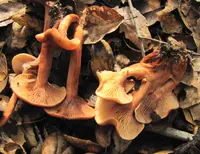
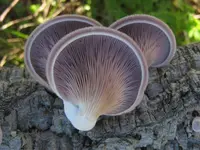
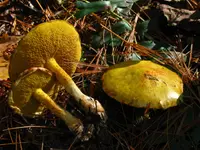
Hymenotorrendiella eucalypti is not a leafy plant but a tiny wood-inhabiting fungus associated with eucalyptus material. It forms very small, dark fruiting bodies that are usually noticed only on close inspection. In nature, it occurs mainly on fallen eucalyptus leaves and twigs, especially in regions where eucalyptus trees grow.

This species functions as a decomposer, breaking down dead plant matter rather than growing as a decorative houseplant. It is not suited to typical pot culture, so how to care for Hymenotorrendiella eucalypti is mainly of interest to specialists studying fungal life cycles. It generally favors moist, organic-rich eucalyptus debris and stable, cool to mild conditions.

Main Plant Requirements

Care Difficulty

Moderate Care

Light Preference

Partial Shade

Water Requirements

Moderate Water

Temperature Preference

Warm Climate

Hardiness Zone

Unknown

Soil Texture

Loamy

Soil pH

Slightly acidic (6.5–7.0)

Soil Drainage

Well-drained

Fertilization

Minimal (feed rarely)

Get Personalized Care Plan

Scan your plant to receive care tips personalized for your specific plant

Available on iOS and Android

How to Care for the Hymenotorrendiella eucalypti

This fungus develops best outdoors where eucalypt foliage receives consistent, moderate light exposure.

  • Provide 3–5 hours of gentle morning sun with bright, open shade or filtered light the rest of the day to prevent leaf scorch on the eucalyptus host.
  • Allow partial shade, especially in hot climates; strong afternoon sun above 85°F (29°C) on exposed foliage can dry tissues and limit Hymenotorrendiella eucalypti development.
  • In summer, protect trees from sudden canopy thinning that increases light intensity; in winter, unobstructed low-angle sun is usually acceptable due to weaker radiation.

Moisture conditions should favor a healthy eucalyptus host without prolonged leaf wetness.

  • Aim for evenly moist but well-drained soil, letting the top 3–5 cm dry between waterings so roots stay aerated and foliage is not stressed.
  • Reduce irrigation in cool or rainy seasons to avoid standing water and long periods of leaf wetness, which can shift microbial balance and cause other fungal issues.
  • Signs of overwatering include yellowing leaves and soft roots, while crisp leaf edges or premature leaf drop indicate drought stress that can reduce Hymenotorrendiella eucalypti presence.

Temperature affects both the eucalyptus host and the fungal activity on its foliage.

  • Optimal growth for the host and associated fungi is around 65–80°F (18–27°C), where leaf surfaces stay active without extreme stress.
  • The tree generally tolerates brief drops near 30–32°F (-1–0°C), but repeated frosts or colder conditions damage foliage and limit fungal survival on leaves.
  • Sustained heat above 95°F (35°C) with dry air can scorch foliage; provide irrigation and avoid additional reflective heat to keep canopy temperatures more stable.

This fungus develops best in moderately moist, sheltered conditions rather than very dry or saturated air.

  • Aim for ambient humidity around 50–70% in cultivation spaces such as culture rooms or enclosed shade structures.
  • Dry air can slow sporulation and mycelial growth; prolonged low humidity may cause shriveling or failure of fruiting bodies to form.
  • If air is dry, increase humidity with trays of water near culture surfaces, fine misting away from direct airflow, or a controlled humidifier.

For field or experimental cultivation, focus on recreating the loose, aerated, decomposing eucalyptus substrate this species naturally colonizes.

  • Use a loose mix mimicking forest litter: shredded eucalyptus leaves or bark chips blended with leaf mold or compost to create a fibrous, organic-rich layer.
  • Ensure rapid drainage by keeping the substrate shallow over a free-draining base such as sandy topsoil or coarse grit, preventing prolonged waterlogging around the colonized layer.
  • Maintain a slightly acidic reaction, roughly pH 5.5–6.5, by using unlimed composts and avoiding alkaline amendments like lime or large amounts of wood ash.
  • Improve aeration by avoiding compaction; lightly layer material rather than pressing it down, and keep organic pieces relatively coarse so air can move between fragments.

This species is only moderately suitable for container growing, mainly for research or display of colonized eucalyptus debris rather than long-term culture.

  • Choose a wide, shallow container to spread eucalyptus litter in a thin layer, which helps maintain surface moisture while avoiding stagnant, saturated depth.
  • Use a rigid, stable pot material such as thick plastic trays or boxes so the decomposing substrate does not slump and restrict air spaces.
  • Drill multiple side and base holes and elevate the container slightly so gravity and airflow can remove excess leachate from decomposing litter quickly.

This fungus lives on eucalyptus material and does not need fertilization in typical cultivation or observational settings.

Pruning is not applicable, as Hymenotorrendiella eucalypti is a microfungus, not a plant grown for shape or flowering.

This species is not kept as a potted ornamental; handling focuses on moving infected eucalyptus material only when necessary for study.

  • Transplant or move host material during cool, dry weather to limit additional fungal spread.
  • Label and bag samples if collecting for laboratory work, keeping material slightly dry but not sealed airtight.
  • Avoid disturbing natural stands of eucalyptus unless under research or management permits.
  • Clean tools and footwear after handling infected material to reduce accidental spread between sites.

Propagation in the horticultural sense is not relevant; this fungus spreads naturally by spores on eucalyptus foliage and debris.

No winter care is required, as this organism is a leaf-associated fungus rather than a cultivated garden plant.

Care Tips

Host plant hygiene

Regularly remove fallen eucalyptus leaves and bark from around the planting area to reduce the amount of host material where the fungus can recycle and intensify in the next wet period.

Seasonal sanitation pruning

At the end of the wet season, prune out and destroy twigs or small branches showing persistent spotting or dieback, using clean, disinfected tools to lower disease pressure for the following year.

Moisture management zone

Maintain a dry buffer zone under the canopy by using coarse mulch kept 5–10 cm away from trunks and major stems, which limits splashback of spores from soil and debris onto susceptible eucalyptus tissue.

Targeted monitoring schedule

Inspect foliage after extended rainy or misty periods, focusing on the lower canopy and dense interior growth, so any change in spotting pattern or spread is documented early and can guide more precise Hymenotorrendiella eucalypti care instructions.

Disposal of infected debris

Bag and landfill or deep-compost only in a hot, well-managed pile any obviously infected leaves and twigs, rather than leaving them on site or using them as surface mulch, to break the local infection cycle.

Common Pests and Diseases

Leaf spot lesions

This disease produces small dark specks or spots on eucalyptus leaves that may coalesce into irregular blotches, often around areas where the fungus fruits. Symptoms include premature leaf yellowing and early leaf drop in heavily affected foliage.

Solution

Prune and remove affected leaves and dropped litter from around the host tree to lower the spore load, and avoid overhead irrigation that keeps foliage wet for long periods. Improve spacing and airflow in planting sites and monitor nearby eucalyptus for similar symptoms, following local Hymenotorrendiella eucalypti care instructions where available to reduce recurrent infection pressure.

Stem and twig cankers

This disease causes small sunken or discolored lesions on young eucalyptus stems and twigs, sometimes girdling shoots and leading to dieback beyond the infected point. Symptoms include cracking bark, slight swelling at lesion margins, and death of thin branches.

Solution

Cut out and destroy affected twigs and small branches well below visible cankers using sterile tools, and avoid wounding the bark during pruning or mechanical operations. Maintain overall tree vigor with appropriate watering and balanced fertilization so that new growth can replace damaged shoots, and reduce prolonged leaf wetness to limit further fungal spread.

Leaf blight and necrosis

This disease leads to localized dead patches on eucalyptus leaves, often starting as chlorotic areas that turn brown and brittle, sometimes associated with fruiting bodies of the fungus. Symptoms include distorted young leaves and partial scorching of the canopy in severe cases.

Solution

Collect and dispose of blighted leaves from the canopy where safely possible and from the ground to reduce reinfection sources. Encourage quick drying of foliage by improving sun exposure and airflow, and avoid dense mixed plantings that trap humidity around eucalyptus leaves.

Secondary wood decay fungi

These fungi can colonize eucalyptus tissues already stressed or damaged by Hymenotorrendiella infection, leading to internal wood decay over time. Symptoms include soft or crumbly wood in older branches, occasional fruiting bodies on trunks, and an increased risk of limb failure.

Solution

Inspect trees regularly for structural defects and remove badly decayed branches using proper arboricultural techniques. Minimize wounding, keep trees vigorous through site-appropriate watering and soil management, and consult a certified arborist if major structural decay is suspected near buildings or paths.

Interesting Facts

Specialist eucalyptus associate

This ascomycete fungus is known from leaf litter of Eucalyptus species, where it develops tiny black fruiting bodies on fallen leaves rather than on living foliage.

Microscopic disc spores

It produces minute disc-like apothecia (open fruiting bodies) that release ascospores, which are only visible under magnification and are used to distinguish it from closely related microfungi.

Taxonomic reclassification history

Originally described under a different genus, it was later reassigned to Hymenotorrendiella based on microscopic morphology and phylogenetic evidence, reflecting advances in DNA-based fungal systematics.

FAQs about Hymenotorrendiella eucalypti

This fungal species is host-specific to eucalyptus leaves and is not a garden shrub or groundcover. It persists where suitable leaf material is present but is not considered aggressively spreading in the sense used for invasive garden plants.

Grow Healthy Plants with Botan Care

Keep your plants happy and healthy with plant identification, disease detection, and easy care guidance.

Botan plant care app — identify plants on mobile

Explore More Plants