Kalm's St. Johnswort Care (Hypericum kalmianum)

Kalm's St. Johnswort

About Kalm's St. Johnswort

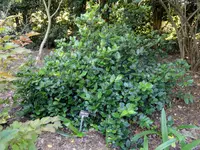
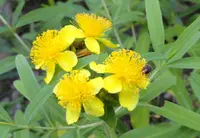
Kalm's St. Johnswort (Hypericum kalmianum) is a compact, deciduous shrub valued for its bright yellow midsummer flowers and fine, narrow blue-green leaves. It usually forms a dense, rounded mound that fits well into small gardens and mixed borders.

This species is native to the Great Lakes region of North America, where it grows in rocky, sandy, and often coastal habitats. Its natural tolerance of wind, cold, and less-than-ideal soils makes it a reliable, low-maintenance landscape plant.

Gardeners who care for Kalm's St. Johnswort appreciate its adaptability to full sun, moderate moisture, and well-drained soil, as well as its strong performance with minimal pruning or attention.

Main Plant Requirements

Care Difficulty

Easy Care

Light Preference

Full Sun

Water Requirements

Moderate Water

Temperature Preference

Cold Hardy

Hardiness Zone

4–7

Soil Texture

Sandy, Loamy, Clay

Soil pH

Acidic (5.5–6.5), Slightly acidic (6.5–7.0)

Soil Drainage

Moist but well-drained

Fertilization

Minimal (feed rarely)

Get Personalized Care Plan

Scan your plant to receive care tips personalized for your specific plant

Available on iOS and Android

How to Care for the Kalm's St. Johnswort

This shrub prefers bright conditions but adapts to a range of outdoor light exposures.

  • Provide 6–8 hours of direct sun daily for best flowering; in hotter regions, aim for morning sun with light afternoon shade.
  • Kalm's St. Johnswort tolerates partial shade (around 3–4 hours sun), but flowering and density decrease as shade increases.
  • In very intense summer sun, especially on reflective sites, monitor for leaf scorch and give light shade; in winter, full sun is ideal.

This species prefers evenly moist, well-drained soil and becomes more drought-tolerant once established.

  • At planting, water when the top 3–5 cm of soil feels dry; apply a deep soak rather than frequent light sprinkling to encourage deep roots.
  • In the first growing season, check soil 2–3 times per week in warm weather; reduce watering in cool or rainy periods to avoid soggy conditions.
  • Signs of overwatering include yellowing leaves and soft stems, while dull, curling leaves and very dry soil indicate Hypericum kalmianum needs water.

This hardy shrub is adapted to cold winters and warm summers in temperate climates.

  • Active growth and flowering occur best around 65–80°F (18–27°C), typical of late spring through early fall in many regions.
  • Established plants tolerate winter lows close to -20°F (-29°C) in the ground, as long as roots have good drainage and mulched soil.
  • Heat tolerance is good up to about 90–95°F (32–35°C) if soil does not dry out completely; prolonged extreme cold without snow cover may damage young stems.

This shrub handles a wide humidity range and rarely needs special humidity care outdoors.

  • Target ambient humidity around 30–60% for reliable performance.
  • Kalm's St. Johnswort tolerates dry air well; leaf scorch mainly reflects drought or heat, not low humidity.
  • In unusually hot, arid conditions, reduce stress by mulching the root zone and watering deeply rather than misting foliage.

Hypericum kalmianum prefers moderately fertile, well-drained mineral soils and is adaptable if drainage is reliable.

  • Use a sandy or sandy-loam structure with 20–30% compost mixed into native soil to provide nutrients without waterlogging.
  • Ensure fast drainage by raising planting areas or adding coarse sand or fine gravel where soil is heavy.
  • Aim for slightly acidic to neutral pH, roughly 6.0–7.5, avoiding strongly alkaline or saline sites that reduce nutrient uptake.
  • Avoid compacted clay and anaerobic, waterlogged spots; improve aeration by loosening soil 20–30 cm deep before planting.

This species is suitable for container growing, especially on patios or in small gardens.

  • Choose a deep, heavy container that resists tipping as the woody stems become top-heavy in wind.
  • Select a potting mix labeled for outdoor shrubs, then lighten it with 20–30% coarse sand or grit to keep roots from staying wet.
  • Raise the container on pot feet or bricks so drainage holes stay clear and excess water escapes quickly after rain.

This native shrub needs minimal feeding but responds to light nutrition on poor soils when grown as Kalm's St. Johnswort in gardens.

  • Use a balanced slow-release fertilizer (e.g., 10-10-10) or thin layer of compost in early spring.
  • Apply once per year for in-ground plants; container plants may benefit from a second, light mid-summer feeding.
  • Use at 1/2 label strength for container plants to avoid salt buildup and root burn.
  • Do not fertilize in late fall or winter, when growth is dormant and nutrient demand is low.

Pruning Hypericum kalmianum is mainly used to maintain a compact shape and sustain flowering.

  • Prune in late winter or very early spring before new growth starts.
  • Remove dead, damaged, or crossing stems first using clean, sharp hand pruners.
  • Thin crowded interior shoots to improve light and air movement, which supports better flowering.
  • Lightly shorten older stems by up to 1/3 to encourage dense new growth and tidy form.

This shrub is usually grown in the ground, so focus on thoughtful transplanting and occasional container upsizing.

  • Transplant in early spring or early fall, when temperatures are mild and soil moisture is stable.
  • Move plants when growth slows, roots circle the container, or the rootball dries out very quickly.
  • Dig widely around the root zone, keep as much soil on the roots as possible, and replant at the same depth.
  • Water thoroughly after transplanting, then keep soil evenly moist for several weeks to limit transplant shock.

Hypericum kalmianum is most often propagated by semi-ripe cuttings, with seeds as a slower option.

  • Take 7–10 cm semi-ripe stem cuttings in mid to late summer from healthy, non-flowering shoots.
  • Remove lower leaves, dip the cut end in rooting hormone, and insert into a moist, free-draining mix.
  • Maintain high humidity and bright, indirect light at 65–75°F until roots form, usually in several weeks.
  • Seeds can be surface-sown in fall or late winter and kept cool and evenly moist for gradual germination.

This species is cold hardy in much of North America and usually needs only minimal winter care outdoors.

  • In USDA zones near its hardiness limit, add a 5–8 cm mulch layer around the root zone after soil cools.
  • Avoid piling mulch against stems to reduce risk of rot and rodent damage over winter.
  • Container plants in colder regions should be moved into a sheltered, unheated but frost-free spot.

Care Tips

Salt tolerance management

In regions with winter road salt, plant slightly upslope and add a 5–8 cm mulch strip between the shrub and pavement to reduce salt splash and root exposure, then flush soil with a deep watering in early spring to leach accumulated salts.

Renewal-based pruning

Every 3–4 years, remove 20–30% of the oldest stems at ground level rather than shearing the top, which maintains a dense, flowering framework and prevents the shrub from becoming woody and sparse.

Flowering hedge use

Space plants 45–75 cm apart in a staggered double row to form a low, erosion-controlling hedge that suppresses weeds and stabilizes banks along driveways or slopes when growing Kalm's St. Johnswort.

Pollinator support planning

Avoid using systemic insecticides on or near the shrub during bud and bloom, and instead rely on hand removal of pests or targeted contact sprays so flowers remain safe and attractive for bees and other beneficial insects.

Winter structure protection

In windy or exposed sites, place a low, breathable barrier such as shrub fencing or a perforated wind screen on the windward side to reduce branch dieback and maintain a compact shape over winter without wrapping the plant itself.

Common Pests and Diseases

Leaf spot

This disease causes small brown to black spots on leaves that may coalesce, leading to premature leaf drop, especially in humid or wet conditions.

Solution

Remove and dispose of heavily spotted leaves, avoid overhead watering, and maintain good spacing to improve airflow; for recurring issues, apply a copper-based or chlorothalonil fungicide labeled for ornamental shrubs according to label directions.

Rust

This disease produces orange to rusty pustules on the undersides of leaves, sometimes with yellowing or early leaf drop.

Solution

Prune out and discard affected leaves and shoots, water at the base to keep foliage dry, and if needed use a sulfur or myclobutanil fungicide labeled for rust on ornamentals, applied at the first sign of symptoms.

Scale insects

These insects appear as small, dome-shaped or shell-like bumps on stems and sometimes leaves, and they draw sap from the plant, causing reduced vigor and sparse flowering.

Solution

Prune and discard heavily infested stems, gently scrub remaining scales off with a soft brush and soapy water, and use horticultural oil during the growing season or dormant oil in late winter to suffocate remaining insects, ensuring full coverage of stems and twig crotches.

Spider mites

This pest causes fine stippling, a dull or bronzed appearance of foliage, and sometimes very fine webbing, especially during hot, dry weather.

Solution

Spray foliage thoroughly with a strong stream of water to dislodge mites, increase humidity around the shrub if possible, and, when populations remain high, use a horticultural oil or insecticidal soap directed to the undersides of leaves on cool, overcast days to avoid leaf burn.

Botrytis blight

This disease leads to blighted flower buds and petals that turn brown and mushy, often covered by gray, fuzzy mold in prolonged cool, damp weather.

Solution

Promptly remove and discard all blighted flowers and fallen petals, thin interior branches to improve air circulation, avoid wetting flowers during irrigation, and in severe or repeated cases use a fungicide labeled for Botrytis on ornamentals, applied before forecasted periods of extended moisture as part of broader Hypericum kalmianum care.

Interesting Facts

Great Lakes shoreline specialist

This species is naturally found along shorelines of the Great Lakes, where it tolerates sandy, gravelly, and sometimes calcareous soils that many shrubs cannot handle.

High salt tolerance

It shows notable tolerance to road salt and lake spray, which contributes to its success in coastal and roadside habitats in its native range.

Persistent woody capsules

After the yellow flowers fade, it forms hard, woody seed capsules that often persist into winter, providing structure and subtle interest long after the blooming season.

Botan icon

Did you know?

This shrub is considered regionally rare or of conservation concern in parts of its native range, so responsible sourcing from nurseries rather than wild collection is important when trying to grow Hypericum kalmianum.

FAQs about Kalm's St. Johnswort

Lack of blooms usually comes from too much shade, heavy or soggy soil, or pruning at the wrong time, which removes flower buds. Older, congested plants may also flower poorly and benefit from renewal pruning every few years.

Grow Healthy Plants with Botan Care

Keep your plants happy and healthy with plant identification, disease detection, and easy care guidance.

Botan plant care app — identify plants on mobile

Explore More Plants