

Substrate depth control
Maintain a consistently shallow substrate layer of 2–4 cm over the colonized material to prevent CO₂ buildup around the pins and to promote uniform, slender fruiting bodies typical for Hypholoma elongatum.

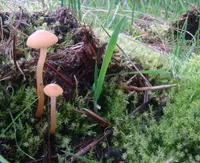
Sphagnum brownie is a cultivated form of sphagnum moss, valued as a living substrate rather than a traditional foliage houseplant. It forms dense, low cushions of fine, brownish to olive-green strands that hold water very effectively.
In nature, related sphagnum species occur in cool, wet bogs and marshes, where they build thick, spongy carpets over saturated, acidic ground. Hypholoma elongatum is a fungal associate sometimes found in similar wet habitats, but the name is often linked commercially to this moss product.
Sphagnum brownie is appreciated for its strong water retention, aeration, and root-friendly structure, which makes it useful for orchids, carnivorous plants, and propagation. Its main challenges are keeping it evenly moist, cool, and clean, so any guide on how to care for sphagnum brownie focuses on moisture balance and avoiding contamination.

Care Difficulty
Moderate Care

Light Preference
Partial Shade

Water Requirements
Keep Soil Moist

Temperature Preference
Cool Climate

Hardiness Zone
Unknown

Soil Texture
Peaty, Organic-rich, Loamy

Soil pH
Strongly acidic (4.5–5.5), Acidic (5.5–6.5)

Soil Drainage
Moist but well-drained

Fertilization
Minimal (feed rarely)
Scan your plant to receive care tips personalized for your specific plant
Available on iOS and Android
Hypholoma elongatum prefers cool, shaded forest conditions rather than direct open sun.
Hypholoma elongatum thrives on consistently moist, but not waterlogged, substrate.
This species prefers cool to mild conditions typical of shaded woodland habitats.
This fungus prefers constantly moist, cool air with fairly high humidity to fruit well.
For cultivation, this species performs best in moist, well-aerated, organic-based substrate rather than dense garden soil.
This species can be grown in containers if moisture, airflow, and structural support are carefully controlled.
Hypholoma elongatum typically needs minimal fertilization when grown on nutrient-rich, decaying wood or organic substrates, so feeding is light.
Pruning needs for Hypholoma elongatum are minimal and focus on hygiene rather than shaping.
This fungus is usually established on fixed logs or woody substrates, so think in terms of renewing or relocating substrate rather than classic repotting.
Propagation of Hypholoma elongatum focuses on extending the mycelium onto fresh woody material rather than classic plant methods.
Outdoor colonies of Hypholoma elongatum on native wood are generally cold tolerant and need little active winter care.

Plant Health Check
Not sure what's wrong with your plant? Check your plant's health inside the app.
This small, thin-stemmed mushroom is strongly associated with wet, acidic habitats such as Sphagnum bogs and waterlogged conifer margins, rather than typical woodland soils.
It grows saprotrophically, meaning it feeds on and decomposes dead wood and woody debris, helping recycle nutrients in nutrient-poor peatland and conifer ecosystems.
The cap is typically narrow, elongated, and brownish to tawny with a more or less smooth surface, which helps distinguish it from some brighter yellow or sulfur-colored Hypholoma relatives that grow on richer substrates.
This species is naturally an outdoor, bog-dwelling moss and performs best outside in consistently moist, cool, oxygenated conditions. Indoors it is harder to keep stable humidity and airflow, so long‑term culture is more challenging.
Keep your plants happy and healthy with plant identification, disease detection, and easy care guidance.

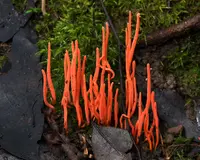
Clavulinopsis corallinorosacea
Clavulinopsis corallinorosacea
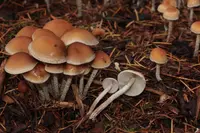
Hypholoma dispersum
Hypholoma dispersum
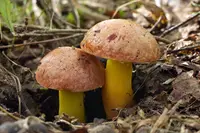
Gilded Bolete
Aureoboletus gentilis
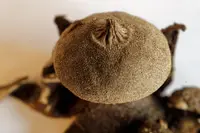
Field Earthstar
Geastrum campestre
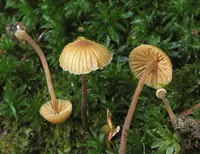
hairy leg bell
Galerina vittiformis
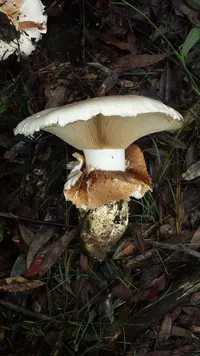
skirt webcap
Austrocortinarius australiensis
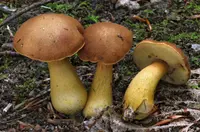
Roxane's bolete
Aureoboletus roxanae
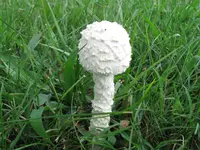
Thiers' lepidella
Saproamanita thiersii