Use clean substrate
Prepare cultivation blocks or trays with properly pasteurized straw, hardwood sawdust, or a sawdust–grain mix to minimize contamination from competing fungi and bacteria.

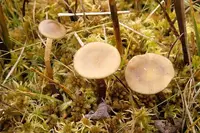
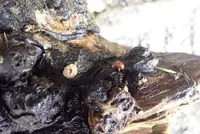
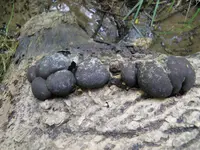
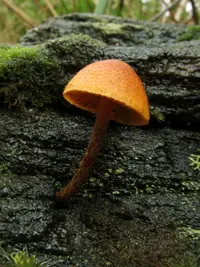
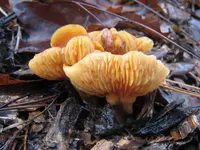
Olive brownie, Hypholoma myosotis, is a small saprophytic mushroom that grows on decaying wood, often in clusters. It is typically found in temperate forests, especially on rotting stumps and fallen logs.
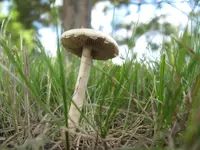
Caps are usually brown to olive-brown with paler margins, and the slender stems form tight groups that can cover wood surfaces. This species plays an ecological role in breaking down dead wood and recycling nutrients.
It is not a plant for traditional garden beds and is usually encountered by mushroom enthusiasts rather than home growers. Those who wish to care for olive brownie need consistently moist, woody substrates and cool, shaded conditions that mimic natural forest habitats.

Care Difficulty
Moderate Care

Light Preference
Partial Shade

Water Requirements
Keep Soil Moist

Temperature Preference
Cool Climate

Hardiness Zone
Unknown

Soil Texture
Loamy, Organic-rich

Soil pH
Acidic (5.5–6.5)

Soil Drainage
Moist but well-drained

Fertilization
Minimal (feed rarely)
Scan your plant to receive care tips personalized for your specific plant
Available on iOS and Android
Hypholoma myosotis, also known as olive brownie, prefers low to moderate light typical of shaded woodland edges.
Hypholoma myosotis needs consistently moist, never waterlogged, substrate to fruit reliably.
This fungus prefers cool to mild conditions and declines in very hot or freezing weather.
This wood-rotting fungus prefers consistently moist air but adapts to a broad humidity range outdoors.
This saprophytic mushroom needs a loose, organic-rich substrate rather than typical garden soil.
This species can be grown in containers if the substrate volume and drainage are managed carefully.
Hypholoma myosotis, often called olive brownie, is usually grown in nutrient-rich woodland substrates and needs minimal additional fertilizer in home culture.
Pruning Hypholoma myosotis focuses on hygiene rather than shaping because the fungal fruiting bodies are short-lived.
Cultivated Hypholoma myosotis is usually managed by renewing its substrate rather than classic repotting.
Propagation of Hypholoma myosotis is typically done by mycelium transfer rather than by conventional plant methods.
Outdoor Hypholoma myosotis grown in temperate climates is generally cold tolerant and needs little specific winter care.

Plant Health Check
Not sure what's wrong with your plant? Check your plant's health inside the app.
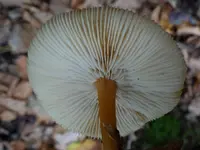
The gills of this small wood-inhabiting mushroom often show a subtle bluish to grayish tint as they mature, which helps distinguish it from closely related brown-capped Hypholoma species.
It typically fruits on very decayed hardwood sticks, twigs, and buried wood rather than on large logs, making it easier to overlook in forest litter and woodland edges.
Spores are smooth, ellipsoid, and form a dark brown to purple-brown spore print, and microscopic examination of its cystidia (specialized sterile cells on the gills) is often required to reliably separate it from similar small Hypholoma species.
This fungus is not considered a choice edible and may be mildly toxic or cause gastrointestinal upset. Identification within Hypholoma is difficult, and similar species can be poisonous, so it is safest not to eat it.
Keep your plants happy and healthy with plant identification, disease detection, and easy care guidance.