tube lichen Care (Hypogymnia physodes)

Also known as: Hooded Tube Lichen, Hooded Bone
tube lichen

About tube lichen

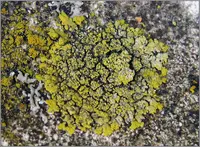
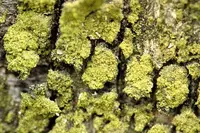
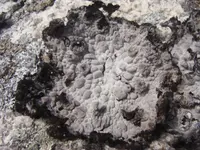
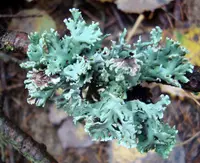
Tube lichen (Hypogymnia physodes) is a foliose lichen, not a true plant, formed by a partnership between a fungus and photosynthetic algae. It typically forms gray-green, inflated lobes with a hollow, tube-like structure and darker undersides.

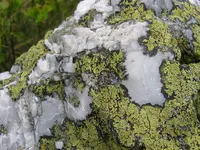
This species commonly grows on tree bark, branches, and acidic rocks in cool, clean, and humid environments, especially boreal and temperate forests of the Northern Hemisphere. It is very sensitive to air pollution, so it thrives only where air quality is good.

In cultivation, it is considered delicate, as it does not adapt well to indoor, dry, or polluted settings. Anyone wanting to learn how to care for tube lichen should focus on clean air, gentle moisture, and stable, cool conditions.

Main Plant Requirements

Care Difficulty

Hard Care

Light Preference

Partial Shade

Water Requirements

Low Water

Temperature Preference

Cold Hardy

Hardiness Zone

2–8

Soil Texture

Rocky, Organic-rich, Peaty

Soil pH

Strongly acidic (4.5–5.5), Acidic (5.5–6.5)

Soil Drainage

Well-drained

Fertilization

Minimal (feed rarely)

Get Personalized Care Plan

Scan your plant to receive care tips personalized for your specific plant

Available on iOS and Android

How to Care for the tube lichen

This lichen prefers cool, soft light similar to that found on shaded tree bark or rocks.

  • Provide bright, dappled or filtered light with 1–3 hours of gentle morning sun; avoid strong midday or afternoon sun, which can scorch and bleach tube lichen.
  • Grow it in partial to full shade; north- or east-facing exposures and forest-like light under tree canopies are typically suitable.
  • In summer, protect from direct sun and hot, reflective surfaces; in winter, ensure it still receives diffuse daylight to maintain slow, steady growth.

Watering should mimic natural mist, dew, and occasional rain rather than constant wetness.

  • Allow the surface and substrate to dry lightly between waterings; the lichen should feel firm, not mushy, and rehydrate quickly after wetting.
  • Use brief soaking, misting, or rainfall-like watering, then let excess drain away; Hypogymnia physodes declines in stagnant, waterlogged conditions.
  • Reduce watering during very cold or prolonged dry spells, watching for brittle, overly crisp lobes as a sign it needs rehydration, and soft, discolored tissue as a sign of excess moisture.

This species is adapted to cool, temperate climates with marked seasonal change.

  • Aim for an active growth range around 40–70°F (4–21°C), where metabolic processes and symbiotic partners remain stable.
  • It tolerates winter cold well, often down to about 5–14°F (-15 to -10°C), but sudden freeze–thaw cycles on exposed surfaces can cause tissue damage.
  • Prolonged heat above 80–86°F (27–30°C), especially with low humidity and full sun, can desiccate the thallus; provide shade and airflow during hot periods.

This lichen relies on ambient humidity and surface moisture rather than soil water, so air conditions matter.

  • Best growth occurs in consistently moist air around 60–90% humidity, with frequent natural wetting from rain, fog, or mist.
  • Prolonged dry air causes thalli to become crisp, pale, and brittle; growth pauses but usually resumes after rewetting.
  • Outdoors, place tube lichen where dew, fog, or regular light misting can reach it, such as on rough bark or shaded rock.

Hypogymnia physodes normally anchors to bark or rock, so any artificial substrate should copy those loose, fast‑draining, low‑nutrient conditions.

  • Use a very open, inert mix such as 1 part coarse bark, 1 part pumice or perlite, and 1 part sharp sand, with no added fertilizer.
  • Keep drainage extremely fast so water runs through in seconds and the surface dries quickly between natural wetting events.
  • Aim for slightly acidic to neutral conditions (around pH 5.0–7.0), avoiding limed or strongly alkaline materials that can suppress lichen growth.
  • Avoid dense, peat‑heavy or clay‑like mixes that hold water, accumulate nutrients, or stay smeared on the surface, since these suffocate the lichen.

This species can be maintained in containers only as an experimental display on inert substrates rather than as a rooted plant.

  • Choose a wide, shallow, heavy container so mounted pieces stay stable and are not blown away in wind or when watered from above.
  • Provide a coarse support surface such as cork, rough bark, or lava rock placed loosely in the pot, allowing air gaps all around the thalli.
  • Position the container where it is exposed to rainfall, dew, or gentle outdoor misting, while still drying fully between wetting events to prevent rot of the substrate.

Hypogymnia physodes, commonly called tube lichen, gains nutrients mainly from rain, dust, and its substrate, so added fertilizer is unnecessary and can be harmful.

Hypogymnia physodes needs minimal pruning, mainly for appearance and monitoring health rather than shaping growth.

  • Best done in late winter or early spring when thalli are dry and easier to inspect.
  • Trim off dead, discolored, or heavily damaged lobes using clean, sharp scissors.
  • Remove only small portions at a time to avoid stressing the lichen community.
  • Place removed pieces outdoors on suitable bark or rock rather than discarding in trash if local regulations allow.

This lichen is usually grown attached to bark or rock, so transplanting is rare and slow to show results.

  • Transplant only if the substrate is deteriorating, contaminated, or no longer provides stable attachment.
  • Best timing is cool, moist seasons such as early spring or fall to reduce desiccation stress.
  • Typical intervals are many years apart, since Hypogymnia physodes grows slowly and does not fill a container like vascular plants.
  • Gently move entire substrate pieces rather than peeling thalli off, and keep humidity moderate while avoiding waterlogging.

Hypogymnia physodes propagation is slow and mainly used in research or conservation, not typical home culture.

  • Natural spread occurs when small thallus fragments or soredia detach and settle on suitable bark or rock.
  • For experimental propagation, place tiny fragments on rough, stable, low-nutrient surfaces outdoors.
  • Cool, humid, shaded conditions with clean air are essential for any chance of establishment.
  • Expect very slow growth over years, and avoid disturbing the substrate once fragments are positioned.

This lichen is very cold hardy and usually needs no special winter care in temperate climates.

Care Tips

Substrate selection

Mount the lichen on rough, untreated bark or cork rather than smooth wood or plastic, as a slightly textured, moisture-retentive but inert surface supports better attachment and more stable hydration.

Airflow management

Place mounted pieces where there is gentle, constant air movement, such as near but not directly in front of an open vent or fan, to keep the thallus dry between misting and reduce mold growth.

Rainwater routine

Use collected rainwater or reverse-osmosis water in a shallow tray soak for 5–10 minutes every few days, then drain fully, since low-mineral water prevents salt buildup that can damage the lichen cortex.

Seasonal light shift

Move displays to slightly shadier, cooler locations in summer and brighter, cooler spots in winter to mimic natural seasonal changes and extend the longevity of the colony when growing tube lichen.

Minimal handling

Handle the thalli as little as possible and only by the base or substrate, because frequent touching compresses the hollow lobes and breaks the fine attachment points, slowing recovery and growth.

Common Pests and Diseases

Air pollution damage

Symptoms include bleaching, browning, or loss of the lichen thallus, often starting on exposed surfaces facing roads or industrial areas. This condition reflects sensitivity to sulfur dioxide, ozone, and other airborne pollutants rather than a contagious disease.

Solution

Reduce exposure by relocating collected material away from busy roads, chimneys, or other emission sources, and avoid placing it in enclosed spaces with smoke or chemical fumes. For long-term Hypogymnia physodes care outdoors, only collect or encourage growth in areas with consistently clean air and avoid using it as decor in polluted microclimates such as garages or workshops.

Nitrogen enrichment stress

Symptoms include unusually fast but weak growth, loss of the typical inflated lobes, and replacement by more nitrophilous lichens, algae, or mosses. This stress usually appears downwind of agriculture, pet areas, or heavy fertilizer use, where airborne or splash nitrogen accumulates on bark or substrates.

Solution

Limit fertilizer use and animal waste near trees or substrates that host Hypogymnia physodes, and avoid situating it close to ammonia sources such as compost heaps or barns. If possible, move affected branches or decorative pieces to a cleaner site and gently rinse with clean, lukewarm water to remove surface deposits without scrubbing.

Lichenicolous fungi

This disease is caused by specialized fungi that live on lichen tissue, producing dark spots, small pustules, or localized dieback in patches of the thallus. This problem is most common on older, slow-growing colonies in persistently damp or shaded sites.

Solution

Remove and discard heavily colonized sections using clean scissors so only firm, healthy tissue remains, and avoid returning infected material to the same crowded spot. Improve air circulation and moderate shade so surfaces dry between rains, and avoid overhead wetting if using Hypogymnia physodes on decorative branches indoors or in sheltered displays.

Mite grazing

This pest creates tiny pits, scuffed areas, or powdery-looking patches where the surface tissue has been scraped, sometimes accompanied by fine webbing. Damage is usually cosmetic but can slow growth if grazing is intense on young lobes.

Solution

For small decorative pieces, gently rinse the lichen under a slow stream of cool water to physically remove mites and their debris, then allow it to dry in a well-ventilated place. In outdoor settings, encourage natural predators such as small spiders and avoid broad-spectrum insecticides that can disrupt the microfauna balance on bark and branches.

Snail and slug feeding

These animals graze soft lobes, leaving irregular bite marks, missing patches, or shredded margins, particularly in moist, shaded habitats. Damage is often most visible after rainy periods or in dense ground-level vegetation beneath host trees.

Solution

Hand-pick snails and slugs from host branches during damp evenings and reduce nearby hiding places such as dense leaf litter or debris. Where necessary, place physical barriers or copper tape on decorative displays and avoid direct application of metaldehyde pellets on or above lichen-bearing bark to prevent contamination of the thalli.

Interesting Facts

Inflated hollow lobes

This lichen forms distinctive hollow, tube-like lobes with swollen tips that often appear slightly wrinkled or blistered, a key feature used by lichenologists to identify it.

Pollution-tolerant bioindicator

It is moderately tolerant of air pollution and commonly used in biomonitoring studies to map nitrogen and sulfur deposition patterns across Europe and North America.

Chemically complex cortex

The thallus contains specific secondary compounds such as physodic and atranorin-type acids, which help protect the lichen against UV radiation, microbes, and grazing invertebrates.

Botan icon

Did you know?

This species is one of the most widespread foliose lichens in boreal and temperate regions of the Northern Hemisphere, occurring from lowland coastal forests to subalpine zones and even on isolated trees in urban environments, which makes it a model organism in long-term ecological and climate studies.

FAQs about tube lichen

This species grows very slowly, often adding only 1–5 mm of new thallus length per year under natural conditions. Growth depends strongly on clean air, stable moisture, and low physical disturbance. Patience is essential when growing tube lichen.

Grow Healthy Plants with Botan Care

Keep your plants happy and healthy with plant identification, disease detection, and easy care guidance.

Botan plant care app — identify plants on mobile

Explore More Plants