Rhizome Containment
Plant in wide, shallow containers or use an in-ground root barrier 20–30 cm deep to keep the spreading rhizomes from invading adjacent beds and to make division easier later.

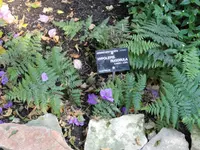
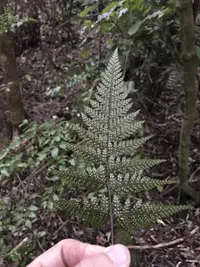
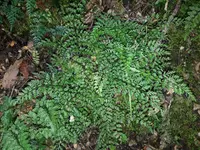
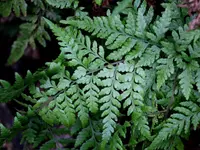
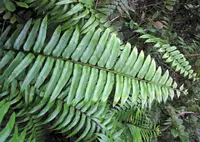
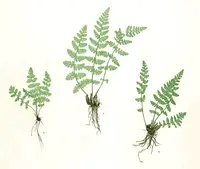
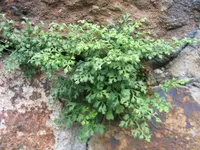
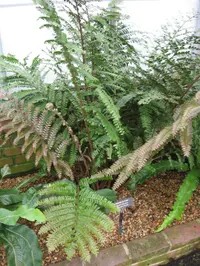
Ruddy ground fern (Hypolepis rugosula) is a fine-textured, spreading fern often found in open, disturbed habitats, forest margins, and scrublands. It forms loose colonies rather than tight clumps, with arching fronds that create a light, airy look.
This species occurs in many mild to cool regions of the Southern Hemisphere and some higher-altitude tropical areas, where conditions stay moist and frost is limited. It grows quickly and can be somewhat vigorous, which makes it easy to establish but sometimes harder to contain in ideal conditions.
To care for Ruddy ground fern, provide consistently moist, well-drained soil and shelter from harsh, direct sun, especially in warmer climates.

Care Difficulty
Moderate Care

Light Preference
Partial Shade

Water Requirements
Keep Soil Moist

Temperature Preference
Cool Climate

Hardiness Zone
7–10

Soil Texture
Loamy, Silty, Organic-rich

Soil pH
Acidic (5.5–6.5)

Soil Drainage
Moist but well-drained

Fertilization
Minimal (feed rarely)
Scan your plant to receive care tips personalized for your specific plant
Available on iOS and Android
This fern prefers cool, moist sites with soft light rather than strong, direct sun.
This species prefers evenly moist, never soggy soil that does not fully dry out.
This fern is adapted to mild, cool to warm climates without temperature extremes.
This fern prefers consistently moist air to support fine-textured fronds.
This species prefers loose, humus-rich, evenly moist soil that drains freely.
This fern is suitable for container growing when moisture and spread are managed carefully.
This fern has modest nutrient needs, so use light, consistent feeding during active growth only.
Pruning focuses on removing older fronds to keep Hypolepis rugosula tidy and healthy.
This fern tolerates crowding but benefits from occasional transplanting when rootbound or declining.
This species is usually propagated by division, since spore growing is slow and technical.
This fern is reasonably cold tolerant in mild climates but benefits from basic winter protection in colder areas.

Plant Health Check
Not sure what's wrong with your plant? Check your plant's health inside the app.
This fern has one of the widest natural ranges of any terrestrial fern, occurring in suitable habitats across Africa, South and Central America, Australasia, and many oceanic islands, including remote subantarctic islands. Its spores disperse effectively over long distances, allowing rapid colonization of disturbed, open ground.
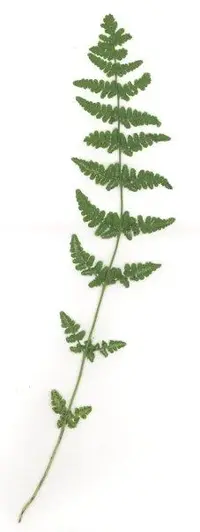
The species name rugosula refers to the finely wrinkled or rugose texture of the upper leaflet surface, which helps distinguish it from similar Hypolepis species. The fronds are finely divided, giving a soft, lacy appearance while still showing this characteristic surface texture on close inspection.
This fern often behaves as a pioneer species, quickly establishing in recently disturbed sites such as landslides, road cuttings, and burned areas. It forms loose colonies via creeping rhizomes, stabilizing soil and creating shade that can facilitate later plant succession.

On subantarctic islands such as Marion and Prince Edward, this fern is one of the few vascular plants able to withstand the cold, wet, and extremely windy climate, making it an important component of those harsh island ecosystems and a useful indicator of relatively mild microhabitats there.
Yellowing fronds usually result from excess moisture, poor drainage, or natural aging of older leaves. Check that the pot or bed drains well, reduce watering slightly, and trim oldest fronds so new growth gets more light and space.
Keep your plants happy and healthy with plant identification, disease detection, and easy care guidance.