Rock‑crevice planting
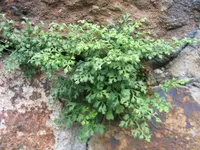
Tuck the root ball into a narrow rock crevice or between stacked stones with gritty mix around it to mimic its natural habitat and improve drainage and root anchoring.

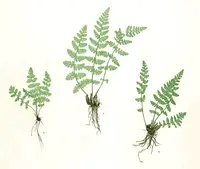
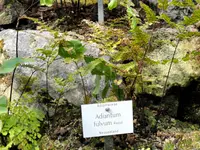
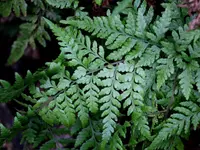
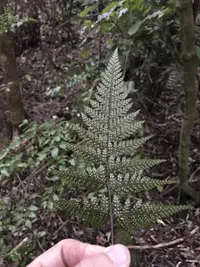
Rusty woodsia (Woodsia ilvensis) is a small, deciduous fern known for its finely divided fronds and distinctive rusty hairs on the underside of the leaves. It forms tight clumps, giving a compact, tufted look rather than a spreading, ground-covering habit.
This species naturally occurs on dry, rocky outcrops and cliffs in cooler regions of North America and Europe, often in crevices with very sharp drainage. It can be more challenging than common garden ferns because it dislikes heavy, wet soils and prolonged heat.
Gardeners who want to care for rusty woodsia should provide bright, indirect light, cool conditions, and gritty, well-drained soil that never stays waterlogged for long periods.

Care Difficulty
Moderate Care

Light Preference
Partial Sun

Water Requirements
Moderate Water

Temperature Preference
Cold Hardy

Hardiness Zone
3–7

Soil Texture
Sandy, Loamy, Rocky

Soil pH
Acidic (5.5–6.5), Slightly acidic (6.5–7.0)

Soil Drainage
Well-drained

Fertilization
Minimal (feed rarely)
Scan your plant to receive care tips personalized for your specific plant
Available on iOS and Android
This small fern prefers bright, cool conditions similar to open rocky slopes and ledges.
This fern prefers slightly moist but never saturated soil around its shallow roots.
This species is a hardy fern adapted to cool, exposed rocky habitats.
This fern prefers relatively low to moderate humidity and tolerates dry air better than many woodland species.
This fern needs sharply drained, mineral, rocky soil that never stays waterlogged.
This species can be grown in containers if they mimic a shallow, rocky crevice environment.
This species is adapted to nutrient-poor rocky habitats, so caring for rusty woodsia involves very light fertilization at most.
Woodsia ilvensis needs minimal pruning, mainly to maintain a clean, healthy clump.
This fern is usually grown in rock gardens or crevices and dislikes frequent disturbance.
Propagation of Woodsia ilvensis is possible but somewhat specialized compared with common garden ferns.
This fern is naturally cold hardy and usually needs little special winter care in the ground.

Plant Health Check
Not sure what's wrong with your plant? Check your plant's health inside the app.
This fern often grows in tiny crevices of sun‑exposed, siliceous rocks such as granite and quartzite, anchoring itself in very shallow, nutrient‑poor substrates where few other vascular plants can survive.
It is native to boreal and subalpine regions of North America and northern Europe and can tolerate strong temperature fluctuations, frequent freeze–thaw cycles, and periodic drying of its rocky microsites.
In parts of its range, this species is considered a conservation indicator for undisturbed cliff and rock outcrop communities and is legally protected in several US states and European countries due to its habitat specificity and scattered populations.

In some disjunct populations, including certain inland sites far from the coast, this species is a classic example of a glacial relict, persisting on cool, rocky microhabitats that mimic the harsher conditions present soon after the last ice age.
This fern grows slowly. In good conditions it may take several years to form a dense clump, typically reaching close to its mature size after 3–5 seasons, especially when started from young nursery plants or spores.
Keep your plants happy and healthy with plant identification, disease detection, and easy care guidance.