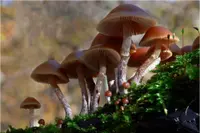
Hypoxylon macrocarpum Care

About Hypoxylon macrocarpum

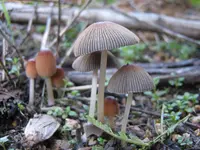
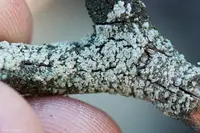
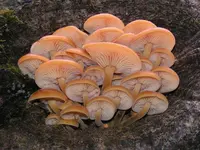
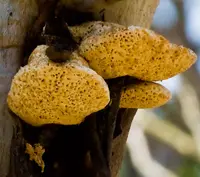
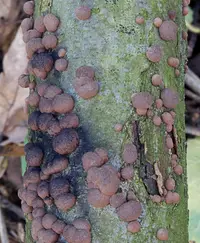
Hypoxylon macrocarpum is not a leafy plant but a wood-decay fungus that forms hard, cushion-like crusts on dead or dying broadleaf trees. Its fruiting bodies are typically dark brown to black and often cover patches of bark, giving the surface a rough, burnt appearance.

This species is native to forested regions of North America, where it plays a role in breaking down dead wood. It does not adapt well to decorative or pot culture, so attempts to grow or care for Hypoxylon macrocarpum at home are rarely successful.

It usually appears naturally where suitable deadwood, shade, and moderate moisture are present, and it is best observed in situ rather than cultivated.

Main Plant Requirements

Care Difficulty

Moderate Care

Light Preference

Partial Shade

Water Requirements

Moderate Water

Temperature Preference

Warm Climate

Hardiness Zone

Unknown

Soil Texture

Loamy

Soil pH

Slightly acidic (6.5–7.0)

Soil Drainage

Well-drained

Fertilization

Minimal (feed rarely)

Get Personalized Care Plan

Scan your plant to receive care tips personalized for your specific plant

Available on iOS and Android

How to Care for the Hypoxylon macrocarpum

This wood-inhabiting fungus prefers shaded forest conditions rather than direct, open sun.

  • Provide dappled or filtered light, such as beneath a tree canopy, with only 1–3 hours of weak morning sun and no harsh afternoon exposure.
  • Avoid full sun, which can over-dry the woody substrate and surrounding microhabitat, reducing humidity that supports Hypoxylon macrocarpum development.
  • In summer, prioritize consistent shade and protection from reflective heat; in winter, increased but still indirect light is acceptable as long as the substrate does not desiccate.

This species relies on stable moisture in its woody substrate and surrounding environment rather than direct watering.

  • Do not water the fungus itself; instead, keep the host wood and immediate soil slightly moist, allowing the top 2–5 cm of soil to dry lightly between waterings if in a managed bed.
  • Use well-drained yet moisture-retentive soil or mulch around colonized wood to avoid waterlogging, which can promote competing molds and anaerobic conditions.
  • Reduce supplemental watering in cool, wet seasons and increase light, infrequent watering during hot, dry spells, watching for cracking, overly dry wood as a sign more ambient moisture is needed.

This fungus is adapted to temperate outdoor conditions and tolerates a moderate range of temperatures.

  • Optimal activity generally occurs around 60–77°F (16–25°C), typical of mild spring and autumn conditions in deciduous forests.
  • It can survive cooler periods down to about 32°F (0°C), but repeated hard frosts may slow or pause visible fruiting until temperatures rise again.
  • Heat above 86°F (30°C), especially when combined with very dry air, can stress the substrate, so provide shade, leaf litter, or mulch to keep the wood cooler and slightly moist in summer.

This fungus does not have specific humidity needs in outdoor settings and usually does not require active humidity management.

Hypoxylon macrocarpum develops on woody substrates rather than in conventional garden soil, so focus on the condition of the host material.

  • Ensure the host wood or woody debris is firm but not waterlogged, since prolonged saturation limits oxygen and disrupts fungal development.
  • Avoid compacted or buried wood; partially exposed logs or stumps with air access around them support better gas exchange.
  • Maintain surroundings so surface water drains away from the wood, preventing standing puddles that encourage competing rot organisms.
  • If simulating habitat, use a mix of coarse wood chips and bark over well-drained mineral soil to keep the fungal zone aerated.

This species is not well suited to container growing, as it naturally colonizes larger pieces of dead wood in situ rather than confined substrates.

This fungus typically grows on decaying wood and does not need intentional fertilizing in garden or indoor settings.

Pruning is not a standard practice for Hypoxylon macrocarpum, since it is a wood-decaying fungus rather than a managed ornamental plant.

Transplanting is rarely relevant, as this species naturally colonizes dead or weakened wood instead of growing as a potted specimen.

  • If removal is needed, cut and discard the colonized wood rather than attempting to move the fungus.
  • For study or culture, transfer only small wood sections bearing fruiting bodies into a controlled environment.
  • Handle infected wood with gloves and dispose of it off-site if host tree health is a concern.

Intentional propagation is uncommon and mainly of interest for research, because this wood-decaying fungus spreads naturally via spores.

No special winter care is required, since this fungus persists on dead wood and tolerates natural outdoor temperature fluctuations in its range.

Care Tips

Wood selection

Grow this fungus on fresh, non-treated hardwood logs or large branches from oak, beech, or similar species, cut within the last 2–4 weeks so the wood still has enough moisture and nutrients for colonization.

Pre-colonization storage

Store cut logs in a shaded, cool place off bare soil on bricks or pallets for 1–2 weeks before inoculation so surface moisture can stabilize and competing soil fungi are less likely to invade.

Clean inoculation surfaces

Before inoculating, brush off loose bark, soil, lichens, and moss from the log surface and wipe drilling areas with isopropyl alcohol to reduce contamination from other fungi.

Moisture management

During dry periods, lightly hose or mist the log surface in the early morning, aiming to keep the wood evenly moist but never waterlogged, then let the surface dry by evening to discourage mold growth.

Monitoring fungal competitors

Inspect logs monthly and gently remove any visible soft, fuzzy molds or fast-growing bracket fungi, since early removal helps maintain a stable habitat when caring for Hypoxylon macrocarpum outdoors.

Common Pests and Diseases

Bark beetles

These insects bore into weakened woody hosts and can use Hypoxylon stromata as shelter, further stressing already declining trees. Symptoms include tiny round exit holes, fine boring dust, and progressively thinning foliage in the host tree.

Solution

Monitor declining host trees for fresh boring dust and exit holes, and remove and responsibly dispose of heavily infested wood before adult beetles emerge. Improve overall tree vigor through proper watering and mulching, and use vetted pheromone traps or, where appropriate, contact a certified arborist for targeted beetle management around sites where growing Hypoxylon macrocarpum is a goal.

Wood-boring moth larvae

This pest uses dead or dying branches that host Hypoxylon macrocarpum as a food source, tunneling through the wood and accelerating structural breakdown. Symptoms include frass-filled galleries and crumbly, weakened branches that snap easily.

Solution

Prune out and destroy infested branches and deadwood that show tunnels and frass, reducing habitat for larvae. Keep surrounding trees healthy to limit the amount of dying wood available, and avoid storing untreated, infested firewood or logs near areas where the fungus is being observed or studied.

Secondary wood-decay fungi

This disease complex involves other decay fungi colonizing wood already impacted by Hypoxylon macrocarpum, increasing the speed of decomposition and loss of structural integrity. Symptoms include multiple types of fruiting bodies on the same wood, soft or spongy tissue, and advanced cracking or collapse.

Solution

Remove and safely dispose of heavily decayed limbs or logs that pose a fall risk, and avoid walking or placing loads on visibly softened wood. When Hypoxylon is present on living trees in managed landscapes, consult an arborist to assess structural stability and decide whether selective pruning or full removal is needed to maintain safety.

Opportunistic molds

These fungi grow on moist wood surfaces near Hypoxylon stromata, feeding on surface organic residues and sometimes obscuring the diagnostic features of the Hypoxylon itself. Symptoms include powdery, fuzzy, or slimy surface growth in white, gray, or dark films over the bark or exposed wood.

Solution

Improve air circulation and reduce moisture retention by removing dense debris and avoiding prolonged contact of wet mulch or organic matter with woody surfaces. In small-scale settings, brush off superficial mold with a dry, stiff brush during dry weather and allow the area to dry thoroughly, avoiding any unnecessary chemical treatments on natural substrates.

Interesting Facts

Distinct stromatal cushions

This species forms relatively large, cushion-like fruiting bodies (stromata) on dead hardwood, often with a cracked, roughened surface that distinguishes it from many other Hypoxylon species with smoother crusts.

Wood decay specialist

It functions mainly as a saprobe, colonizing already dead or severely weakened hardwood branches and trunks, where it contributes to the breakdown of lignocellulose and accelerates wood decomposition in forest ecosystems.

Spore color and print

Its mature stromata release masses of dark brown to black ascospores, which give the surrounding bark and wood a sooty appearance when the fungus is actively sporulating.

FAQs about Hypoxylon macrocarpum

This is a wood-decaying fungus, not a culinary mushroom. It is considered inedible due to its hard, woody texture and lack of nutritional or gastronomic value. It should not be collected or eaten as food.

Grow Healthy Plants with Botan Care

Keep your plants happy and healthy with plant identification, disease detection, and easy care guidance.

Botan plant care app — identify plants on mobile

Explore More Plants