Hypoxylon vogesiacum Care

Hypoxylon vogesiacum

About Hypoxylon vogesiacum

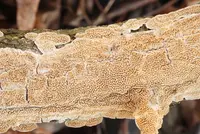
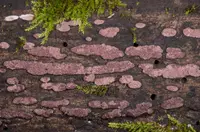
Hypoxylon vogesiacum is not a typical houseplant but a wood-decay fungus that forms crust-like patches on dead or dying hardwood, often in temperate forests. Its fruiting bodies appear as low, dark cushions or crusts on bark and exposed wood, contributing to the natural breakdown of timber. This species is mainly encountered outdoors by foresters, arborists, or nature enthusiasts rather than in cultivation. Because it depends on dead wood and specific moisture and temperature conditions, it is not practical to grow or care for Hypoxylon vogesiacum in a home or garden setting.

Main Plant Requirements

Care Difficulty

Moderate Care

Light Preference

Partial Shade

Water Requirements

Moderate Water

Temperature Preference

Cool Climate

Hardiness Zone

Unknown

Soil Texture

Loamy

Soil pH

Slightly acidic (6.5–7.0)

Soil Drainage

Well-drained

Fertilization

Minimal (feed rarely)

Get Personalized Care Plan

Scan your plant to receive care tips personalized for your specific plant

Available on iOS and Android

How to Care for the Hypoxylon vogesiacum

This fungus is typically found on dead or decaying wood in forests, where it experiences mostly indirect, filtered light.

  • Aim for dappled or filtered light under a tree canopy, avoiding more than 1–2 hours of direct midday sun, which can over-dry the substrate surface.
  • Partial shade is suitable; 2–4 hours of gentle morning or late-afternoon sun is acceptable if humidity stays high and wood does not crack.
  • In summer, protect colonized wood from intense, prolonged sun exposure, especially on exposed logs, to prevent overheating and rapid moisture loss.

This wood-inhabiting fungus depends on stable moisture in its host wood rather than direct watering of the organism itself.

  • Maintain the host wood evenly moist but not saturated; allow the outer 2–5 cm of wood or surrounding soil to feel just slightly dry before rewetting.
  • Improve drainage around logs or stumps so water does not pool for more than 24 hours, reducing risk of anaerobic decay and foul odor.
  • During hot, dry spells, increase misting or gentle watering of the surrounding area, watching for deep cracking or shriveling as signs of excessive drying.

This species develops on dead wood in temperate forests and tolerates a broad cool-to-mild temperature range outdoors.

  • Optimal activity usually occurs around 50–70°F (10–21°C), matching typical cool, moist woodland conditions.
  • It tolerates down to about 23–25°F (-5 to -4°C) on colonized wood, but extended hard freezes can slow or pause fruiting.
  • In warm seasons, try to keep the colonized substrate below 77–82°F (25–28°C) by shading and maintaining moisture, since excessive heat accelerates drying and decay dynamics.

Humidity is not a key factor for Hypoxylon vogesiacum, which usually occurs outdoors on dead wood rather than as a cultivated plant.

This wood-decay fungus does not require prepared soil, as it naturally colonizes dead hardwood rather than growing in typical garden substrates.

  • Occurs on well-decayed, moist hardwood rather than in mineral soil, so conventional potting mixes are not relevant.
  • Relies on the structure of rotting logs, where air spaces and moisture levels are regulated by the wood rather than by soil texture.
  • Shows best development on consistently damp but not waterlogged wood; saturated, anaerobic conditions slow fungal activity.
  • Avoid attempts to grow Hypoxylon vogesiacum in standard garden beds or pots, since absence of suitable deadwood substrate prevents establishment.

This species is not practically suitable for container growing, as it is a wood-inhabiting fungus rather than a potted plant.

This wood-decay fungus is typically found on dead hardwood and does not need supplemental fertilizer in managed settings.

Hypoxylon vogesiacum does not require horticultural pruning, since it is a saprophytic fungus that colonizes already dead wood.

In gardens or naturalistic plantings, focus on managing host wood rather than repotting this fungus.

  • Transplant only by relocating colonized dead logs or branches, keeping them intact to limit disturbance of fungal tissue.
  • Move wood during cool, moist weather in spring or fall to reduce desiccation stress.
  • Place relocated wood on soil or leaf litter in a shaded, humid area that mimics the original site.
  • Avoid cutting, stripping bark, or excessive handling, which can dry out the substrate and reduce fungal vigor.

Intentional propagation of this saprophytic fungus is uncommon and mainly of specialist or research interest, so routine home-garden methods are not used.

This species is naturally cold hardy in its range and needs no specific winter care in outdoor conditions.

Care Tips

Host tree selection

Establish this fungus only on already-dead or hazard-removed hardwood logs or stumps so it does not contribute to decline in living landscape trees.

Log positioning

Set inoculated logs or stump sections on raised supports like bricks or gravel strips to improve air circulation around the wood and slow unwanted decay by other fungi.

Moisture management

Maintain a stable, slightly moist environment around the wood by using coarse wood chips rather than fine mulch so the substrate does not stay waterlogged and anaerobic.

Competing fungi control

Remove visibly competing bracket fungi or heavy moss from the same log with a clean scraper so the Hypoxylon has better access to the wood substrate.

Monitoring structural safety

Inspect colonized logs or stumps at least once a year and reduce or fence off any pieces that become structurally unstable, especially near paths or play areas, as part of responsible Hypoxylon vogesiacum care.

Common Pests and Diseases

Wood-boring beetles

These insects tunnel into dead or severely weakened wood, creating galleries that can later be colonized by the fungus and other decay organisms. Symptoms include small round exit holes, frass (fine wood dust), and increasingly brittle branches.

Solution

Prune and dispose of heavily infested or dead wood promptly, then keep host trees healthy through proper watering and avoiding trunk injuries to reduce susceptibility. For valuable trees, consult a certified arborist who may recommend targeted trunk or branch treatments and monitoring rather than broad chemical use.

Bark beetles

These insects attack stressed hardwoods by boring through the bark and disrupting the tree’s vascular tissue, which can accelerate decline and create ideal conditions for colonization by secondary fungi. Symptoms include fine boring dust, pitch tubes on some hosts, and rapid crown dieback.

Solution

Remove and destroy severely infested branches or entire declining trees to break the beetle life cycle, and avoid leaving stacked, fresh hardwood logs nearby. Maintain tree vigor with proper site selection, watering during drought, and avoiding soil compaction so that trees are less attractive to beetles, and seek professional advice for pheromone traps or targeted treatments where outbreaks occur.

Secondary saproxylic flies

These insects develop in decaying wood and fungal fruiting bodies, sometimes emerging in large numbers from logs or dead branches that host the fungus. This pest does not usually harm living tissue but can be a nuisance around woodpiles or naturalistic garden features.

Solution

Limit nuisance by removing or relocating heavily decayed wood away from living spaces and by keeping any decorative logs dry and well ventilated. If needed, bag and dispose of highly colonized pieces and clean surrounding surfaces to remove organic residues that support further breeding.

Competing wood-decay fungi

These fungi colonize the same dead or dying hardwood substrates, sometimes outcompeting H. vogesiacum and altering the expected decay pattern and fruiting schedule. Symptoms include different-colored crusts, brackets, or cushions on the same log or stump.

Solution

For those specifically interested in growing Hypoxylon vogesiacum for study or display, use freshly cut, clean hardwood and maintain good airflow so the preferred fungus can establish first. Remove and discard sections dominated by other fungi and, if feasible, start with new, uncontaminated wood to reduce competition.

Interesting Facts

European beech specialist

This ascomycete fungus is strongly associated with Fagus species, especially European beech, where it typically fruits on dead or dying wood rather than healthy tissue.

Tiny crust-like stromata

It forms very small, flat, crust-like fruiting bodies that are often barely raised above the bark surface, which makes the species easy to overlook in the field compared with more conspicuous Hypoxylon relatives.

Diagnostic spore features

Identification relies mainly on microscopic traits such as the size and shape of its brown ascospores and the structure of its asci, since macroscopic characters can closely resemble those of related Hypoxylon species.

FAQs about Hypoxylon vogesiacum

This fungus is not considered edible and should not be collected for food. It has no culinary value, and identification errors with similar species can be risky, so it is best left on host wood.

Grow Healthy Plants with Botan Care

Keep your plants happy and healthy with plant identification, disease detection, and easy care guidance.

Botan plant care app — identify plants on mobile

Explore More Plants