Illosporiopsis christiansenii Care

Illosporiopsis christiansenii

About Illosporiopsis christiansenii

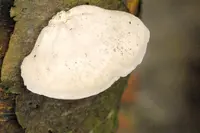
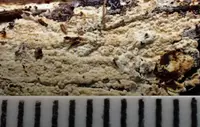
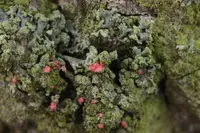
Illosporiopsis christiansenii is not a typical houseplant but a lichenicolous fungus that lives on the surface of certain lichens, forming small pink to orange patches. It grows as a thin, irregular crust rather than as stems or leaves.

This species occurs mainly in temperate regions, often in forests or coastal areas where suitable host lichens are present. It depends strongly on its host, which makes it challenging to cultivate deliberately.

For those studying or attempting to care for Illosporiopsis christiansenii, stable outdoor conditions, clean air, and naturally established lichen hosts are more important than standard soil or pot culture.

Main Plant Requirements

Care Difficulty

Moderate Care

Light Preference

Partial Shade

Water Requirements

Moderate Water

Temperature Preference

Warm Climate

Hardiness Zone

Unknown

Soil Texture

Loamy

Soil pH

Slightly acidic (6.5–7.0)

Soil Drainage

Well-drained

Fertilization

Minimal (feed rarely)

Get Personalized Care Plan

Scan your plant to receive care tips personalized for your specific plant

Available on iOS and Android

How to Care for the Illosporiopsis christiansenii

This lichen-associated fungus prefers low to moderate natural light rather than direct, intense sun exposure.

  • Provide bright shade or dappled light with no more than 1–2 hours of very soft early-morning sun, avoiding direct midday or afternoon rays that can overheat the substrate.
  • It tolerates partial shade and can grow on bark in north- or east-facing exposures, as long as there is open sky and 4–6 hours of indirect daylight.
  • Excessive sun can dry and bleach the host lichen surface, while too little light reduces vigor and makes Illosporiopsis christiansenii sparse or patchy over time.

This species depends on ambient moisture rather than direct watering, so focus on the hydration of its substrate and surrounding environment.

  • Avoid direct watering on the lichen colonies; instead, allow natural rainfall or very fine misting, and let surfaces dry fully between wet periods to prevent prolonged surface saturation.
  • In humid or rainy seasons, ensure bark surfaces drain freely and do not stay waterlogged, since stagnant moisture encourages competing algae and fungi rather than healthy lichen growth.
  • During dry spells, light misting in early morning can support the host lichen, but dark, slimy patches or persistent surface wetness signal overdoing moisture exposure.

This fungus is relatively tolerant but performs best in mild, temperate conditions without temperature extremes.

  • Aim for general ambient conditions around 50–77°F (10–25°C), typical of many temperate outdoor habitats where host lichens thrive on tree bark or rock.
  • It usually survives brief drops near 23–28°F (-5 to -2°C) once established, but repeated hard frosts and rapid freeze–thaw cycles can damage the supporting lichen structure.
  • Extended heat above 86°F (30°C), especially combined with very dry air and full sun on bark, can desiccate the lichen surface and reduce long-term colony stability.

This lichen-like fungus tolerates a broad humidity range but performs best in consistently moist air.

  • Aim for 50–80% humidity, avoiding prolonged exposure below 40% in heated or very dry spaces.
  • Tolerates short dry spells, but fruticose or crust-like growth may appear dull, brittle, or stop expanding under chronic dryness.
  • Increase humidity locally by misting nearby surfaces, placing damp, porous materials close by, or using a small humidifier that prevents complete air stagnation.

Illosporiopsis christiansenii is typically epiphytic, so it benefits from a loose, well-aerated, low-nutrient substrate rather than dense, rich soil.

  • Use a very open mix such as fine orchid bark, a little sphagnum moss, and coarse sand or perlite to mimic its natural, airy habitat on bark surfaces.
  • Ensure rapid drainage so water runs through within seconds; the substrate should stay slightly moist but never waterlogged or compacted.
  • Keep pH slightly acidic to neutral, around 5.5–7.0, by avoiding alkaline amendments such as lime or heavy wood ash.
  • Avoid heavy garden loam, peat alone, or compost-rich mixes that hold excess water and nutrients, which can promote competing algae or fungi and smother the organism.

This species can be grown in containers only when mounted on a suitable substrate rather than planted in conventional potting media.

  • Use a shallow, wide container or tray that allows mounting pieces of bark or stone while keeping free air circulation around them.
  • Choose inert, stable materials like unglazed clay or stone that help buffer moisture without staying saturated for long periods.
  • Elevate mounts slightly above any water reservoir so moisture rises by ambient humidity, not by keeping the base in standing water.

Illosporiopsis christiansenii is a lichen that does not use soil nutrients in the way vascular plants do, so added fertilizer is unnecessary.

Pruning is not applicable to Illosporiopsis christiansenii, as it is a lichen growing as a thin crust or patch on host surfaces rather than a woody or leafy plant.

Transplanting Illosporiopsis christiansenii is rarely practical because lichens attach tightly to bark, rocks, or other substrates and do not respond like potted plants.

  • Avoid attempting to peel or scrape lichens from tree bark, as this damages both lichen and host.
  • If study or conservation requires relocation, move the entire small piece of bark or rock rather than the lichen alone.
  • Keep the original orientation to sun and moisture as similar as possible to support survival.
  • Handle substrates gently and avoid drying or overheating during any move.

Propagation of Illosporiopsis christiansenii is specialized and not typically attempted in home or garden settings.

Winter care is not needed for Illosporiopsis christiansenii, as this lichen is naturally adapted to outdoor temperature fluctuations, including frost, in its native range.

Care Tips

Monitor host health

Regularly inspect the host plant (usually lichens or bryophytes) and reduce stress factors such as heavy shading, air pollution, or physical damage, since a declining host community often precedes the loss of Illosporiopsis christiansenii.

Avoid harsh cleaning

Do not scrub, pressure-wash, or chemically clean bark, old walls, or rock surfaces where the fungus occurs, because this removes the delicate lichen and moss hosts it depends on.

Provide stable substrates

If cultivating in a managed setting, maintain undisturbed sections of mature bark or old masonry and avoid frequent pruning or resurfacing, so the symbiotic lichen layer and associated Illosporiopsis colonies can remain stable over many years.

Limit chemical exposure

Keep fungicides, broad-spectrum biocides, and strong fertilizers away from colonized surfaces, as these can directly kill the fungus or indirectly harm it by damaging its lichen hosts.

Track microclimate shifts

Periodically note changes in light exposure, moisture patterns, and airflow around the colonized surface, since early detection of drying trends or increased heat helps guide interventions when caring for Illosporiopsis christiansenii in situ.

Common Pests and Diseases

Lichen overgrowth

Symptoms include dense, pale patches or crusts on the bark surface where this lichenicolous fungus naturally grows on its lichen host. This condition can indicate that the supporting lichen and underlying bark are staying overly shaded and damp for long periods.

Solution

Gently brush excess lichen and fungal growth from bark using a soft brush when conditions are dry, taking care not to damage the substrate. Improve light and airflow around the host branch or structure by selective pruning or spacing, and avoid frequent overhead watering to keep bark surfaces from remaining wet for many hours.

Secondary bark fungi

This disease appears as additional small fungal spots, crusts, or discoloration on the same lichen-covered bark, often where tissue has been weakened or stressed. These fungi usually exploit already compromised bark or lichen and can slowly enlarge affected areas under persistently damp conditions.

Solution

Prune out and dispose of heavily affected twigs or small branches during dry weather, cutting back to healthy tissue. Promote faster drying by increasing airflow and light exposure, and avoid injuring bark so that secondary fungi have fewer entry points while you grow Illosporiopsis christiansenii on its host.

Interesting Facts

Unusual lichen parasite

This fungus is lichenicolous, meaning it lives on and in lichens, particularly on species of Ramalina and other fruticose lichens on tree bark in coastal and humid habitats.

Distinctive pink colonies

It forms small, often bright pink to orange-pink patches on its lichen hosts, which makes it one of the more visually conspicuous lichen-associated fungi in the field.

Wide but patchy distribution

The species is recorded from multiple temperate regions, including parts of Europe and North America, but occurs in a scattered pattern that reflects the presence and health of its specific lichen hosts.

Botan icon

Did you know?

Illosporiopsis christiansenii is often used by lichenologists and field mycologists as an indicator organism, since its presence can help reveal subtle lichen diversity and microhabitat conditions that might otherwise be overlooked on tree bark or coastal rocks.

FAQs about Illosporiopsis christiansenii

This licheniform fungus spreads slowly across suitable bark or substrate, forming small patches rather than large mats. It is not considered aggressive and usually remains limited to scattered colonies where humidity, light, and bark chemistry are favorable.

Grow Healthy Plants with Botan Care

Keep your plants happy and healthy with plant identification, disease detection, and easy care guidance.

Botan plant care app — identify plants on mobile

Explore More Plants