Infundibulicybe costata Care

Infundibulicybe costata

About Infundibulicybe costata

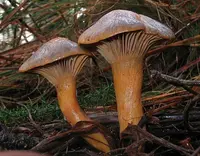
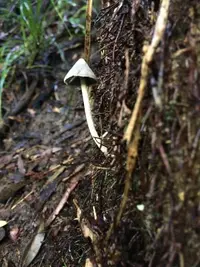
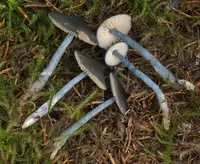
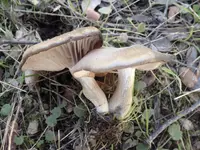
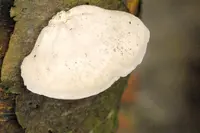
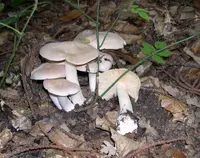
Infundibulicybe costata is not a plant but a ground-dwelling mushroom species, often found in coniferous or mixed forests. It typically forms small to medium, funnel-shaped caps with pale, buff to ochre tones and a slender stem.

This fungus usually appears in scattered groups on leaf litter or mossy soil, where it lives as a decomposer, helping break down organic matter. It is considered a specialist organism that can be difficult to cultivate outside its natural woodland habitat, so attempts to care for Infundibulicybe costata at home are rarely successful.

In nature it prefers cool, moist, shaded sites with well-drained, humus-rich forest soil and consistent seasonal moisture, rather than highly managed garden or indoor settings.

Main Plant Requirements

Care Difficulty

Moderate Care

Light Preference

Partial Shade

Water Requirements

Moderate Water

Temperature Preference

Cool Climate

Hardiness Zone

Unknown

Soil Texture

Loamy, Sandy, Organic-rich

Soil pH

Acidic (5.5–6.5), Slightly acidic (6.5–7.0)

Soil Drainage

Moist but well-drained

Fertilization

Minimal (feed rarely)

Get Personalized Care Plan

Scan your plant to receive care tips personalized for your specific plant

Available on iOS and Android

How to Care for the Infundibulicybe costata

This woodland fungus prefers low to moderate light similar to a shaded forest floor.

  • Provide bright shade or dappled light, with no more than 1–3 hours of weak morning sun and full protection from direct midday and afternoon sun to prevent desiccation of the substrate.
  • Site Infundibulicybe costata under deciduous trees or shrubs where leaf cover filters light in summer but allows slightly brighter conditions in spring and autumn.
  • Avoid deep, continuous darkness; aim for open shade where you can comfortably read, as this balance supports healthy mycelial growth and fruiting.

Moist, humus-rich soil is essential for stable mycelial development and fruiting.

  • Maintain evenly moist ground, allowing only the top 1–2 cm of leaf litter or soil to dry slightly between natural rain events or supplemental watering.
  • Use well-drained, organic-rich substrates; avoid standing water, which leads to sour smells, moldy patches, or collapsing fruiting bodies, clear signs of overwatering stress for Infundibulicybe costata.
  • Increase moisture support in late summer and autumn with gentle, infrequent soakings, while in cooler months rely mostly on natural rainfall, watching for cracked, brittle litter as a cue for additional water.

This species thrives in cool to mild conditions typical of temperate woodland floors.

  • Aim for an active growth range of 50–68°F (10–20°C), which supports stable mycelium and reliable seasonal fruiting.
  • Protect from hard frost below about 26°F (-3°C), as repeated freeze–thaw cycles can damage surface mycelium and emerging fruiting bodies.
  • In warmer spells above 77°F (25°C), shade the area and maintain higher moisture in the litter layer to buffer heat, since extended hot, dry periods reduce fruiting success.

Humidity is not a key factor for Infundibulicybe costata, which tolerates typical outdoor fluctuations well.

This fungus requires moist, well-aerated, organic-rich ground to form healthy fruiting bodies.

  • Use a loose mix rich in leaf litter, compost, and fine wood chips to mimic forest-floor humus.
  • Ensure moisture retention but avoid waterlogging by mixing in coarse sand or fine bark for better drainage.
  • Maintain slightly acidic to neutral conditions around pH 5.5–7 by using composted hardwood material rather than alkaline amendments.
  • Avoid compacted, heavily tilled, or highly fertilized soils, which disrupt the fungal mycelium and reduce fruiting.

This species is not well suited to typical container growing, as it naturally establishes in undisturbed ground with extensive mycelial spread.

This wild, wood- or litter-inhabiting fungus does not need routine fertilization in cultivation or observation settings.

Infundibulicybe costata does not benefit from horticultural-style pruning, since the visible mushroom is only the temporary fruiting body of an underground mycelium network.

In garden or experimental settings, this fungus is managed by adjusting its substrate rather than traditional repotting.

  • Transplant only when moving colonized substrate, such as leaf litter, wood debris, or soil, into a fresh but similar environment.
  • Plan moves during mild, moist weather to reduce desiccation stress on the mycelium.
  • Handle substrate gently, keeping clumps intact so the fungal network is not broken apart.
  • After transplanting, maintain steady moisture and avoid disturbance while the mycelium re-establishes.

Practical propagation of this wild fungus is specialized and not typically undertaken by home growers, so Infundibulicybe costata care instructions focus on habitat rather than multiplication.

This species is adapted to natural outdoor temperature fluctuations and usually needs no targeted winter care in the ground or forest-like settings.

Care Tips

Substrate pasteurization

Before inoculation, pasteurize leaf litter or woodchip substrate at 140–160°F for 1–2 hours to reduce competing fungi and bacteria while preserving beneficial microbes.

pH and calcium check

Maintain the substrate at a mildly acidic to neutral pH around 5.5–7.0 and mix in a small amount of agricultural lime or crushed limestone if using very acidic conifer litter to better match this species’ natural habitat.

Gradual moisture cycling

Cycle between moist and slightly drier conditions in the upper substrate layer by allowing the surface to just begin to dry before misting again, which encourages stronger mycelial colonization and helps prevent anaerobic pockets.

Forest floor mimicry

Layer mixed hardwood leaf litter over a base of well-rotted woodchips and fine twigs 5–8 cm deep, then top with a thin 0.5–1 cm layer of fresh leaves to mimic the natural forest floor structure when growing Infundibulicybe costata.

Spore recycling

After a flush, leave several mature caps to release spores over the bed and gently rake the top 1–2 cm of substrate to help distribute spores and renew colony genetics over time.

Common Pests and Diseases

Mold contamination

This disease appears as fast-spreading, fuzzy or powdery growth that overgrows the mycelium and fruiting bodies. Symptoms include off odors, discoloration, and distorted or stunted caps.

Solution

Remove and discard all contaminated substrate or fruiting bodies at the first sign of foreign mold, then thoroughly clean or replace containers and tools with hot water and detergent. For future growing Infundibulicybe costata projects, use pasteurized or sterilized substrate, work with clean hands and tools, and provide strong fresh air exchange to keep surfaces dry between misting cycles.

Bacterial blotch

This disease causes greasy, water-soaked spots on caps and stems that may turn yellow-brown and slimy. Symptoms include a sour or unpleasant smell and rapid tissue collapse in wet, poorly ventilated setups.

Solution

Discard heavily affected mushrooms and reduce surface moisture by misting less frequently and increasing fresh air exchange. Clean surfaces and equipment with a mild disinfectant, avoid overhead standing water on caps, and keep temperatures in the recommended fruiting range to reduce bacterial spread.

Mite infestation

These insects are tiny, often pale or translucent, and may gather on substrate or gills, causing pitting, scarring, or poor development of caps. This pest weakens the mycelium and can spread quickly in warm, crowded conditions.

Solution

Remove and discard heavily infested blocks or trays, then thoroughly clean the growing area, racks, and tools. For ongoing Infundibulicybe costata care instructions, use fine mesh screens, avoid bringing in unpasteurized organic matter, and consider introducing only clean, inspected cultures and substrates to reduce reinfestation risk.

Fungus gnat larvae

These insects lay eggs in moist substrate, and the larvae feed on mycelium and young fruiting bodies, leading to deformed or aborted mushrooms. Adults resemble small dark flies hovering near trays or bags.

Solution

Use yellow sticky traps to reduce adult populations and limit egg laying, and allow the top layer of substrate or casing to become slightly less wet between mistings without letting it fully dry out. Cover vents and openings with fine mesh, remove spent or heavily infested blocks promptly, and maintain good sanitation to break the life cycle.

Green Trichoderma mold

This disease starts as white, cottony patches on substrate that turn bright to dark green as spores form, rapidly outcompeting the mushroom mycelium. Symptoms include stalled growth, patchy colonization, and strong earthy or musty odors.

Solution

Isolate and discard contaminated blocks or trays immediately to prevent spore spread, and avoid opening them in the main grow area. Clean the space thoroughly, improve substrate pasteurization or sterilization, and maintain stable temperature and fresh air to favor healthy mushroom mycelium over Trichoderma growth.

Interesting Facts

Distinctive funnel shape

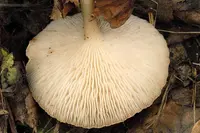
Mature fruitbodies often develop a shallow, funnel-shaped cap with a slightly depressed center and decurrent gills that run down the stem, a key feature used to separate it from similar pale clitocyboid fungi in mixed conifer–broadleaf forests.

Preference for conifers

This species is frequently recorded in association with coniferous trees, especially spruce and fir, growing on needle litter and humus, which helps distinguish it ecologically from close relatives that favor broadleaf woodland.

Subtle but diagnostic odor

Fresh specimens can have a faint, farinaceous odor, meaning they smell slightly like raw flour or meal, a diagnostic character that mycologists use together with microscopic traits to confirm identification when studying Infundibulicybe costata care instructions in cultivation contexts.

FAQs about Infundibulicybe costata

This mushroom is considered inedible or of unknown edibility and should not be collected for food. Identification of small, pale gilled fungi is difficult, and confusion with toxic species is common, so foraging is not recommended.

Grow Healthy Plants with Botan Care

Keep your plants happy and healthy with plant identification, disease detection, and easy care guidance.

Botan plant care app — identify plants on mobile

Explore More Plants