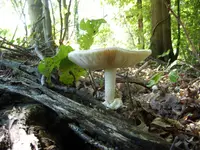
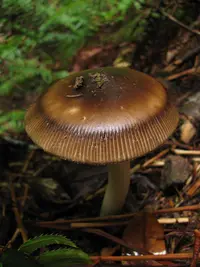
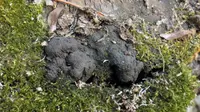
Incrustoporia brevispora Care

Incrustoporia brevispora

About Incrustoporia brevispora

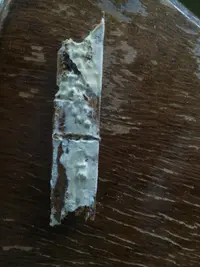
Incrustoporia brevispora is a crust-forming wood-decay fungus, not a typical leafy houseplant. It forms thin, spreading patches on dead or dying wood, often with a smooth to slightly bumpy surface. Color and texture vary with age and moisture but usually blend into bark and decaying timber.

This species occurs mainly on forest wood in temperate regions, where it plays a role in breaking down lignin and cellulose, the main structural components of wood. It is not commonly cultivated, and information on how to care for Incrustoporia brevispora under controlled conditions is limited, though it generally favors consistently moist, shaded, cool environments and well-decayed wood as its substrate.

Main Plant Requirements

Care Difficulty

Moderate Care

Light Preference

Partial Shade

Water Requirements

Moderate Water

Temperature Preference

Warm Climate

Hardiness Zone

Unknown

Soil Texture

Loamy

Soil pH

Slightly acidic (6.5–7.0)

Soil Drainage

Well-drained

Fertilization

Minimal (feed rarely)

Get Personalized Care Plan

Scan your plant to receive care tips personalized for your specific plant

Available on iOS and Android

How to Care for the Incrustoporia brevispora

This wood-decaying fungus prefers stable, shaded woodland light levels rather than direct sun exposure.

  • Provide dappled or full shade, similar to a forest understory, avoiding more than 1–2 hours of direct sun per day to prevent drying of the fruiting bodies and substrate.
  • Site Incrustoporia brevispora on the shaded side of logs, stumps, or dead wood, where it receives indirect daylight but is shielded from harsh midday and afternoon sun.
  • In summer, protect from hot, reflected light, while in winter ensure access to open sky or light gaps so natural daylength still reaches the colonized wood.

This fungus depends on consistently moist, not waterlogged, wood and surrounding habitat.

  • Choose well-drained, decaying logs or stumps where excess rainwater runs off, avoiding spots that stay submerged or form standing water for more than 24 hours.
  • Aim for wood that feels evenly damp inside; if cultivating, rehydrate only when the outer 2–5 cm begin to dry and the surface looks dull rather than glossy with moisture.
  • Watch for signs of stress: waterlogged wood may smell sour or show slimy patches, while underwatered wood becomes very light, cracked, and pulls away from surrounding soil or leaf litter.

This species grows best in cool to mild woodland conditions without temperature extremes.

  • Support active growth at about 50–70°F (10–21°C), which matches many temperate forests where metabolic activity of the mycelium remains stable.
  • Avoid hard frost below about 23°F (-5°C), which can damage exposed fruiting bodies, and protect colonized wood from repeated freeze–thaw cycles when possible.
  • In hotter periods above 77–86°F (25–30°C), maintain shade and higher ambient humidity to reduce desiccation of the substrate and slow thermal stress on the mycelium.

Humidity is not a major factor for Incrustoporia brevispora, which naturally grows as a crust fungus on wood in outdoor conditions.

This wood-decaying fungus does not grow in soil, so substrate preparation focuses on suitable wood rather than ground conditions.

  • Establish Incrustoporia brevispora on sound, undecayed hardwood or softwood, since it naturally colonizes lignin- and cellulose-rich timber rather than mineral soil.
  • Avoid compacted garden soil, potting mixes, or heavily amended beds, because these prevent the fungus from forming the necessary wood-inhabiting structures.
  • If attempting cultivation, provide clean, untreated logs or thick branches, avoiding wood exposed to fungicides, preservatives, or heavy metals.
  • Keep the chosen wood off constantly waterlogged ground to limit competing fungi and bacterial rot that can outcompete this species.

This species is generally unsuitable for container growing because it is a crust fungus that requires solid wood rather than a potting medium.

This wood-decaying fungus typically grows on nutrient-rich dead wood and does not need added fertilizer in cultivation.

Incrustoporia brevispora does not require pruning, since its fruiting bodies form and break down naturally on dead wood.

This species is usually established on logs or dead wood rather than in pots, so focus on positioning rather than repotting.

  • Move colonized wood only when the fungus is dormant and not actively fruiting, usually in cooler seasons.
  • Shift the log gently to a new site with similar shade, humidity, and airflow to limit stress on the mycelium.
  • Avoid breaking or cutting the colonized wood, since damage can dry out the internal mycelial network.
  • If container-grown on wood pieces, transplant to fresh hardwood when the substrate is heavily decomposed.

Propagation of Incrustoporia brevispora is specialized and mostly handled by mycologists rather than casual growers.

This fungus is naturally cold hardy in its native range and usually needs no special winter care when grown outdoors on wood.

Care Tips

Substrate rotation

When cultivating this crust fungus on logs or sterilized wood blocks, stagger inoculation dates and rotate older substrates out as soon as fruiting bodies decline to reduce contamination pressure from competing fungi and bacteria.

Clean tool protocol

Use a dedicated, disinfected knife or scalpel to collect samples or trim colonized wood, wiping blades with 70% isopropyl alcohol between cuts to avoid transferring pathogens or rival fungi between culture pieces.

Moisture gradient setup

Create a gentle moisture gradient by keeping one end of the log or tray slightly more exposed to airflow and the other more protected, so the mycelium can occupy the most suitable microzone and maintain stable fruiting without frequent manual adjustments.

Controlled air exchange

Provide slow but continuous air exchange around fruiting wood in a sheltered, shaded area using a small fan set on low and directed past, not at, the culture to limit mold build‑up while preventing the crust from drying at the edges.

Document microhabitat

When caring for Incrustoporia brevispora under semi-natural conditions, record host wood type, bark condition, and ambient conditions (shade level, airflow, nearby mosses or lichens) so future attempts can reproduce the microhabitat that supported the best growth.

Common Pests and Diseases

White rot decay

This disease causes rapid white, spongy decay of the woody substrate the fungus is inhabiting, often with thinning and fragmentation of the fruiting crust. Symptoms include loss of structural strength in the host wood and a pale, fibrous rot that spreads along the grain.

Solution

Remove and dispose of heavily decayed wood to slow spread, and avoid storing freshly cut, moist hardwood in poorly ventilated piles where the fungus can continue colonizing. For collections or displays, keep colonized wood pieces dry and well aerated, and physically separate them from sound timber that should not be infected.

Competitive mold overgrowth

This disease appears as fast-growing, often fuzzy molds that overrun the crust-like fruiting bodies, leading to discoloration, patchy growth, and eventual loss of fertile surface. This pest complex is favored by stagnant, very humid air and nutrient-rich organic dust on the substrate surface.

Solution

Improve airflow around the colonized wood, reduce excessive moisture, and carefully brush or cut away severely overgrown sections while keeping spore-laden debris out of enclosed spaces. In cultivation or display, limit organic debris buildup on and around the substrate and avoid misting directly onto the fruiting surface.

Wood-boring beetle larvae

These insects tunnel through the host wood supporting the fungus, creating galleries that can destabilize the substrate and interrupt the fungus’s feeding zones. This pest activity may cause crumbling wood, frass (fine sawdust), and irregular drying or collapse of the fungal crust.

Solution

Physically remove and discard heavily infested wood pieces and avoid using beetle-infested logs as display or cultivation material. Store sound wood off the ground, in dry, well-ventilated conditions, and if needed, use freezing or controlled-heat treatment of logs prior to using them as substrate to minimize larvae presence while still allowing growing Incrustoporia brevispora to establish on clean material.

Springtail grazing

These insects are small, moisture-loving arthropods that feed on fungal tissues and spores, sometimes causing pitting or uneven texture on the fruiting surface. Symptoms include minor surface damage and reduced spore production on heavily grazed areas under very damp, enclosed conditions.

Solution

Lower surface moisture by reducing misting and improving ventilation, especially in enclosed terraria or culture boxes. Remove excess leaf litter and organic debris where populations build up, and, if needed, gently rinse the wood surface with clean water and allow it to dry partially so conditions no longer favor large springtail populations.

Interesting Facts

Crust-forming wood decomposer

This species forms a thin, resupinate (crust-like) fruiting body that spreads flat across dead wood, rather than producing a typical bracket or cap-and-stem mushroom.

Very short spores

The species name brevispora refers to its unusually short spores, which are a key microscopic feature mycologists use to separate it from closely related crust fungi.

White-rot specialist

It is a white-rot fungus that breaks down both cellulose and lignin in dead wood, playing a role in nutrient recycling in forest ecosystems.

FAQs about Incrustoporia brevispora

This wood-decaying fungus grows relatively slowly, expanding its crust-like fruiting bodies over months rather than weeks. Growth rate depends strongly on wood moisture, temperature, and substrate quality, rather than on typical garden care inputs.

Grow Healthy Plants with Botan Care

Keep your plants happy and healthy with plant identification, disease detection, and easy care guidance.

Botan plant care app — identify plants on mobile

Explore More Plants