Birch Woodwart Care (Jackrogersella multiformis)

Birch Woodwart

About Birch Woodwart

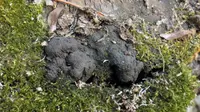
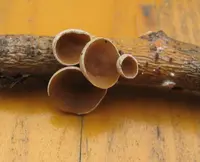
Birch woodwart, Jackrogersella multiformis, is a wood-decay fungus that forms hard, irregular crusts or lump-like structures on birch trunks and branches. It usually appears dark brown to black, with a tough, woody texture.

This species is native to temperate regions of the Northern Hemisphere, especially in forests where birch is common. It plays an ecological role in breaking down dead wood but is not a decorative or cultivated garden feature.

Gardeners rarely try to care for Birch Woodwart, since it develops naturally on suitable dead or declining birch wood. It prefers cool, moist woodland conditions and stable, undisturbed host material.

Main Plant Requirements

Care Difficulty

Moderate Care

Light Preference

Partial Shade

Water Requirements

Moderate Water

Temperature Preference

Warm Climate

Hardiness Zone

Unknown

Soil Texture

Loamy

Soil pH

Slightly acidic (6.5–7.0)

Soil Drainage

Well-drained

Fertilization

Minimal (feed rarely)

Get Personalized Care Plan

Scan your plant to receive care tips personalized for your specific plant

Available on iOS and Android

How to Care for the Birch Woodwart

This wood-inhabiting fungus prefers cool, shaded forest conditions rather than direct sun exposure.

  • Provide bright shade or dappled woodland light, with no more than 1–2 hours of weak morning sun and full protection from harsh midday and afternoon sun.
  • Encourage growth on the shaded side of birch logs or stumps; caring for Birch Woodwart is easiest where tree canopies filter at least 60–80% of direct light.
  • In summer, shield host wood from drying sun and hot winds; in winter, low-angle light is less harmful but desiccating sun plus frost can damage the substrate.

This species depends on consistently moist, but not waterlogged, dead birch wood rather than direct soil watering.

  • Maintain surrounding soil and mulch evenly moist so the log or stump stays damp; the outer 2–3 cm of wood should feel cool and slightly moist, not soggy.
  • Improve drainage under host wood with leaf litter or coarse bark to prevent standing water, which encourages rot that can break down the substrate too quickly.
  • Reduce supplemental moisture in cool, wet seasons and increase it during hot, dry spells if the wood surface feels dry, cracked, or noticeably lighter in weight.

This fungus is adapted to cool to mild temperate climates and relies on stable, non-extreme conditions around its host wood.

  • Aim for moderate conditions of about 45–70°F (7–21°C), which support steady decomposition and fruiting on suitable birch substrates.
  • Tolerate short drops near 20–25°F (-6 to -4°C) when the wood is moist and insulated by leaf litter, but repeated hard freezes without cover can damage the mycelium.
  • In hot spells above 80°F (27°C), shade and humidity become critical; protect logs from direct sun and drying winds to prevent overheating and rapid moisture loss.

Humidity is not a critical factor for Jackrogersella multiformis, which naturally tolerates exposed, drying conditions on birch wood.

This fungus develops on decaying wood rather than in mineral soil, so focus on suitable woody substrate instead of conventional potting mixes.

  • Use well-rotted birch logs or thick branches with firm but decaying heartwood, as Jackrogersella multiformis specializes on birch hosts.
  • Keep the wood consistently moist but never waterlogged, allowing surface layers to dry slightly between soakings to prevent anaerobic conditions.
  • Avoid burying the wood in dense, fine-textured soil; instead, rest it on coarse bark, wood chips, or gravel to maintain air flow around the log.
  • If a pH adjustment is needed, use leaf mold or partially decomposed hardwood chips rather than lime or fertilizers to keep chemistry close to natural woodland conditions.

This species is only loosely suited to container growing because it depends on decaying birch wood rather than standard pot culture.

  • Secure the birch log firmly in a heavy, low container filled with coarse gravel or bark to prevent tipping as fruiting bodies form.
  • Choose a wide, shallow tub so air can move freely around the log while the base medium stays slightly moist but never stagnant.
  • Position the container where natural rain or gentle overhead watering can wet the wood directly without pooling in the base.

Jackrogersella multiformis grows on birch wood and usually does not require direct fertilization, as it relies on the host substrate’s nutrients.

Pruning is not applicable to Jackrogersella multiformis, since it is a wood-inhabiting fungus rather than a leafy ornamental plant.

This fungus is not suited to typical repotting; focus instead on thoughtful placement of its birch host material.

  • Transplant only by relocating colonized birch logs or branches, keeping them intact to preserve the fungal network.
  • Move host wood during cool, moist weather in spring or fall to reduce drying and stress.
  • Handle wood gently, avoiding bark damage, since the fungus depends on stable, undisturbed substrate.
  • Place the wood in a shaded, humid spot with minimal disturbance to encourage continued colonization.

Practical propagation of Jackrogersella multiformis is specialized and not commonly attempted by home growers, so routine methods are rarely used.

In temperate climates this wood-inhabiting fungus is naturally cold hardy and usually needs no special winter care.

Care Tips

Retain Host Bark

When collecting specimens, leave them attached to small birch bark sections rather than peeling them off, as the fungus establishes in the wood and remains more stable and longer-lasting on intact bark.

Cool, Stable Storage

For long-term display of dried fruiting bodies, keep mounted bark plates in a cool, dry place away from direct sun and strong heat sources to slow fading, cracking, and brittleness.

Gentle Cleaning Only

If surface debris accumulates, use a soft, dry artist’s brush to remove dust from the fruiting bodies and bark, avoiding water or cleaning solutions that can cause discoloration or soften tissue.

Monitor For Molds

Inspect stored material periodically for fuzzy green, white, or black molds, and if seen, increase air circulation, lower humidity, and isolate or discard heavily contaminated pieces to protect the rest of the collection.

Label Host And Site

When documenting or growing Birch Woodwart on cut birch logs outdoors, label each piece with birch species, collection site, and date, which helps track which host types and conditions produced the most reliable fruiting over time.

Common Pests and Diseases

Trunk decay fungi

This disease affects the dead or dying birch wood and fruiting bodies of the woodwart, causing soft, crumbly tissue and distorted or collapsing stromata. Symptoms include loss of structural integrity in the supporting birch trunk or branch where the fungus develops.

Solution

Remove and dispose of severely decayed birch sections supporting the fungus if they pose a safety risk, and avoid injuring nearby living birch tissue to limit further colonization by other decay fungi. Maintain surrounding birch trees in good health through proper watering and mulching so that Jackrogersella multiformis remains largely confined to dead wood rather than advancing into weakened living tissue.

Bark-boring beetles

These insects tunnel into dead or stressed birch wood hosting the fungus, creating small exit holes, frass (wood dust), and internal galleries that can alter moisture balance around the woodwart. This pest can hasten drying and cracking of the substrate, which may deform or prematurely age the fungal structures.

Solution

Prune and remove heavily infested dead birch sections during dormant seasons and destroy or chip the material to break the beetle life cycle. Maintain adjacent birch trees vigor with reduced stress and avoid leaving large volumes of fresh dead birch wood on site, which limits breeding sites for borers around Birch Woodwart care instructions habitats.

Wood-feeding larvae

These insects, often moth or beetle larvae, feed within the same dead birch branches colonized by the fungus, producing internal tunnels and pockets. This pest can cause localized collapse of bark plates that support or shelter the stromata, exposing them to extreme drying and mechanical damage.

Solution

Cut out and remove dead birch segments with visible larval galleries or soft, tunneled interiors, then dispose of them away from the growing area. Where habitat conservation is a goal, selectively retain only stable, well-seasoned birch logs and avoid piling fresh, thin branches that encourage high densities of wood-feeding larvae near established fruiting clusters.

Competing saprobic fungi

This disease pressure arises from other decomposer fungi colonizing the same birch wood, leading to patchy white, gray, or colorful moldy growth that can overrun the woodwart’s stromata. Symptoms include reduced or absent Jackrogersella multiformis fruiting where aggressive competitors dominate the substrate.

Solution

Select sound, moderately decayed but not mold-saturated birch wood if intentionally encouraging the fungus, and remove sections heavily covered with fast-growing molds or bracket fungi. Improve airflow and reduce prolonged surface wetness around logs or branches to discourage overly aggressive mold growth while still retaining the natural moisture needed to grow Jackrogersella multiformis.

Interesting Facts

Birch canker specialist

This fungus almost exclusively colonizes birch trees, where it forms rough, perennial cankers on branches and trunks, often persisting for many years on the same host.

Distinct seasonal forms

It produces different-looking fruiting bodies in different seasons and stages, which historically led mycologists to describe it under multiple names before its life cycle was better understood.

Indicator of tree stress

In natural and urban woodlands, its presence often signals that a birch is already weakened or stressed by other factors, rather than acting as the primary cause of decline.

FAQs about Birch Woodwart

This wood-inhabiting fungus is not considered edible. It is tough, woody, and lacks culinary value. Identification can be difficult, so it should not be collected for food and is best left on host trees.

Grow Healthy Plants with Botan Care

Keep your plants happy and healthy with plant identification, disease detection, and easy care guidance.

Botan plant care app — identify plants on mobile

Explore More Plants