Orange Pinwheel Care (Marasmius siccus)

Orange Pinwheel

About Orange Pinwheel

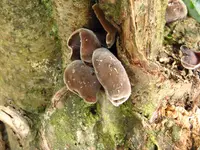
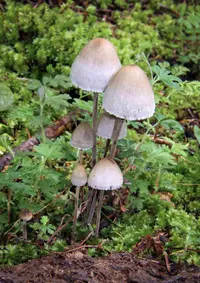
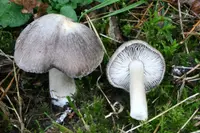
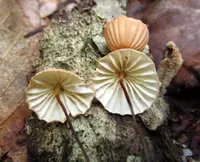
Orange pinwheel, Marasmius siccus, is a tiny saprobic mushroom that breaks down leaf litter on forest floors. It is not a houseplant but a wild woodland fungus. The fruiting bodies have bright orange caps, very thin stems, and a delicate, pinwheel-like shape that often appears in scattered groups on decaying leaves or twigs. It occurs widely in North America and other temperate regions, usually in mixed or deciduous woods. This species is small, short-lived, and dependent on natural forest humidity and organic debris, so it is not practical to cultivate indoors. Those interested in how to care for Orange Pinwheel mainly focus on conserving suitable woodland habitat rather than growing it in pots.

Main Plant Requirements

Care Difficulty

Hard Care

Light Preference

Shade

Water Requirements

Keep Soil Moist

Temperature Preference

Cool Climate

Hardiness Zone

Unknown

Soil Texture

Loamy, Organic-rich

Soil pH

Acidic (5.5–6.5)

Soil Drainage

Moist but well-drained

Fertilization

Minimal (feed rarely)

Get Personalized Care Plan

Scan your plant to receive care tips personalized for your specific plant

Available on iOS and Android

How to Care for the Orange Pinwheel

This woodland fungus prefers soft, filtered light rather than direct sun exposure.

  • Provide bright, dappled shade under trees or shrubs, with 1–3 hours of weak morning sun and no harsh afternoon sun to protect delicate Orange Pinwheel fruiting bodies.
  • Choose locations with broken canopy cover or consistent partial shade, as strong, direct sun can dry the substrate quickly and halt mushroom formation.
  • In summer, ensure leaf litter or understory vegetation screens intense light, while in cooler seasons slightly more open shade still keeps the substrate moist enough for development.

This litter-decay fungus depends on consistently moist, not saturated, leaf litter or woody debris.

  • Aim for evenly damp substrate; if the top 2–3 cm of leaf litter feel crispy and pale, conditions are too dry for dependable Marasmius siccus fruiting.
  • Avoid standing water and heavy, compacted soil, which slow gas exchange and can cause the fine mycelium to rot or disappear from the upper layers.
  • During hot, dry spells, increase ambient humidity or very light misting, while in cool, wet weather rely on natural rainfall and monitor for prolonged waterlogging.

This species fruits best in mild, temperate conditions with moderate humidity.

  • Target 60–75°F (16–24°C) for reliable fruiting, as temperatures in this range support active mycelial growth and stable moisture in the forest litter.
  • Below about 40°F (4°C), expect growth and fruiting to pause, though the mycelium often survives short cold spells in protected leaf layers.
  • Prolonged heat above 85°F (29°C) with dry air can desiccate the substrate, so shaded, mulched sites that buffer temperature swings help maintain suitable conditions.

This saprotrophic fungus handles a broad humidity range but fruits best in consistently moist air.

  • Target 60–90% humidity around the substrate to keep pins and caps from drying prematurely.
  • It tolerates brief dips to 40–50% if the substrate itself stays evenly moist, but fruiting density may drop.
  • Low humidity shows as shriveled, thin caps and stalled growth; use a perforated humidity tent or misted enclosure when caring for Orange Pinwheel.

For cultivation, provide a loose, well-aerated substrate that mimics decaying leaf litter rather than typical potting soil.

  • Use a mix of shredded hardwood leaves, fine bark, and a small portion of coco coir to hold moisture while staying airy.
  • Aim for slightly acidic to neutral conditions (pH 5.5–7.0), avoiding limed or strongly alkaline materials that can suppress fungal growth.
  • Ensure rapid drainage so the substrate stays moist but never waterlogged, which encourages competing molds and anaerobic bacteria.
  • Improve aeration by including 10–20% coarse material such as fine bark chips or perlite, avoiding dense peat-only or clay-based mixes.

This species is suitable for container growing only as a novelty culture rather than a long-term display organism.

  • Use a shallow, wide container to spread the leaf-litter substrate in a thin layer, which supports even colonization and fruiting.
  • Choose opaque or dark-sided containers to reduce light on the colonizing mycelium while keeping the fruiting surface exposed.
  • Drill extra side ventilation holes above substrate level to balance gas exchange with humidity retention in the fruiting zone.

Marasmius siccus is a saprophytic fungus that usually does not need added fertilizer when grown in suitable woody or leaf-litter substrates.

Pruning is not applicable for Marasmius siccus because it is a small, short-lived mushroom rather than a woody or leafy plant.

Orange Pinwheel is rarely grown in containers; cultivation focuses on maintaining suitable decaying wood or leaf-litter substrates rather than repotting.

  • Transplant only by moving colonized substrate, not by handling individual mushrooms, which are short-lived fruiting bodies.
  • Time any move for mild, moist weather so the fungal mycelium experiences less stress and recovers faster.
  • Keep the original substrate intact and place it onto similar fresh material to encourage continued colonization and fruiting.
  • Maintain consistent moisture in the new location so the mycelium does not dry out during establishment.

Propagation of Marasmius siccus for hobbyists is uncommon and technically demanding, so it is usually left to specialized growers.

Marasmius siccus is cold hardy in temperate climates and typically needs no special winter care, as the mycelium persists in leaf litter or decaying wood.

Care Tips

Leaf litter substrate

Maintain a thin, consistently refreshed layer of hardwood leaf litter over the substrate, since this species fruits best on slowly decomposing beech, oak, or maple leaves rather than on bare soil or bark chips.

Shallow tray method

Use a wide, shallow tray or container with 3–5 cm of well-drained forest-type substrate to maximize horizontal surface area for fruiting rather than trying to increase depth, which this fungus does not need.

Moisture tenting

Create a simple humidity tent with clear plastic supported above the substrate, leaving a few small side openings for air exchange, to keep caps from drying while still avoiding stagnant air.

Gentle mist discipline

Mist the air above the colony with a fine sprayer and avoid wetting the caps directly, as repeated surface wetting can deform the delicate fruiting bodies and encourage bacterial spotting.

Successive flush management

After each flush, carefully remove spent fruiting bodies and lightly fluff the top 0.5–1 cm of leaf litter to restore air spaces and encourage new primordia when growing Orange Pinwheel over several weeks.

Common Pests and Diseases

Fungivorous mites

These insects feed on fungal tissue and can graze the caps and gill surfaces of small mushrooms, leaving pitted or scarred areas and reducing spore production.

Solution

Collect and discard heavily infested fruiting bodies, keep the growing area clean of decaying debris, and avoid overly warm, stagnant air; in controlled culture, use fine insect mesh around the substrate and maintain moderate airflow to discourage mite buildup.

Springtails

These insects are small, jumping soil arthropods that can swarm around moist fungal substrates and occasionally nibble on young pinheads, causing malformed or aborted fruiting bodies.

Solution

Reduce excess surface moisture by improving drainage and ventilation, remove spent or decaying organic matter that attracts large populations, and, in indoor setups, use shallow sticky traps around the culture area to monitor and reduce numbers without disturbing the mushrooms.

Fungal gnats

These insects lay eggs in moist organic substrates, and the larvae may tunnel through developing mushroom stems, causing collapse or distorted growth.

Solution

Allow the top layer of substrate or surrounding leaf litter to dry slightly between heavy wetting, use yellow sticky cards to trap adult gnats, and screen vents or openings near indoor cultures to limit entry while maintaining adequate airflow.

Bacterial blotch

This disease creates greasy, water-soaked spots or streaks on caps, which may darken and limit the short display life of the fruiting bodies.

Solution

Avoid direct overhead watering on emerging fruiting bodies, water the substrate rather than the caps, increase air movement to dry surfaces more quickly, and promptly remove and discard affected mushrooms to prevent spread across dense clusters.

Competing molds

This disease occurs when fast-growing molds colonize the same substrate, forming colored patches that outcompete or suppress mushroom formation.

Solution

Use clean, well-aged but not moldy leaf litter or wood as substrate, avoid overwatering that keeps the substrate soggy for extended periods, and remove and discard any obviously moldy sections to reduce spore load and maintain suitable conditions for growing Orange Pinwheel.

Interesting Facts

Hair-thin orange stems

This species is known for its extremely slender, bright orange stipe (stem), often only about 0.5 mm thick, which contrasts sharply with its small pale orange cap and makes the fruiting bodies look almost thread-suspended above leaf litter.

Revives after drying

The fruiting bodies can dry out completely during dry weather and later rehydrate and resume normal appearance after rain, a trait mycologists call marcescence, which allows the fungus to persist without constantly producing new mushrooms.

Specialized leaf-litter decomposer

It grows mainly on well-rotted hardwood leaf litter, especially oak and beech, where its fine mycelium helps break down tough leaf tissues and return locked-up nutrients to forest soils.

Botan icon

Did you know?

Marasmius siccus has been used as a reference species in taxonomic and microscopic studies of the genus because its spores, gill structure, and distinctive orange stipe provide clear, consistent features that help mycologists compare and define related small, litter-inhabiting mushrooms.

FAQs about Orange Pinwheel

This tiny woodland mushroom is not suitable for typical indoor cultivation. It develops best outdoors in moist leaf litter or decaying twigs, where natural humidity, airflow, and microbial activity support its full life cycle.

Grow Healthy Plants with Botan Care

Keep your plants happy and healthy with plant identification, disease detection, and easy care guidance.

Botan plant care app — identify plants on mobile

Explore More Plants