Infundibulicybe trulliformis Care

Infundibulicybe trulliformis

About Infundibulicybe trulliformis

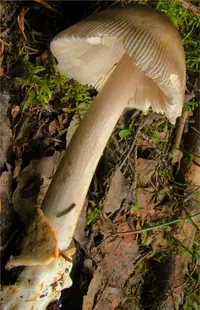
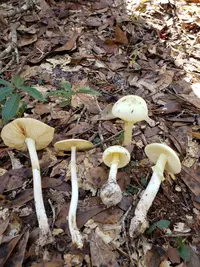
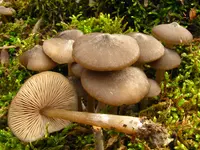
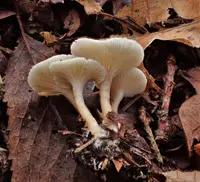
Infundibulicybe trulliformis is not a leafy plant but a small, funnel-shaped mushroom species. It forms slender stems topped with pale, often whitish to cream caps that become more deeply funnelled as they mature.

This fungus typically appears in grasslands, meadows, and sometimes open woodland in temperate regions, fruiting in groups or loose clusters. Its growth depends on suitable soil fungi communities and seasonal moisture, which makes it difficult to manage like a usual garden plant.

In general, it prefers undisturbed, moderately moist soils and natural light conditions similar to open fields. For those who want to understand how to care for Infundibulicybe trulliformis, it is best viewed as a wild, habitat-dependent species rather than a conventional cultivated crop.

Main Plant Requirements

Care Difficulty

Moderate Care

Light Preference

Partial Shade

Water Requirements

Moderate Water

Temperature Preference

Cool Climate

Hardiness Zone

Unknown

Soil Texture

Loamy, Organic-rich

Soil pH

Slightly acidic (6.5–7.0)

Soil Drainage

Moist but well-drained

Fertilization

Minimal (feed rarely)

Get Personalized Care Plan

Scan your plant to receive care tips personalized for your specific plant

Available on iOS and Android

How to Care for the Infundibulicybe trulliformis

This woodland fungus prefers gentle, indirect light similar to dappled forest shade.

  • Provide bright, filtered light or light shade, such as beneath deciduous trees, with about 2–4 hours of soft morning sun and no harsh afternoon sun.
  • Infundibulicybe trulliformis fruits best where the canopy breaks allow scattered light; deep, continuous shade often reduces fruiting bodies.
  • Avoid strong, direct midday sun, which can dry the substrate quickly and desiccate caps; add leaf litter or groundcover to buffer sudden light and heat exposure.

Moist but not waterlogged soil is essential for consistent fruiting of this woodland mushroom.

  • Aim for evenly moist top 5–8 cm of soil or leaf litter; it should feel damp but not squishy when pressed between fingers.
  • Increase moisture during dry spells with gentle soaking, then allow excess water to drain away; standing water or anaerobic, sour-smelling soil suggests overwatering.
  • If caps appear small, dry, or crack at the edges, the substrate is likely too dry; foul odors, slimy mycelium, or moldy patches point to excessive moisture.

This species favors cool to mild conditions similar to a temperate forest floor.

  • Optimal fruiting typically occurs around 50–64°F (10–18°C), with steady moisture and moderate shade enhancing mycelial activity.
  • The mycelium can often tolerate down to about 32°F (0°C) in the soil, but hard, repeated freezes without insulating leaf litter can reduce fruiting.
  • Sustained heat above 77–82°F (25–28°C) tends to slow growth and dry the substrate, so provide extra shade and moisture during hot, dry periods.

Humidity is not a meaningful cultivation lever for Infundibulicybe trulliformis, which grows outdoors in natural woodland air conditions.

This woodland mushroom depends on consistently moist, well-aerated substrate rather than conventional potting soil.

  • Use a loose mix of leaf litter, well-rotted wood chips, and composted organic matter to mimic humus-rich forest floor conditions.
  • Ensure the substrate drains freely but never dries completely; excess standing water encourages anaerobic conditions that damage the fungal mycelium.
  • Aim for slightly acidic to neutral conditions (pH 5.5–7.0), incorporating leaf mold or pine needle compost to adjust alkaline sites.
  • Improve aeration by layering coarse wood chips or shredded bark beneath finer organic material, creating vertical channels for air and water movement.

This species is generally not suitable for long-term container cultivation, as it relies on complex woodland soil and root associations that are difficult to replicate in pots.

This wild, saprotrophic fungus gains nutrients from decaying organic matter and usually does not benefit from added fertilizer in gardens or containers.

As a mushroom-forming fungus, Infundibulicybe trulliformis is not managed through pruning in the way vascular plants are.

This species is not suited to typical container culture, so focus on maintaining suitable habitat rather than repotting.

  • Avoid lifting or disturbing fruiting bodies; they are only the reproductive structures and will naturally decompose after spore release.
  • If relocation is attempted, move colonized substrate, such as leaf litter or soil, rather than individual mushrooms.
  • Transplant during cool, moist weather to reduce desiccation stress on the underlying mycelium network.
  • Keep the moved substrate evenly moist afterward, mimicking the original woodland or grassland conditions.

Propagation of this wild fungus is generally left to natural spore dispersal and is not a routine garden practice.

This temperate fungus is naturally cold hardy and typically needs no dedicated winter care in outdoor settings.

Care Tips

Rotate substrate patches

When cultivating this woodland fungus on outdoor woodchip or leaf-litter beds, stagger several small patches 30–50 cm apart so you can rotate harvesting areas and allow previously picked spots to recover and re-colonize undisturbed.

Maintain leaf-litter cover

Top up the bed each autumn with a thin layer of mixed hardwood leaves or fine woodchips to mimic a natural forest floor, but keep the layer loose so air can move through and the mycelium does not suffocate.

Avoid heavy soil compaction

Limit foot traffic and equipment use directly over colonized areas, since compacted soil and litter reduce oxygen around the mycelium and can significantly reduce fruiting over time.

Use indicator mushrooms

Monitor the same bed for other saprobic mushrooms that prefer similar conditions; a sudden decline in all fruiting bodies often signals that the substrate is exhausted and the bed needs refreshing or partially rebuilt.

Refresh aging beds

Every 2–3 years, carefully lift and remix the top 3–5 cm of the litter and woodchip layer with some fresh, undecayed material at the edges of the colony, which can extend the productive life of a patch when growing Infundibulicybe trulliformis in a managed setting.

Common Pests and Diseases

Fungal parasitism

This disease refers to infection of the mushroom fruiting bodies by other parasitic fungi, which can cause deformation, discoloration, or premature decay. Symptoms include abnormal growth, patches of different-colored mycelium, or rapid collapse of caps.

Solution

Remove and discard any distorted or discolored mushrooms as soon as they are noticed, and avoid handling healthy fruiting bodies after touching infected ones. Improving airflow, avoiding excessive surface moisture, and rotating the fruiting area or substrate between flushes reduce cross‑infection when growing Infundibulicybe trulliformis in controlled conditions.

Bacterial blotch

This disease causes greasy, water-soaked spots or blotches on caps and stems, often turning brown and soft, especially under very damp conditions. Symptoms include slimy lesions and a sour smell as tissue breaks down.

Solution

Reduce overhead misting, increase fresh air exchange, and avoid water standing on caps to limit further spread. Remove affected mushrooms immediately and sanitize tools and trays between harvests to reduce bacterial load on the growing surface.

Sciarid flies

These insects, also called fungus gnats, lay eggs in moist substrate, and their larvae feed on mycelium and developing primordia, leading to poor or patchy fruiting. This pest can also carry competing fungi and bacteria into the crop.

Solution

Use fine mesh screens and sticky traps to reduce adult fly numbers, and keep substrate surfaces as clean and free of debris as possible. In controlled production, apply a biological control such as Bacillus thuringiensis israelensis (BTi) or entomopathogenic nematodes to the substrate according to label directions to target larvae while maintaining food safety.

Mite infestation

These pests include several small, often pale mites that feed on mycelium and young mushroom tissue, causing pitting, scarring, and reduced yield. Symptoms include tiny moving specks on caps or substrate and a roughened or chewed appearance on fruiting bodies.

Solution

Discard heavily infested blocks or beds and clean the growing area thoroughly, including shelves and tools, to remove residual mites and eggs. In enclosed setups, reduce clutter, maintain lower humidity between flushes, and consider introducing predatory mites from reputable suppliers to suppress problem populations without chemical residues.

Green mold (Trichoderma)

This disease is caused by competitive green molds that colonize substrate or casing, overgrowing the target mycelium and sharply reducing or stopping mushroom formation. Symptoms include white growth that quickly turns bright green, often with a strong earthy odor and dead or stunted mycelium nearby.

Solution

Immediately remove and dispose of any strongly green-contaminated substrate to prevent spore spread, and clean surrounding surfaces with a suitable disinfectant. For future cycles, improve substrate pasteurization or sterilization, reduce airborne dust, and avoid introducing unpasteurized organic material into fruiting areas to keep Trichoderma pressure low.

Interesting Facts

Funnel-shaped cap development

Young fruiting bodies start with more convex caps that become distinctly funnel-shaped with age, often with a slightly darker, sometimes almost translucent center compared with the paler margin.

Preference for calcareous soils

This species is strongly associated with calcareous, or lime-rich, soils and is most often recorded in grasslands, woodland clearings, or scrub growing over chalk or limestone substrates.

Late-season fruiting pattern

It typically fruits in late autumn to early winter in Europe, often appearing after many other grassland fungi have finished, which makes identification and recording easier for field mycologists.

FAQs about Infundibulicybe trulliformis

This species is generally regarded as inedible or at least not recommended for consumption. Identification within this group is difficult, and confusion with toxic look-alikes is possible, so foragers should avoid eating it.

Grow Healthy Plants with Botan Care

Keep your plants happy and healthy with plant identification, disease detection, and easy care guidance.

Botan plant care app — identify plants on mobile

Explore More Plants