Inocutis rheades Care

Inocutis rheades

About Inocutis rheades

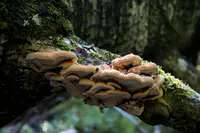
Inocutis rheades is a perennial bracket fungus rather than a typical leafy plant. It forms thick, corky, semicircular shelves on dead or dying poplar and related trees. The upper surface is usually dull brown and rough, while the underside is pore-covered, where spores are released. It grows slowly and can persist for many years on the same trunk. In nature, it occurs mainly in temperate regions of Europe and parts of Asia, where it helps decompose hardwood. Because it is a wood-decay fungus with specific host needs, it is not commonly grown in gardens, and attempts to care for Inocutis rheades focus on providing suitable dead wood and stable outdoor conditions.

Main Plant Requirements

Care Difficulty

Moderate Care

Light Preference

Partial Shade

Water Requirements

Moderate Water

Temperature Preference

Cool Climate

Hardiness Zone

Unknown

Soil Texture

Loamy, Organic-rich

Soil pH

Slightly acidic (6.5–7.0)

Soil Drainage

Moist but well-drained

Fertilization

Minimal (feed rarely)

Get Personalized Care Plan

Scan your plant to receive care tips personalized for your specific plant

Available on iOS and Android

How to Care for the Inocutis rheades

This wood-decay fungus prefers stable, shaded forest conditions rather than direct, open sun exposure.

  • Provide dappled shade or full shade with indirect light, roughly comparable to 1–3 hours of weak, filtered sun through a canopy, avoiding direct midday sun on host logs or trunks.
  • Inocutis rheades fruiting bodies develop best on aspen or poplar in moist woodland shade; intense afternoon sun can dry and crack tissues, reducing longevity.
  • In managed landscapes, position host wood on the north or east side of trees or structures, where seasonal light stays diffuse and the substrate surface does not heat or bleach excessively.

Moisture management focuses on keeping the host wood and surrounding habitat consistently damp, not saturated.

  • Ensure the substrate log or trunk remains in contact with moist soil or litter; surface should feel cool and slightly damp but not slimy or waterlogged.
  • Inocutis rheades tolerates naturally fluctuating rainfall, but prolonged drought dries the wood and slows fungal activity; mulched leaf litter helps retain moisture around the base.
  • Watch for algae or foul odor on the wood as signs of chronic waterlogging, and improve drainage by slightly elevating the log or choosing a better-aerated site.

This species is adapted to cool to mild temperate climates with pronounced seasonal change.

  • Optimal activity generally occurs around 50–70°F (10–21°C), common in spring and autumn in temperate woodlands, when wood moisture is high and temperature stress is low.
  • The fungus tolerates winter cold below 32°F (0°C) within the host wood, but repeated freeze–thaw on exposed fruiting bodies can shorten their lifespan.
  • Sustained heat above 80–85°F (27–29°C), especially with dry air and sun exposure, can desiccate the substrate; shaded, humid microsites buffer temperature swings and protect the fruiting layer.

Humidity is not a significant factor for Inocutis rheades, which naturally develops on dead or decaying wood in outdoor conditions.

This wood-decay fungus does not use conventional soil and instead colonizes dead or dying hardwood, mainly as a bracket on trunks or logs.

  • Select solid, untreated hardwood logs rather than any soil-based medium, as the fungus relies on lignin- and cellulose-rich wood for nutrition.
  • Keep the wood consistently moist but not submerged, using periodic watering or natural rainfall to maintain internal moisture while avoiding standing water around the base.
  • Place inoculated logs where air can move freely around them, preventing waterlogging and limiting competing molds on the wood surface.
  • Avoid compacted ground contact and saturated sites; slight elevation on bricks or gravel allows drainage around the log and slows decay of the supporting surface.

This species is not suitable for container growing, as it requires colonization of substantial pieces of dead wood rather than a conventional potting environment.

This wood-decaying bracket fungus typically grows on host trees and does not benefit from conventional fertilization.

As a perennial bracket fungus, Inocutis rheades does not require horticultural pruning in the usual sense.

This species naturally colonizes living or dead trees and is not suited to conventional container culture or garden transplanting.

  • Transplanting from the wild usually fails, as the fungus is integrated into the host tree’s internal wood and root system.
  • Cultivation efforts focus on conserving or managing host trees rather than moving the fungus itself.
  • If research cultivation is attempted, maintain stable moisture and wood substrate conditions to reduce stress on the mycelium.
  • Any movement of infected wood should follow local regulations to avoid spreading tree pathogens.

In natural settings, this fungus spreads primarily through spores and internal mycelial growth within host trees, not through standard garden propagation methods.

This temperate wood-inhabiting fungus is naturally cold hardy and needs no specific winter care in outdoor habitats.

Care Tips

Choose host species

Establish this wood-decay fungus on appropriately susceptible hosts such as aspen or poplar logs, since host tree choice strongly affects colonization success and long-term fruiting.

Use fresh-cut logs

Inoculate recently felled, sound hardwood with minimal existing fungal colonization to reduce competition and give the mycelium a better chance to occupy the wood.

Protect from desiccation

After inoculation, keep logs in a shaded, wind-sheltered spot and, in dry periods, hose the bark surface lightly so the wood core does not dry out faster than the fungus can spread.

Stacking for airflow

Stack logs on spacers or pallets rather than directly on soil to maintain aeration, reduce waterlogging, and limit contact with competing soil fungi while still allowing moisture exchange.

Monitor decay progression

Inspect the wood annually for changes in texture and color, recording when fruiting bodies appear and when structural strength declines, so interventions such as removal or replacement can be timed safely when caring for Inocutis rheades in managed landscapes.

Common Pests and Diseases

Wood-decay fungi

This disease involves colonization by other wood-rotting fungi that compete with or overtake the existing conk. Symptoms include changes in texture, atypical discoloration, or distorted growth of the fruiting body.

Solution

Remove and discard any obviously overgrown, moldy, or structurally collapsing conks, and avoid reusing that material for cultivation. Improve air circulation and reduce prolonged wetting of the fruiting bodies to limit secondary fungal colonization, and source replacement material from healthy, firm specimens only when trying to grow Inocutis rheades intentionally on logs or display pieces.

Wood-boring beetles

These insects tunnel into the woody substrate and sometimes into older conks, leaving exit holes and fine frass (wood dust). This pest can accelerate decay of host logs and destabilize attached fruiting bodies.

Solution

Cut out and dispose of heavily infested sections of wood and any loose, crumbling conks. Store decorative host logs in a dry, well-ventilated area off soil, and if infestation persists, replace the colonized wood with sound, beetle-free material and monitor regularly for new boring holes.

Slugs and snails

These pests feed on the softer margins or undersides of young fruiting bodies, causing ragged edges, pits, and slime trails. Damage is usually cosmetic but can open tissue to secondary infection.

Solution

Hand-pick slugs and snails during damp periods, and reduce hiding spots by clearing debris around cultivated logs or display pieces. Physical barriers such as copper tape or rough, dry mulch rings can limit access, and damaged tissue should be trimmed away if it begins to rot or mold.

Interesting Facts

Poplar-specialist fungus

This wood-decay fungus occurs almost exclusively on dead or dying aspen and poplar species, especially Populus tremula, rather than on a wide range of hardwoods like many other bracket fungi.

Brown-rot wood decay

It causes a brown rot, meaning it primarily breaks down cellulose and hemicellulose in the wood while leaving modified lignin behind, which results in brown, crumbly, cube-like wood fragments.

Thick corky fruitbodies

The perennial fruitbodies form thick, cork-like, yellow-brown to rust-brown cushions that often sink slightly into the bark, which helps distinguish it from many hard, hoof-shaped polypores.

FAQs about Inocutis rheades

This bracket fungus is not considered edible. The fruiting body is woody, tough, and lacks culinary value. Field identification of polypore fungi can be difficult, so it is safest to avoid consumption entirely.

Grow Healthy Plants with Botan Care

Keep your plants happy and healthy with plant identification, disease detection, and easy care guidance.

Botan plant care app — identify plants on mobile

Explore More Plants