bulbous fibrecap Care (Inocybe napipes)

bulbous fibrecap

About bulbous fibrecap

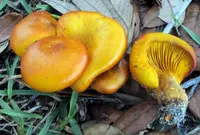
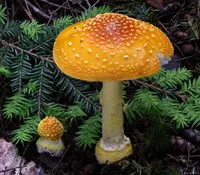
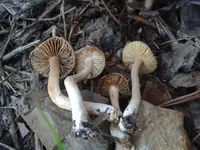
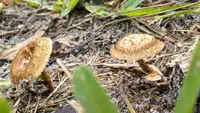
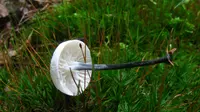
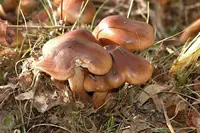
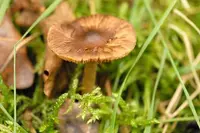
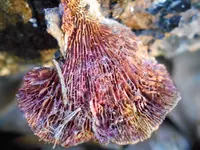
The bulbous fibrecap, Inocybe napipes, is a small woodland mushroom rather than a traditional houseplant. It typically forms tan to brown conical caps with a fibrous, sometimes cracked surface and a slightly swollen, bulb-like stem base. The fruiting bodies usually appear scattered or in small groups on soil rich in leaf litter.

This species is native to temperate regions of Europe and North America, where it associates with trees in mycorrhizal partnerships, exchanging nutrients with their roots. It is not suited to regular indoor cultivation, and attempts to care for bulbous fibrecap like a potted plant are unlikely to succeed.

In nature it prefers undisturbed, moist, well-drained forest soils with moderate shade and stable humidity, conditions that are difficult to reproduce in typical home settings.

Main Plant Requirements

Care Difficulty

Moderate Care

Light Preference

Partial Shade

Water Requirements

Moderate Water

Temperature Preference

Cool Climate

Hardiness Zone

Unknown

Soil Texture

Loamy, Sandy, Organic-rich

Soil pH

Slightly acidic (6.5–7.0)

Soil Drainage

Moist but well-drained

Fertilization

Minimal (feed rarely)

Get Personalized Care Plan

Scan your plant to receive care tips personalized for your specific plant

Available on iOS and Android

How to Care for the bulbous fibrecap

This ectomycorrhizal fungus prefers low to moderate forest light rather than direct open sun.

  • Inocybe napipes fruiting bodies develop best in dappled or filtered light under trees, with only 1–3 hours of weak direct morning sun and no harsh afternoon sun.
  • Choose shaded woodland edges, north or east sides of trees, or spots where leaf canopy reduces light intensity through most of the day.
  • Excessive direct sun dries the upper soil layer and mycelium, while deep, permanent shade under dense conifers can reduce fruiting of bulbous fibrecap.

This woodland fungus depends on consistently moist but not waterlogged soil around its tree partners.

  • Allow the top 1–3 cm of forest soil or mulch to begin drying slightly between natural rains, but avoid letting it become powder-dry or cracked.
  • Support the host trees with gentle, deep irrigation during prolonged drought, keeping soil moist to a depth of 5–10 cm while ensuring excess water drains away.
  • Signs of excess moisture include sour, anaerobic-smelling soil and standing water, while prolonged dryness shows as very loose, pale surface litter and reduced fruiting of Inocybe napipes.

This species is adapted to cool to mild temperate conditions typical of shaded woodland floors.

  • Optimal mycelial activity and fruiting usually occur around 50–68°F (10–20°C), often in cool, moist spring or autumn weather rather than high summer heat.
  • Short exposures down to about 28–32°F (-2–0°C) are tolerated, but hard, repeated frosts or frozen soil layers can suppress fruiting until conditions warm and thaw.
  • Sustained temperatures above 77–82°F (25–28°C), especially with dry air and soil, stress the fungus, so canopy shade and organic mulch help buffer against heat extremes.

This mushroom does not require managed humidity in typical outdoor conditions and is not suited to indoor cultivation.

Inocybe napipes grows as a mycorrhizal fungus, relying on natural forest soils rather than prepared mixes.

  • Prefers loose, well-drained, humus-rich forest soil with abundant leaf litter and decomposing organic matter.
  • Thrives in slightly acidic to neutral conditions, roughly pH 5.5–7.0, often under compatible host trees such as birch or pine.
  • Avoid compacted, waterlogged, or heavily disturbed ground, which reduces aeration and limits fine root and fungal development.
  • Do not amend with high-salt fertilizers; rely on natural organic inputs like fallen leaves and woody debris to maintain structure.

This species is not suitable for container growing, as it depends on complex mycorrhizal associations with living trees in undisturbed soil.

Inocybe napipes is a wild mycorrhizal fungus that normally receives nutrients via host tree roots and generally does not benefit from added fertilizer.

Pruning is not applicable to Inocybe napipes, as it is a small woodland fungus rather than a garden plant or woody shrub.

This species is not suitable for normal repotting or transplanting, since Inocybe napipes depends on living tree roots and complex soil fungi networks.

  • Transplant only for scientific or conservation work, not for ornamental culture.
  • If moved, transfer a generous plug of native soil including fine tree roots to reduce stress.
  • Carry out any relocation during the tree’s dormant season to minimize disturbance.
  • Keep the soil plug shaded, evenly moist, and undisturbed after moving to support fungal recovery.

Propagation of Inocybe napipes is specialized and rarely attempted outside research or conservation contexts.

Winter care is not required for this cold-hardy woodland fungus, which naturally persists in soil and organic litter through freezing conditions.

Care Tips

Use local strains

Source spawn or cultures collected from similar local woodland conditions, since regionally adapted strains usually establish more reliably and fruit more consistently than distant or generic stock.

Microhabitat mimicking

When choosing a planting site, match the natural microhabitat by tucking host tree roots under a thin, undisturbed litter layer of mixed hardwood leaves to encourage stable mycorrhizal formation.

Minimal soil disturbance

After inoculating near host roots, avoid raking, digging, or compacting the area so the fine fungal mycelium and tree root tips can connect and expand without mechanical damage.

Leaf-litter renewal

Top up the area each autumn with a light layer (1–3 cm) of clean deciduous leaf litter from healthy trees to maintain the cool, humus-rich surface conditions preferred by this fungus.

Targeted monitoring

Mark inoculated spots discreetly and monitor them at the same times each year after rain events so you can assess establishment and adjust long-term expectations when growing bulbous fibrecap.

Common Pests and Diseases

Fungivorous springtails

These insects feed on fungal tissue, including developing fruiting bodies and mycelium in very damp substrates. Symptoms include pitted, chewed margins on young caps and dense swarms of tiny jumping insects in the growth container or tray.

Solution

Reduce constant surface wetness by allowing the top layer of substrate to dry slightly between misting, and improve ventilation so humidity stays stable but not stagnant. Manually remove heavily infested material, use sticky traps near vents or openings, and, if needed, apply a targeted biological control such as a Beauveria-based product that is labeled as safe around cultivated fungi.

Sciarid fungus gnats

These insects lay eggs in moist fungal substrates, and the larvae feed on mycelium and primordia, leading to deformed or aborted fruiting bodies. Symptoms include small flying gnats around the culture, thinning mycelium, and collapsed pins at the surface.

Solution

Cover air inlets with fine mesh, reduce overly wet surface conditions, and bottom-water or mist carefully to avoid soggy patches. Use yellow sticky traps to catch adults and, if the problem is persistent, introduce beneficial nematodes (Steinernema spp.) into the substrate to target larvae without harming the fungal culture.

Green Trichoderma mold

This disease is caused by Trichoderma species that rapidly colonize nutrient-rich substrates and outcompete the target fungus, forming dense white growth that quickly turns bright green. Symptoms include patches of fast-growing, fluffy white mold that develop a green spore layer and a strong earthy or sour odor, with suppression of Inocybe napipes fruiting.

Solution

Immediately remove and discard heavily contaminated trays or sections to prevent spore spread, and clean the growing area and tools with a 10% bleach or 70% isopropyl alcohol solution. For future cycles, improve sterilization or pasteurization of substrate, maintain good airflow, and avoid overwatering or handling the substrate with non-sterile tools.

Bacterial blotch

This disease presents as wet, greasy, or slimy spots on caps and stipes, often yellowish or brown, caused by opportunistic bacteria thriving on constantly wet surfaces. Symptoms include localized softening of tissue, off-odors, and rapid collapse of affected fruiting bodies under high humidity and poor air exchange.

Solution

Improve air exchange and reduce continuous surface condensation by adjusting humidity cycles and providing gentle airflow. Remove and discard affected fruiting bodies promptly, sanitize trays and tools, and avoid overhead misting directly on caps so surfaces can dry lightly between humidity pulses.

Mite infestations

These pests, often fungus-loving mites, feed on mycelium and developing caps, leaving silvery, roughened or speckled areas on stems and caps and causing slow or uneven growth. Symptoms include fine crawling dots on the substrate or mushrooms and reduced vigor or aborted primordia.

Solution

Isolate infested cultures, discard heavily affected trays, and clean the growing space thoroughly, including shelving and nearby surfaces. For ongoing production, use mite-proof filters on air inlets, maintain good hygiene, and consider introducing predatory mites (such as Hypoaspis miles) that target fungus-associated mites without damaging the fungal crop; these methods support practical Inocybe napipes care in controlled environments.

Interesting Facts

Distinctive bulbous stem base

This species develops a noticeably swollen, turnip-like bulb at the base of the stem, which helps distinguish it from many other fibrecap mushrooms during field identification.

Strong earthlike odor

Mature fruitbodies emit a pronounced earthy to spermatic odor, a sensory trait mycologists often use to confirm identification together with microscopic characters.

Microscopic spore features

Its spores are smooth to very finely roughened and bean-shaped to slightly angular, and these subtle spore features under a microscope are important for separating it from closely related Inocybe species.

FAQs about bulbous fibrecap

This mushroom is considered poisonous and should never be eaten. It contains muscarine and related toxins that can cause sweating, salivation, vomiting, diarrhea, and potentially life‑threatening cardiac and respiratory symptoms. Always treat it as inedible and dangerous.

Grow Healthy Plants with Botan Care

Keep your plants happy and healthy with plant identification, disease detection, and easy care guidance.

Botan plant care app — identify plants on mobile

Explore More Plants