Inocybe austrofibrillosa Care

Inocybe austrofibrillosa

About Inocybe austrofibrillosa

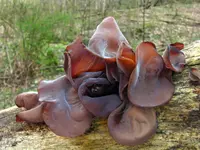
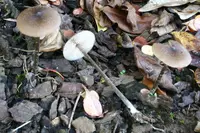
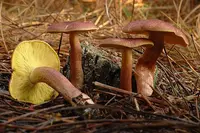
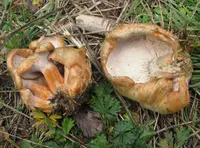
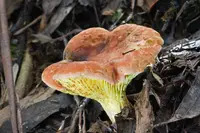
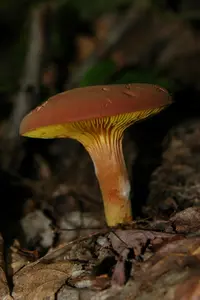
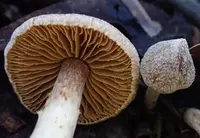
Inocybe austrofibrillosa is a small, gilled mushroom rather than a typical leafy plant. It belongs to a complex genus often associated with forest ecosystems. Caps are usually conical to bell-shaped with fibrous or silky surfaces, and the colors tend to be brownish or tan, helping it blend into leaf litter.

This species is thought to form mycorrhiza, a mutual partnership with tree roots, and is usually found in woodland habitats. Identification is difficult, and the species is not recommended for casual foraging. Because it is a wild fungus with specific ecological needs, it is not a practical choice for home cultivation, and attempts to care for Inocybe austrofibrillosa are generally limited to scientific or conservation settings.

Main Plant Requirements

Care Difficulty

Hard Care

Light Preference

Partial Shade

Water Requirements

Moderate Water

Temperature Preference

Warm Climate

Hardiness Zone

Unknown

Soil Texture

Loamy, Sandy, Organic-rich

Soil pH

Acidic (5.5–6.5)

Soil Drainage

Well-drained

Fertilization

Minimal (feed rarely)

Get Personalized Care Plan

Scan your plant to receive care tips personalized for your specific plant

Available on iOS and Android

How to Care for the Inocybe austrofibrillosa

This mycorrhizal woodland fungus prefers cool, shaded forest conditions rather than direct sun.

  • Provide dappled or filtered light under trees, simulating a forest canopy, with no more than 1–2 hours of weak morning sun and no direct afternoon sun.
  • Site in partial to full shade where the ground surface remains visually moist and leaf-littered; strong sun exposure dries the substrate too quickly and may inhibit fruiting.
  • In summer, prioritize deeper shade and thicker leaf litter; in cooler seasons, brief indirect light is acceptable as long as the substrate does not bake or crack.

Moist but not waterlogged soil is essential, as this fungus forms underground associations with tree roots.

  • Aim for consistently moist forest-floor conditions; the upper 1–2 cm of soil or leaf litter should feel slightly damp, never dry and powdery.
  • Avoid standing water and heavy compaction; well-drained, humus-rich soil that drains within a few hours after rain supports healthy mycelial growth.
  • Overly dry sites show shrinking, cracked soil and brittle leaf litter, while overwatering produces stagnant, sour-smelling patches that can reduce oxygen around the roots.

This species favors mild, temperate conditions and is sensitive to both hard frost and intense heat.

  • Optimal fruiting typically occurs around 50–68°F (10–20°C), common in cool, moist spring or autumn periods in temperate forests.
  • The mycelium may survive brief drops near 28–32°F (-2–0°C) if insulated by leaf litter, but repeated hard freezes without cover can reduce activity.
  • Prolonged heat above 82–86°F (28–30°C), especially with dry soil, can slow or stop visible fruiting, so shaded, mulched sites help buffer temperature swings.

This ectomycorrhizal fungus relies on consistently moist air and substrate rather than household-style humidity control.

  • Target 60–90% ambient humidity in shaded outdoor forest-like sites where air stays moist but not stagnant.
  • Tolerates brief dips to 40–50% if the substrate remains evenly damp, but prolonged dry air quickly desiccates fruiting bodies.
  • Humidity stress shows as shriveling caps and cracked surfaces; increase moisture by mulching and lightly misting the surrounding ground, not the mushrooms directly.

This species develops on naturally formed forest soils, so soil preparation focuses on structure, drainage, and organic content rather than potting mixes.

  • Use a loose, well-drained, organic-rich mineral soil, such as sandy loam with abundant leaf litter or decomposed wood fragments.
  • Aim for slightly acidic conditions around pH 5.0–6.5, typical of coniferous or mixed woodland floors.
  • Improve aeration and drainage by incorporating coarse sand, fine bark, and leaf mold rather than peat-heavy, compacting materials.
  • Avoid waterlogged, highly compacted, or strongly alkaline soils, since these hinder mycorrhiza formation and can prevent fruiting of Inocybe austrofibrillosa.

This species is generally unsuitable for long-term container culture because it relies on complex ectomycorrhizal relationships with host tree roots in undisturbed ground.

This mycorrhizal fungus associates with tree roots and generally should not be fertilized directly in cultivation.

Pruning is not relevant for Inocybe austrofibrillosa, as it is a wild, short‑lived mushroom rather than a woody or leafy plant.

Transplanting focuses on the host tree or soil habitat rather than the fungus itself, which dislikes disturbance.

  • Avoid moving soil or leaf litter once fruiting bodies appear, as disturbance can damage the underlying mycelium network.
  • If relocating a host tree in a container, shift it gently during cool weather and keep the original rootball soil intact.
  • Use a similar, low‑fertility, well‑drained substrate to mimic the original forest or woodland conditions.
  • Water lightly after any move to settle soil without waterlogging, then allow normal drying cycles for the host.

Intentional propagation of this ectomycorrhizal mushroom is technically difficult and rarely attempted outside research contexts.

No specific winter care is usually required because the underground mycelium tolerates normal seasonal cold in its native range.

Care Tips

Safe handling protocol

Wear disposable gloves and avoid inhaling spores when inspecting or handling this toxic fungus, and clean tools with 70% isopropyl alcohol afterward to reduce accidental contamination of edible beds or tools used on other crops.

Host tree awareness

Record the exact tree species and location where fruiting bodies appear, because this mycorrhizal fungus depends on specific host roots and this information helps predict future fruiting and avoid disturbing the symbiotic zone.

Minimal disturbance zone

Mark a 30–50 cm radius around recurring fruiting spots and avoid deep digging, raking, or soil amendment there, since root and mycelium disturbance can abruptly change fruiting patterns or redirect growth to new, less convenient locations.

Targeted fruiting observation

Note soil moisture and recent weather (rainfall, temperature swings, wind exposure) each time mushrooms appear, then use these records to anticipate periods when children or pets should be kept away from the area due to higher fruiting risk when caring for Inocybe austrofibrillosa.

Prompt fruitbody removal

Carefully remove and bag mushrooms as soon as they appear, including any small or deformed caps, and dispose of them with household trash rather than compost to limit spore spread in managed landscapes or near edible plantings.

Common Pests and Diseases

Mycophagous insects

These insects, such as fungus gnats and springtails, feed on fruiting bodies and mycelium, especially in moist, organic-rich sites where this ectomycorrhizal fungus occurs. Symptoms include damaged or partially eaten caps and stems, and sometimes a decline in fruiting density in heavily infested patches.

Solution

Reduce excessive surface moisture in cultivation trays or observation setups, improve drainage, and remove heavily damaged fruiting bodies. If needed, use yellow sticky traps for adult fungus gnats and adjust watering or misting schedules as part of broader Inocybe austrofibrillosa care instructions to keep conditions moist but not waterlogged.

Mite colonization

This pest includes small soil and mushroom-associated mites that graze on gills and cap tissue, sometimes creating a dusty or pitted appearance on the fruiting bodies. Symptoms include tiny moving dots on the cap or stem and sporulation surfaces that look scraped or eroded.

Solution

Discard heavily infested fruiting material and avoid reusing the same substrate without heat treatment or thorough composting. In controlled setups, lower overcrowding of organic debris, keep tools and containers clean, and maintain moderate humidity with good air movement to discourage mite build-up.

Bacterial blotch

This disease is caused by opportunistic bacteria that take advantage of prolonged surface wetness on caps and stems. Symptoms include slippery, greasy, or discolored patches on the mushroom surface that may turn yellow-brown and soften.

Solution

Limit overhead misting that leaves standing water on the fruiting bodies, and instead maintain humidity through environmental control. Remove and discard affected mushrooms promptly and increase air circulation so surfaces dry quickly between humidity cycles.

Saprobic competitor fungi

This problem involves fast-growing saprobic fungi that colonize the same soil or substrate, competing with the mycorrhizal mycelium for space and resources. Symptoms include dense patches of different-colored mycelium or foreign fruiting bodies crowding the intended host-associated fungus.

Solution

Use clean, minimally disturbed soil or substrate sourced from healthy host tree habitats, and avoid adding rich composts or unsterilized woodchips that favor competitors. In any semi-controlled culture or research setting, start with host tree seedlings and substrate that have been pasteurized or carefully selected, and promptly remove obvious foreign fruiting bodies.

Interesting Facts

Australian type locality

The species was originally described from southeastern Australia, where it was collected in association with native eucalypt woodland and later confirmed as distinct based on both morphology and DNA sequence data.

Distinctive fibrillose cap

It is characterized by a dry, fibrillose to finely scaly cap surface with a pale to yellow-brown coloration, helping separate it from closely related Inocybe species that have smoother or more viscid caps.

Microscopic diagnostic features

Identification relies heavily on microscopy: it has smooth, somewhat elongated basidiospores and distinctive thick-walled, often nodulose cystidia (specialized sterile cells), which together form a key combination for separating it from other southern hemisphere taxa.

FAQs about Inocybe austrofibrillosa

This fungus is considered highly poisonous and should never be eaten. It contains muscarine-type toxins that can cause sweating, salivation, vomiting, diarrhea, breathing difficulty, and in severe cases, life-threatening complications. Always seek urgent medical or veterinary help after ingestion.

Grow Healthy Plants with Botan Care

Keep your plants happy and healthy with plant identification, disease detection, and easy care guidance.

Botan plant care app — identify plants on mobile

Explore More Plants